Will $100 Oil Spark a Bitcoin Crash? Unpacking the Macro Connection
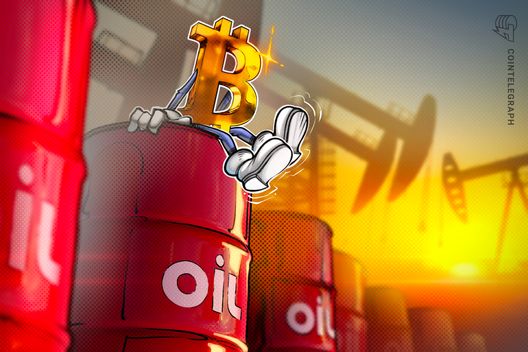
The Looming Question: Oil's Ascent and Bitcoin's Future
The global economic landscape is a tapestry woven with interconnected threads, and few are as influential as crude oil. As geopolitical tensions simmer and supply chain pressures persist, the specter of oil prices soaring to $100 per barrel, or even higher, has returned. For traditional markets, this typically signals inflationary headwinds and potential economic slowdowns. But what does it mean for the relatively nascent, yet increasingly significant, cryptocurrency market, specifically Bitcoin?
Crypto traders and investors are constantly seeking to understand the macro factors that could influence digital asset prices. The question isn't just about a direct correlation, but rather the cascading effects that a significant shift in a foundational commodity like oil could have on investor sentiment, central bank policies, and ultimately, the liquidity flowing into risk assets like Bitcoin.
Understanding the Macro Backdrop: Why Oil Matters
Oil is often dubbed the 'lifeblood' of the global economy. Its price impacts everything from transportation costs and manufacturing expenses to consumer goods and inflation rates. A sustained period of high oil prices, particularly reaching critical psychological thresholds like $100 per barrel, can:
- Fuel Inflation: Higher energy costs feed directly into producer and consumer price indexes.
- Erode Consumer Purchasing Power: More money spent at the pump means less for discretionary spending or investment.
- Impact Corporate Profits: Businesses face increased operational costs, potentially squeezing margins.
- Influence Central Bank Policy: Persistent inflation often forces central banks to adopt hawkish monetary policies, such as interest rate hikes, to cool the economy.
These ripple effects are crucial for understanding potential indirect impacts on the crypto market.
Bitcoin's Evolving Narrative: Digital Gold or Risk Asset?
Bitcoin's role in the global financial ecosystem has been a subject of ongoing debate. Initially hailed by many as 'digital gold' – a hedge against inflation and economic uncertainty – its price action has, at times, mirrored that of risk assets like tech stocks, showing sensitivity to liquidity and interest rate expectations.
When inflation fears rise, some argue Bitcoin should thrive as a scarce, decentralized alternative to fiat currencies. However, in periods of heightened economic stress or aggressive monetary tightening, investors often de-risk, pulling capital from more speculative assets, which can include Bitcoin.
The Correlation Conundrum: Are Oil and Bitcoin Directly Linked?
Historically, there isn't a strong, direct, and consistent correlation between crude oil prices and Bitcoin's price. Their primary drivers often operate on different planes:
- Oil: Driven by supply-demand dynamics, geopolitical events, OPEC decisions, and global economic growth forecasts.
- Bitcoin: Influenced by adoption rates, regulatory developments, technological advancements, network fundamentals, and overall crypto market sentiment.
While both can react to broad macroeconomic shifts, it's rare to see a direct, immediate, and proportional movement in Bitcoin's price solely based on oil's fluctuations. A $10 increase in oil doesn't automatically translate to a specific percentage drop in BTC.
Indirect Impacts: Where the Connection Might Lie
The real potential for oil prices to influence Bitcoin lies in their indirect effects on the broader financial system and investor behavior:
Inflationary Pressures and Monetary Policy
If $100 oil exacerbates global inflation, central banks, particularly the U.S. Federal Reserve, might be compelled to maintain or even accelerate interest rate hikes. Higher interest rates typically make borrowing more expensive, reduce liquidity in the system, and make 'risk-off' assets (like cash or government bonds) more attractive relative to 'risk-on' assets (like equities and, often, cryptocurrencies).
Recession Fears and Risk Appetite
Sustained high energy costs can stifle economic growth, potentially pushing major economies towards recession. During such periods, investor risk appetite significantly diminishes. Institutional and retail investors alike tend to reduce exposure to volatile assets, favoring safety and capital preservation, which could lead to outflows from the crypto market.
Liquidity Squeeze
When traditional markets experience significant stress due to macro factors like energy crises, institutional funds may be forced to liquidate positions across various asset classes to meet margin calls or rebalance portfolios. This 'flight to safety' can impact Bitcoin by reducing the overall pool of capital available for speculative investments.
Navigating the Nuance: What Crypto Traders Should Consider
For crypto traders, understanding this nuanced relationship is key to informed decision-making:
- Focus on Monetary Policy: While oil prices are an input to inflation, the central banks' response to that inflation is often a more direct driver of Bitcoin's price action. Monitor Fed statements, CPI reports, and interest rate projections closely.
- Observe Broader Market Sentiment: Bitcoin often correlates with the tech-heavy Nasdaq. If high oil prices are causing a broader market downturn in equities, Bitcoin is likely to feel the pressure too.
- Distinguish Between Direct and Indirect: Don't expect a direct, inverse relationship. Instead, consider the chain of events: High Oil -> Higher Inflation -> Hawkish Central Banks -> Reduced Liquidity/Risk Appetite -> Impact on Bitcoin.
- Risk Management is Paramount: In times of macroeconomic uncertainty, robust risk management strategies – including stop-losses, proper position sizing, and diversification – become even more critical.
Conclusion: Vigilance in a Volatile World
While $100 oil may not directly trigger a Bitcoin crash, its indirect influence through intensified inflationary pressures and subsequent monetary policy tightening could create a challenging environment for cryptocurrencies. The crypto market, while maturing, remains sensitive to global liquidity conditions and overall investor risk sentiment.
Successful crypto traders will not only monitor Bitcoin's on-chain metrics and technical patterns but also keep a keen eye on the macroeconomic indicators, including energy prices, and how they shape the decisions of central banks. In a world where every barrel of oil carries significant economic weight, understanding its potential ripple effects across all asset classes, including digital gold, is a sign of a truly professional and prepared trader.
Ready to Trade Smarter?
Join thousands of traders using AI-powered signals, real-time analytics, and on-chain intelligence to stay ahead of the market.
Start Free — No Credit Card Needed