US Tariff Refunds: Impact on Markets & Traders
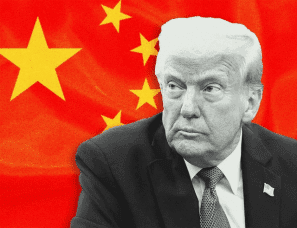
In a significant development for businesses and global trade, the U.S. government has officially launched an online portal for companies to claim refunds on billions of dollars in Section 232 tariffs. This move follows a landmark Supreme Court ruling, marking a crucial moment for importers who paid duties on steel and aluminum products under the previous administration's trade policies. While the initial wave of refunds amounts to a substantial $1.6 billion, the total potential payout could soar to an estimated $166 billion. This isn't just a win for affected businesses; it's a macroeconomic event with far-reaching implications for supply chains, inflation, and market sentiment, demanding the attention of astute traders and investors navigating today's complex financial landscape.
Understanding the Section 232 Tariffs Explained
The Section 232 tariffs, imposed under the Trade Expansion Act of 1962, allowed the U.S. President to impose duties on imported goods deemed a threat to national security. In 2018, the previous administration utilized this power to levy tariffs of 25% on steel imports and 10% on aluminum imports from various countries. The rationale was to protect domestic industries and ensure national defense capabilities. However, these tariffs quickly became a contentious issue, leading to increased costs for American manufacturers, retaliatory tariffs from other nations, and numerous legal challenges.
The recent Supreme Court decision effectively sided with importers who argued that the government had improperly collected these duties without providing a clear mechanism for refunds or exemptions. This ruling paved the way for the establishment of the new online portal, transforming what was once a contested policy into a tangible financial relief for thousands of businesses.
Claiming Tariff Refunds: The Process Unveiled
The opening of the refund portal signifies a practical step towards rectifying the financial burden placed on businesses. The process, while potentially complex given the volume of claims, aims to streamline the return of overpaid duties. Initially, the government is processing claims for tariffs paid on specific imported goods, with the potential for expansion as more cases are reviewed.
Navigating the Refund Portal and Eligibility
Businesses looking to claim refunds must navigate the newly established online portal, which requires detailed documentation of imports, proof of tariff payments, and adherence to specific deadlines. Eligibility typically extends to companies that imported steel and aluminum products subject to the Section 232 tariffs and can demonstrate the payment of these duties. The sheer scale of potential refunds—from an initial $1.6 billion to a projected $166 billion—highlights the widespread impact of these tariffs and the significant financial relief this program could offer to various industries, from automotive to construction.
Economic Impact of Trade Policy Shifts
The release of these tariff refunds is more than just an administrative task; it's an economic event with potential ripple effects across various sectors. For the businesses receiving refunds, it means an influx of capital that can be reinvested, used to pay down debt, or improve liquidity. This could stimulate growth, boost employment, and potentially lead to more competitive pricing for consumers.
Broader Market Implications and Inflation
From a macroeconomic perspective, the injection of billions of dollars back into the economy could have several implications. It might ease inflationary pressures in certain sectors by reducing input costs for manufacturers. For global supply chains, it could signal a move towards greater stability and predictability, potentially encouraging more robust international trade. Traders should monitor how these funds are deployed and their impact on corporate earnings reports, commodity prices, and even currency valuations, as companies adjust their financial strategies in response to this newfound capital. Understanding these shifts is crucial for developing informed market analysis.
Strategic Trading with AI Signals
In an environment where government policy shifts can unlock billions in capital and reshape market dynamics, having access to advanced tools is paramount for traders. The Section 232 tariff refunds serve as a prime example of how seemingly distant policy decisions can create tangible trading opportunities and risks across various asset classes, including forex and commodities, and even indirectly influence crypto markets through broader economic sentiment.
Platforms like NexCrypto, with its AI-powered trading signals, are designed to help traders cut through the noise and identify potential market movements stemming from such macroeconomic events. By leveraging sophisticated algorithms and real-time data analysis, NexCrypto can provide actionable insights, helping users to anticipate shifts in supply chain dynamics, commodity prices, or sector-specific performance that might result from these tariff refunds. Staying ahead of these developments is key to making informed decisions and optimizing trading strategies.
The opening of the tariff refund portal is a significant development for the U.S. economy and global trade. It underscores the profound impact government policies can have on business operations and market dynamics. For traders and investors, understanding such shifts is not just academic; it's essential for identifying opportunities and mitigating risks. As billions of dollars flow back into the economy, monitoring the ripple effects will be crucial. Equip yourself with cutting-edge market intelligence and AI-powered insights to navigate these evolving landscapes. Sign up for NexCrypto today and empower your trading decisions with superior analysis and timely signals.
Source: Crypto Briefing
Ready to Trade Smarter?
Join thousands of traders using AI-powered signals, real-time analytics, and on-chain intelligence to stay ahead of the market.
Start Free — No Credit Card Needed