US Supreme Court Ends Tariffs: $166B Refund Impact
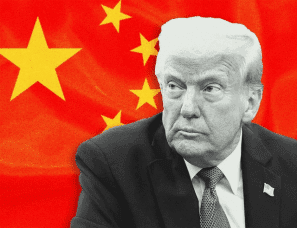
A seismic shift is underway in the landscape of international trade, set in motion by a monumental ruling from the US Supreme Court. This decision, poised to trigger an unprecedented $166 billion refund process by 2026, marks the end of certain tariffs that have shaped global supply chains for years. For businesses, investors, and traders, understanding the nuances of this development is not just beneficial—it's essential for navigating the evolving economic currents and identifying new opportunities. The sheer scale of this financial restitution promises to send ripples across various sectors, influencing everything from corporate balance sheets to consumer spending and the broader market outlook.
The Landmark US Supreme Court Tariff Ruling
At the heart of this unfolding financial event is the US Supreme Court's definitive stance on the legality of specific tariffs. While the original article refers to this as an 'ending' of tariffs, the core issue often revolves around challenges to the executive branch's authority to impose or extend certain duties, particularly those under Section 301 of the Trade Act of 1974. These tariffs, predominantly levied on goods from China, were initially implemented to address unfair trade practices. However, legal challenges questioned the procedural aspects and the extent of presidential power in extending these duties beyond their initial scope without further congressional approval. The recent ruling, therefore, isn't just about economic policy; it's a significant legal precedent affirming checks and balances on trade authority.
Understanding Section 301 Tariffs
Section 301 tariffs were a cornerstone of US trade policy during a period of heightened trade tensions. Designed to pressure countries deemed to be engaging in unfair trade practices, these duties impacted a vast array of imported goods, driving up costs for American businesses and consumers. While intended to protect domestic industries, they also created significant logistical and financial burdens for importers, who bore the initial cost. The Supreme Court's decision essentially validates claims that a portion of these collected tariffs were done so improperly, paving the way for a massive financial recalibration.
Unpacking the $166 Billion Tariff Refund Process
The figure of $166 billion is staggering, representing one of the largest government refunds in recent history. This colossal sum is earmarked for businesses—primarily importers—who paid these tariffs over several years. The process of distributing these refunds is expected to commence around 2026, a timeline necessitated by the immense administrative complexity involved. Identifying eligible claimants, verifying their payments, and processing such a vast number of transactions will require significant coordination between government agencies and the private sector. For many companies, this unexpected influx of capital could represent a substantial boost to their liquidity, potentially fueling new investments, debt reduction, or even shareholder returns.
Operational Challenges and Timeline
The timeline extending to 2026 is not arbitrary. It reflects the intricate operational challenges of handling such a large-scale refund. The US Customs and Border Protection (CBP), along with other relevant bodies, will need to establish clear protocols for claims, verification, and disbursement. Businesses will need to meticulously review their import records and prepare documentation to substantiate their claims. This administrative undertaking will be a critical phase, and companies that are prepared will likely be among the first to benefit from the impending cash injection.
Economic Ripple Effects and Market Implications
The release of $166 billion back into the economy is bound to create significant ripple effects. For the businesses receiving these funds, it could mean enhanced financial health, potentially leading to increased capital expenditure, hiring, or even downward pressure on consumer prices as import costs effectively decrease retroactively. Sectors heavily reliant on imported goods, such as retail, manufacturing, and technology, are likely to see some of the most direct benefits. This capital injection could also stimulate broader economic activity, acting as a fiscal stimulus during a period when global economic growth is often uncertain.
Moreover, the implications extend to financial markets. A surge in corporate liquidity could influence stock valuations, particularly for companies that have been heavily impacted by the tariffs. The foreign exchange (forex) market could also experience shifts as businesses manage these large sums, potentially impacting currency pairs involving the US dollar. Keeping an eye on these developments is crucial for traders looking to capitalize on market volatility and emerging trends. Tools like those offered by NexCrypto become invaluable in deciphering complex market signals during such periods of change.
Navigating the Evolving Trade Landscape
This Supreme Court ruling is more than just a one-off financial event; it signals a potential recalibration of US trade policy and the legal frameworks governing it. Businesses must now consider how this precedent might influence future trade negotiations, tariff decisions, and supply chain strategies. The emphasis will shift towards greater certainty and adherence to established legal processes, potentially reducing the unpredictability that has characterized trade relations in recent years. For investors and traders, understanding these broader shifts is key to making informed decisions and staying ahead of market movements. Staying informed through resources like our blog can provide crucial insights into these complex dynamics.
The US Supreme Court's decision to end certain tariffs and initiate a massive $166 billion refund process by 2026 marks a significant moment in economic history. While the administrative complexities are considerable, the potential for a substantial capital injection into the economy is undeniable. Businesses and traders must pay close attention to the unfolding details, as this event will undoubtedly reshape market dynamics, corporate strategies, and potentially even future trade policy. To navigate these intricate economic shifts and capitalize on emerging opportunities, leverage the power of AI-driven insights. Sign up with NexCrypto today to access cutting-edge trading signals and make smarter, more informed decisions in this evolving financial landscape.
Source: Crypto Briefing
Ready to Trade Smarter?
Join thousands of traders using AI-powered signals, real-time analytics, and on-chain intelligence to stay ahead of the market.
Start Free — No Credit Card Needed