US Sanctions North Korea's Crypto Laundering Network: A Wake-Up Call for Digital Asset Security
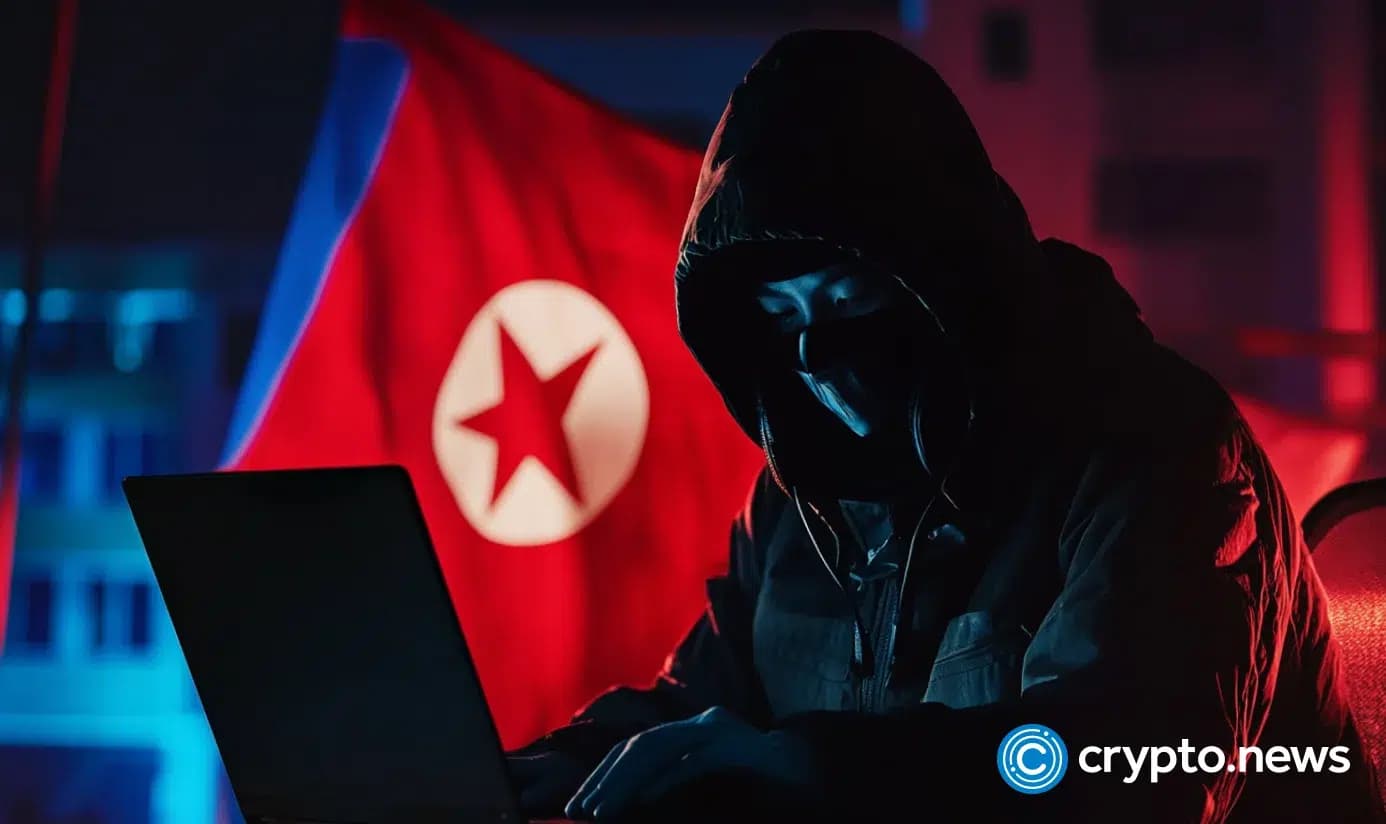
US Treasury Strikes at North Korea's Illicit Crypto Network
In a significant move aimed at curbing state-sponsored illicit finance, the U.S. Treasury Department's Office of Foreign Assets Control (OFAC) has announced new sanctions targeting a network associated with North Korea's (DPRK) sophisticated IT worker operations and cryptocurrency laundering activities. This action shines a harsh light on how rogue states continue to exploit the global digital economy to fund their weapons of mass destruction (WMD) programs, sending a clear message to the crypto community about the persistent threats lurking within the financial landscape.
The sanctions underscore a growing concern among international regulators regarding the misuse of digital assets by hostile actors. For participants in the crypto trading signals space, this development is not merely a geopolitical headline; it's a stark reminder of the regulatory pressures and security challenges that directly impact the integrity and future adoption of the digital asset ecosystem.
The Anatomy of the Sanctions: Who and Why?
The Treasury's designation specifically targets Choe Song Chol, an individual accused of facilitating the deployment of DPRK IT workers abroad. These workers, often posing as legitimate freelancers, generate substantial revenue that is then siphoned back to the North Korean regime. Choe Song Chol is also linked to the Pyongyang University of Automation, an entity previously sanctioned for its role in supporting DPRK's advanced military and WMD programs.
Crucially, the sanctions also encompass several front companies and individuals involved in the intricate process of laundering these illicit earnings through cryptocurrency. By leveraging various digital asset platforms and obfuscating transaction trails, this network aims to convert virtual currency into fiat, ultimately funding the DPRK's dangerous ambitions. This intricate web of deceit highlights the regime's adaptability in exploiting technological advancements for nefarious purposes.
DPRK's Digital Playbook: Exploiting the Global IT Market and Crypto
North Korea's strategy is multi-faceted. On one hand, it dispatches thousands of highly skilled IT professionals to work remotely for companies worldwide, often concealing their true identities and origins. These workers contribute to projects ranging from software development to mobile applications, earning significant foreign currency. On the other hand, the regime engages in audacious cyberattacks, stealing vast sums of cryptocurrency from exchanges and DeFi protocols, as seen in numerous high-profile hacks.
Cryptocurrency plays a pivotal role in both these schemes. For the IT workers' earnings, digital assets offer a seemingly untraceable method to transfer funds across borders, bypassing traditional financial institutions and international sanctions. For stolen funds, crypto provides a fertile ground for complex laundering operations, involving mixers, multiple wallets, and cross-chain transactions, making it challenging for law enforcement to follow the money trail. This dual approach illustrates the DPRK's sophisticated understanding of the digital financial landscape and its unwavering commitment to exploiting its vulnerabilities.
Broader Implications for the Crypto Ecosystem
These sanctions are more than just a punitive measure; they carry significant implications for the entire digital asset ecosystem, particularly for platforms catering to traders and investors.
Heightened Regulatory Scrutiny and Compliance Demands
Every time such a network is exposed, it intensifies the global regulatory spotlight on cryptocurrency platforms. Governments worldwide are increasingly demanding robust Anti-Money Laundering (AML) and Know Your Customer (KYC) protocols. Exchanges, decentralized finance (DeFi) protocols, and even P2P platforms face mounting pressure to enhance their due diligence, implement advanced transaction monitoring, and actively collaborate with authorities to identify and freeze illicit funds. This could lead to stricter onboarding processes and more rigorous compliance checks for users.
The Imperative of Cybersecurity and On-Chain Analysis
The DPRK's continued success in exploiting crypto platforms underscores the critical need for unparalleled cybersecurity measures. Exchanges and wallet providers must continuously fortify their defenses against state-sponsored hacking attempts. Furthermore, the reliance on cryptocurrency for laundering highlights the indispensable role of blockchain analytics firms. These companies, by tracing illicit flows and identifying suspicious addresses, become crucial partners in the fight against financial crime, helping to clean up the ecosystem and restore trust.
Market Perception and Investor Confidence
While the crypto market often shows resilience to such news, repeated instances of digital assets being used for illicit purposes can negatively impact public perception and institutional adoption. News of state-sponsored money laundering risks tainting the broader narrative of crypto as an innovative and legitimate financial technology. For institutional investors and mainstream financial players, security and regulatory clarity are paramount, and ongoing illicit activity can be a deterrent.
Navigating the Landscape: What Crypto Traders and Investors Need to Know
For those engaged in crypto trading, understanding these developments is vital. While you might not be directly involved in illicit activities, the ripple effects can touch your investments and the platforms you use:
- Choose Reputable Platforms: Prioritize exchanges and services with strong regulatory compliance records, robust security features, and transparent AML/KYC policies. These platforms are better equipped to protect your assets and navigate evolving regulatory landscapes.
- Stay Informed on Regulations: Keep an eye on global regulatory trends. Stricter regulations, while sometimes inconvenient, are ultimately aimed at fostering a safer and more legitimate environment for digital assets, which can benefit long-term growth.
- Understand the Broader Context: Recognize that the fight against illicit finance is an ongoing battle. The crypto industry is at the forefront of financial innovation, but with that comes the responsibility to ensure it is not exploited by malicious actors.
Conclusion: A United Front Against Illicit Finance
The latest U.S. sanctions against North Korea's crypto laundering network serve as a powerful reminder of the persistent threats posed by state-sponsored actors in the digital realm. It reinforces the commitment of international bodies to combat financial crime and protect the integrity of the global financial system, including the burgeoning digital asset space. For the crypto community, it's a call to action: to embrace robust security, champion compliance, and actively contribute to building a more secure and trustworthy ecosystem. Only through a united front can we ensure that the transformative potential of digital assets is realized for legitimate innovation, rather than exploited for illicit gain.
Source: Crypto.News
Ready to Trade Smarter?
Join thousands of traders using AI-powered signals, real-time analytics, and on-chain intelligence to stay ahead of the market.
Start Free — No Credit Card Needed