US Crypto Market Structure Bill Faces Delays: What It Means for Traders and Digital Assets
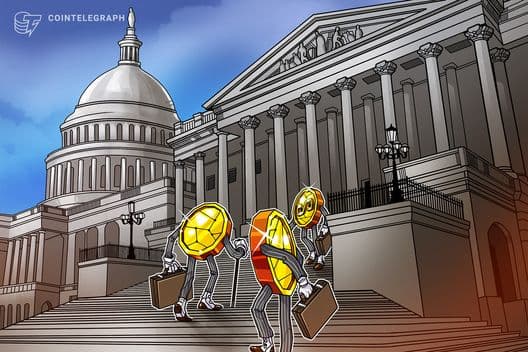
US Crypto Market Structure Bill Faces Delays: What It Means for Traders and Digital Assets
The quest for comprehensive regulatory clarity in the United States crypto market has hit another speed bump. Recent reports indicate that Senator John Thune, a key Republican leader in the US Senate, does not anticipate a significant crypto market structure bill to clear Congress before April. This revelation casts a shadow of continued uncertainty over the digital asset space, prompting traders and investors to reassess their strategies amidst an evolving legislative landscape.
The Legislative Labyrinth: Why Delays Persist
The cryptocurrency industry has long yearned for a clear, unified regulatory framework in the US, hoping to foster innovation, protect consumers, and attract mainstream institutional investment. However, the path to achieving this has been fraught with challenges. Senator Thune’s comments underscore the inherent complexities and political hurdles that continue to plague crypto legislation.
Several factors contribute to these delays:
- Bipartisan Disagreement: While there's a general consensus on the need for regulation, lawmakers often diverge on the specifics, particularly regarding which agencies should have primary oversight.
- Technical Complexity: Understanding the nuances of blockchain technology, decentralized finance (DeFi), and various digital asset types requires significant education for policymakers, slowing down the legislative process.
- Competing Priorities: Congress has a packed agenda, and crypto legislation, while important to the industry, often takes a backseat to other pressing national issues.
- Lobbying Efforts: Diverse interests within the crypto space, from exchanges to DeFi protocols, engage in extensive lobbying, which can further complicate and prolong negotiations as different viewpoints are considered.
Deconstructing "Market Structure" Legislation
For those outside the policy bubble, the term "market structure" might seem abstract. In the context of digital assets, it primarily refers to establishing clear rules for how crypto assets are classified, traded, and overseen. Key components often include:
- Asset Classification: Defining whether a particular digital asset is a security, a commodity, or a novel asset class. This is crucial for determining which regulatory body has jurisdiction.
- Jurisdictional Clarity: Resolving the ongoing turf war between the Securities and Exchange Commission (SEC) and the Commodity Futures Trading Commission (CFTC). A market structure bill aims to delineate their roles, providing much-needed clarity for exchanges and projects.
- Trading Platform Regulation: Establishing rules for crypto exchanges, broker-dealers, and other trading venues, covering aspects like custody, market manipulation, and investor protection.
- Stablecoin Frameworks: Legislation often seeks to create a robust regulatory framework for stablecoins, addressing issues of reserves, redemption, and systemic risk.
Without these foundational rules, the industry continues to operate in a gray area, stifling growth and creating potential risks.
Trader's Takeaway: Navigating Continued Uncertainty
For users of a crypto trading signals platform like NexCrypto, legislative delays are not just political news; they have tangible market implications:
- Potential for Volatility: Prolonged uncertainty can lead to market jitters. Any sudden legislative developments (or lack thereof) can trigger price swings, creating both risks and opportunities for short-term traders.
- Delayed Institutional Adoption: Major institutional players often require clear regulatory guardrails before committing significant capital to the crypto space. Delays in market structure legislation can postpone this influx of institutional money, impacting overall market liquidity and growth.
- Innovation on Hold: While the US grapples with regulation, other jurisdictions might move faster, potentially drawing innovative projects and talent away from American shores.
- Risk Management Focus: Traders must remain vigilant, incorporating regulatory news into their risk assessment. Understanding the potential impact of legislative outcomes on specific assets or the broader market is crucial for informed decision-making.
Beyond April: What's Next for Digital Asset Policy?
While the April timeline suggests further waiting, it doesn't mean legislative efforts have stalled entirely. Behind the scenes, discussions and negotiations are undoubtedly ongoing. The coming months will likely see continued debate, potential amendments to existing proposals, and perhaps even smaller, more targeted bills addressing specific aspects like stablecoins.
The looming US presidential election cycle will also play a significant role. Crypto policy is increasingly becoming a talking point for candidates, and the outcome of the elections could dramatically reshape the regulatory landscape in the long term.
Conclusion: Stay Informed, Stay Agile
Senator Thune's statement serves as a reminder that regulatory progress in the US is often a slow and deliberate process. For crypto traders and investors, this means that the current environment of regulatory ambiguity is likely to persist for some time. Staying informed through reliable sources like NexCrypto, understanding the nuances of proposed legislation, and maintaining an agile trading strategy will be paramount.
While the wait for comprehensive clarity continues, the underlying innovation and potential of digital assets remain strong. The market's resilience in the face of regulatory headwinds underscores the industry's long-term trajectory, even as short-term policy delays necessitate careful navigation.
Source: CoinTelegraph
Ready to Trade Smarter?
Join thousands of traders using AI-powered signals, real-time analytics, and on-chain intelligence to stay ahead of the market.
Start Free — No Credit Card Needed