US Congress Grapples with Tokenized Securities: The Race for Regulatory Clarity
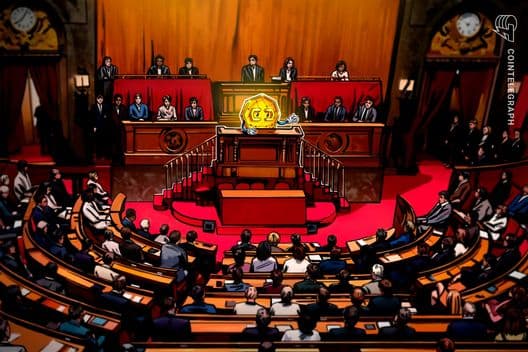
The Dawn of Tokenized Securities: A New Frontier for Finance
The convergence of blockchain technology and traditional financial assets has given rise to tokenized securities – a groundbreaking innovation poised to redefine capital markets. These digital representations of real-world assets, from real estate and equities to art and commodities, promise unprecedented levels of efficiency, liquidity, and fractional ownership. By leveraging the immutable and transparent nature of distributed ledger technology, tokenized securities offer faster settlement times, reduced intermediaries, and greater accessibility for a global investor base.
As the potential of this nascent sector becomes increasingly evident, US lawmakers are intensifying their focus on how to integrate these digital assets into existing regulatory frameworks. Recent hearings, particularly within the House Financial Services Committee, underscore a growing urgency to address the complexities surrounding tokenized securities, ensuring investor protection while fostering innovation within the burgeoning digital economy.
Washington's Regulatory Conundrum: SEC vs. CFTC
The Jurisdictional Tug-of-War
At the heart of the regulatory debate lies the fundamental question of classification: are tokenized assets securities, commodities, or something entirely new? The current US regulatory landscape, primarily governed by the Securities and Exchange Commission (SEC) and the Commodity Futures Trading Commission (CFTC), struggles to neatly categorize these hybrid instruments. The SEC’s long-standing Howey Test, designed for traditional investment contracts, often leads to ambiguity when applied to the dynamic nature of digital tokens.
This jurisdictional uncertainty creates significant hurdles for market participants. Innovators face a patchwork of state and federal regulations, deterring investment and hindering the development of compliant tokenization platforms. For traders and investors, the lack of clear guidelines translates into heightened risk and a less predictable market environment, making it challenging to assess the regulatory standing and future viability of various tokenized offerings.
Lawmakers' Core Concerns
During recent congressional discussions, several key concerns repeatedly surfaced. Lawmakers emphasized the critical need for robust investor protection mechanisms, particularly given the novelty and technical complexity of digital assets. Questions around market integrity, the prevention of fraud and manipulation, and the potential for systemic risk in an interconnected financial system were also prominent. Furthermore, the challenge of preventing illicit finance activities, such as money laundering and terrorist financing, within the digital asset ecosystem remains a top priority.
The overarching sentiment is a desire to strike a delicate balance: enabling the US to remain a leader in financial innovation while safeguarding its markets and citizens from undue risk. This requires careful consideration of how existing laws can be adapted or new legislation can be crafted to provide a comprehensive and forward-looking framework.
Key Takeaways from Congressional Hearings
The recent hearings have highlighted a bipartisan recognition of tokenized securities' transformative potential. There's a shared understanding that the US cannot afford to fall behind other jurisdictions that are actively developing clearer frameworks for digital assets. Experts and policymakers alike stressed the importance of a coordinated regulatory approach, urging greater collaboration between the SEC, CFTC, and other relevant agencies to avoid conflicting guidance and regulatory arbitrage.
Many lawmakers voiced support for legislation that would provide explicit definitions for digital assets, thereby clarifying which agency has oversight over specific types of tokens. This push for legislative clarity aims to move beyond enforcement-by-litigation and establish a proactive, innovation-friendly regulatory environment that provides certainty for businesses and investors alike.
What Regulatory Clarity Means for Crypto Traders and Investors
Unlocking Institutional Capital
For the crypto trading community, the implications of regulatory clarity around tokenized securities are profound. A well-defined legal and regulatory framework would significantly reduce the perceived risk for institutional investors, pension funds, and large asset managers. This certainty is a crucial prerequisite for unlocking substantial institutional capital, which has largely remained on the sidelines due to regulatory ambiguity.
- Increased Liquidity: Greater institutional participation would inject significant capital into tokenized markets, leading to enhanced liquidity and more stable price discovery.
- New Investment Products: Clear rules would pave the way for the creation of diverse, compliant tokenized investment products, expanding the universe of tradable assets.
- Mainstream Adoption: As tokenized securities become more integrated into traditional finance, their appeal to a broader, more conservative investor base will grow.
Market Stability and Innovation
A predictable regulatory environment fosters healthier market growth by reducing speculative volatility driven by legal uncertainties. It encourages responsible innovation, allowing blockchain startups and fintech companies to build and scale their platforms with confidence, knowing the rules of engagement. This stability can lead to more robust infrastructure, better security, and a wider array of services for traders.
Investor Confidence
Ultimately, clear regulations build trust. When investors know their assets are protected by established laws and overseen by accountable bodies, their confidence grows. This increased confidence is vital for attracting new participants to the digital asset space and ensuring its long-term sustainability and growth.
The Road Ahead: Crafting a Sustainable Digital Asset Policy
The discussions in Washington represent a critical juncture for the future of digital assets in the US. The path forward will likely involve a combination of legislative action, inter-agency cooperation, and ongoing dialogue with industry stakeholders. Crafting a regulatory framework that is both robust enough to protect investors and flexible enough to accommodate technological advancements is a monumental task.
As these debates continue, the crypto community will be watching closely. The outcome will not only shape the trajectory of tokenized securities but also significantly influence the broader digital asset landscape, potentially solidifying the US's position as a leader in the global blockchain economy or risking its innovation edge.
Source: cointelegraph.com
Ready to Trade Smarter?
Join thousands of traders using AI-powered signals, real-time analytics, and on-chain intelligence to stay ahead of the market.
Start Free — No Credit Card Needed