White House Targets AI Theft: What It Means for Markets
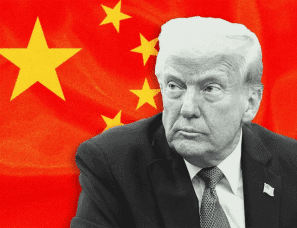
Artificial intelligence stands as the defining technology of our era, a force reshaping industries, economies, and even geopolitical power dynamics. From sophisticated trading algorithms to groundbreaking medical diagnostics, AI's potential is limitless. However, this immense value has also made AI a flashpoint in international relations, particularly between the United States and China. Recent directives from the White House signal a significant escalation in efforts to safeguard American AI innovation, directly targeting alleged intellectual property theft by Chinese entities. This isn't just about national security; it's a move with profound implications for global tech markets, corporate strategies, and the very fabric of international trade.
The Escalating Battle for AI Supremacy
The race for AI supremacy is more than an economic competition; it's a strategic imperative. Both the U.S. and China view leadership in artificial intelligence as critical for future national security, economic growth, and technological dominance. The United States, a pioneer in AI research and development, has expressed increasing concern over the unauthorized acquisition of its cutting-edge AI technologies and data by foreign adversaries, particularly those linked to the Chinese government and its corporate ecosystem. This concern isn't new, but the recent White House actions underscore a hardening stance, moving beyond rhetoric to tangible policy implementation.
The fear is that stolen AI intellectual property not only undermines American innovation but also accelerates the technological capabilities of rivals, potentially eroding the U.S.'s strategic advantage. This high-stakes environment demands robust protective measures, which are now manifesting in a series of targeted actions aimed at disrupting illicit technology transfers and securing critical AI infrastructure.
White House Directives: Safeguarding AI Innovation
In response to these perceived threats, the White House has initiated a concerted effort to bolster defenses around sensitive AI technologies. These directives are multifaceted, encompassing enhanced export controls, stricter investment screening, and increased enforcement against corporate espionage. The goal is clear: to prevent American AI breakthroughs from being co-opted or replicated without authorization, thereby preserving the competitive edge of U.S. companies and national security interests.
New Restrictions and Export Controls
Key to these new directives are potential expansions of export controls on advanced AI chips and related technologies, making it harder for Chinese firms to acquire the foundational hardware necessary for high-end AI development. Furthermore, there may be increased scrutiny of U.S. investments in Chinese AI companies, particularly those with military or surveillance ties. The administration is also likely to ramp up efforts through intelligence agencies and law enforcement to identify and prosecute individuals and organizations involved in AI intellectual property theft. These measures are designed to create a more secure ecosystem for American AI innovation, but they inevitably introduce friction into global supply chains and international business relationships.
Alibaba and the Broader Chinese Tech Landscape
While the White House's directives are broad, their impact is acutely felt by major Chinese tech giants, with Alibaba often highlighted due to its extensive AI research and application across e-commerce, cloud computing, and logistics. Alibaba Cloud, for instance, is a global player in AI services, and restrictions on crucial hardware or software components could impede its ability to compete and innovate internationally. Other prominent Chinese firms involved in AI, from Baidu to Tencent, face similar challenges.
The measures could force Chinese companies to accelerate their domestic efforts in chip manufacturing and AI research, aiming for greater technological self-sufficiency. While this might foster indigenous innovation in the long run, it could also lead to a more fragmented global tech landscape, where different standards and ecosystems emerge along geopolitical lines. For businesses operating internationally, navigating these evolving regulatory frameworks becomes a complex and critical task.
The Challenge of Dual-Use Technologies
A significant challenge in implementing these restrictions lies in the dual-use nature of many AI technologies. Innovations developed for commercial purposes, such as advanced facial recognition or natural language processing, can also have military or surveillance applications. Distinguishing between benign and malign uses, and subsequently regulating their transfer, is incredibly difficult. This ambiguity creates a grey area that both governments and corporations must navigate carefully, balancing innovation with national security concerns.
Market Ripple Effects: From Tech Stocks to Crypto
The geopolitical tensions surrounding AI intellectual property have tangible effects on global financial markets. U.S. tech companies that rely on the Chinese market or supply chain could see revenue impacts, while Chinese tech giants might face headwinds in accessing advanced components or international markets. This uncertainty often translates into increased volatility in tech stocks, impacting investor sentiment worldwide.
For the crypto market, the implications are more indirect but no less significant. Geopolitical instability and economic decoupling can drive investors towards decentralized assets as a hedge against traditional market fluctuations. Moreover, the very AI technologies at the heart of this dispute are increasingly being integrated into crypto and forex trading. Platforms that leverage AI for market analysis, signal generation, and risk management become even more valuable in a volatile, politically charged environment. Traders looking to capitalize on market shifts or mitigate risks need tools that can process vast amounts of data and identify patterns that human analysis might miss.
Navigating Geopolitical Tech Shifts with AI Trading
In an era defined by rapid technological advancements and complex geopolitical rivalries, staying ahead requires sophisticated tools. The ongoing saga of AI intellectual property theft and the White House's response underscore the need for traders to be agile and informed. AI-powered trading platforms offer a distinct advantage, providing users with data-driven insights and predictive analytics that can help navigate market volatility stemming from such geopolitical events.
Whether it's identifying opportunities in shifting tech sector valuations or anticipating broader market trends influenced by U.S.-China relations, advanced algorithms can offer a clearer picture. For those looking to make informed decisions in this dynamic landscape, leveraging the power of AI becomes not just an option, but a necessity. You can explore how AI is transforming trading by checking out our blog for more insights.
The White House's intensified focus on combating AI intellectual property theft by Chinese firms marks a critical juncture in global technology and trade. This strategic move will undoubtedly reshape the landscape for tech companies, influence investment flows, and introduce new variables into market dynamics. As these geopolitical currents continue to evolve, staying informed and equipped with the right tools is paramount. NexCrypto empowers traders with AI-driven signals and analytics to cut through the noise and make confident decisions, even amidst such complex global shifts. Prepare for the future of trading by signing up with NexCrypto today.
Source: Crypto Briefing
Ready to Trade Smarter?
Join thousands of traders using AI-powered signals, real-time analytics, and on-chain intelligence to stay ahead of the market.
Start Free — No Credit Card Needed