UK DeFi Regulations: Industry Faces Collateral Damage
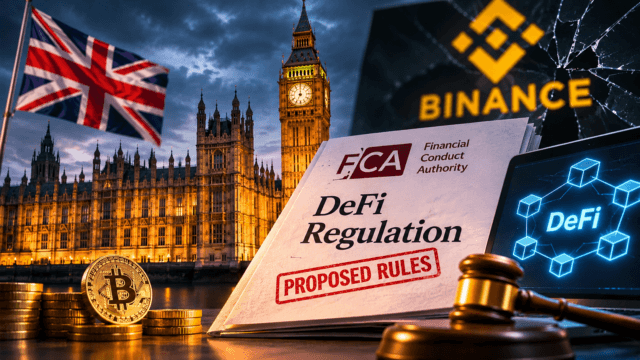
The United Kingdom's approach to regulating decentralized finance is drawing sharp criticism from major cryptocurrency exchanges, with Coinbase leading the charge against what it describes as overly restrictive measures. At the heart of the controversy lies an uncomfortable question: should the entire DeFi sector face tighter regulations because of a security breach at a centralized exchange?
The Binance Hack and Its Regulatory Ripple Effects
The Financial Conduct Authority (FCA) has reportedly referenced the massive $6.3 billion Binance security breach to support its case for stricter oversight of decentralized finance platforms. This regulatory move has sparked intense debate within the cryptocurrency community, as industry leaders argue that applying centralized exchange failures to DeFi protocols fundamentally misunderstands how these systems operate.
The October 2024 Binance breach sent shockwaves through the crypto industry, prompting parliamentary inquiries and urgent government assessments. British authorities confirmed they are working alongside the FCA to evaluate the incident's implications for UK consumers and the broader digital asset ecosystem. However, the regulatory response has raised concerns about proportionality and technical accuracy.
How Stolen Funds Moved Through DeFi Protocols
Following the initial theft from Binance's centralized infrastructure, hackers laundered approximately $600 million in Ethereum through various cross-chain decentralized protocols. This movement of illicit funds has blurred the distinction between centralized and decentralized platforms in regulators' eyes, despite the fundamental differences in their architecture and control structures.
Critics argue that using decentralized protocols to move stolen assets doesn't implicate those protocols in the original security failure. The breach occurred due to vulnerabilities in Binance's centralized systems, not weaknesses in DeFi infrastructure. Conflating these distinct issues could lead to regulatory overreach that stifles innovation without addressing the actual security problems.
Coinbase Calls Out Regulatory Overreach
Katie Harries, Coinbase's head of European policy, didn't mince words when describing the UK's regulatory trajectory. According to reports from the Financial Times, she characterized the FCA's approach as essentially "creating a prohibition" on DeFi access for regulated cryptocurrency businesses operating in Britain.
The FCA's consultation document GC26/7, published in October 2024, outlines how regulated firms should manage cybersecurity, operational resilience, and financial crime risks when facilitating customer access to decentralized protocols. While these concerns are legitimate, the practical implementation could make it virtually impossible for compliant platforms to offer DeFi services.
The Compliance Conundrum for Regulated Platforms
Consider a typical use case: a customer uses NexCrypto or another regulated platform to interact with a decentralized lending protocol. The platform controls the user interface and customer relationship, but it doesn't control the underlying smart contract code, governance mechanisms, or protocol upgrades. This creates a regulatory gray area where traditional compliance frameworks don't easily apply.
Regulated platforms face an impossible standard if they're required to guarantee outcomes in systems they don't control. Smart contracts operate autonomously based on predetermined code, and their governance often involves decentralized communities rather than corporate hierarchies. Applying centralized compliance requirements to this model is like asking a web browser to guarantee the security of every website a user visits.
Understanding the Distinction That Matters
The cryptocurrency industry has long emphasized the difference between centralized exchanges and decentralized protocols. Centralized platforms like Binance hold custody of user assets, control private keys, and operate traditional corporate structures. When security fails at these institutions, they bear clear responsibility for protecting customer funds.
Decentralized finance operates differently. Users typically maintain control of their own assets through self-custody wallets, interact directly with smart contracts, and don't rely on a single entity to facilitate transactions. While this model introduces different risks, it fundamentally changes the regulatory equation.
The FCA's approach appears to ignore these distinctions, potentially treating all cryptocurrency services as equally controllable by regulated intermediaries. This one-size-fits-all methodology could drive innovation offshore while failing to address the actual security vulnerabilities that enabled the Binance breach.
What Happens Next for UK DeFi Access
The FCA's consultation period closed on November 18, 2024, with final guidance expected before the UK's comprehensive crypto regulatory regime takes effect on October 25, 2027. This timeline gives the industry nearly three years to adapt, but it also creates significant uncertainty for businesses planning their UK operations.
It's important to note that Coinbase's "prohibition" description doesn't mean genuinely decentralized protocols will be banned. Users can still access DeFi directly through self-custody wallets and decentralized applications. However, regulated intermediaries may choose to stop offering these services if compliance requirements become impractical or legally risky.
This outcome would create a two-tier system: sophisticated users with technical knowledge could access DeFi directly, while mainstream users relying on regulated platforms would be excluded. Such an arrangement undermines the UK's stated goal of becoming a global crypto hub while protecting consumers.
The Broader Implications for Crypto Regulation
Britain's regulatory approach could set precedents that influence other jurisdictions. If the UK successfully implements strict DeFi oversight without driving the industry away, other countries may follow suit. Conversely, if excessive regulation pushes businesses and innovation to more accommodating markets, it could demonstrate the limits of this regulatory philosophy.
The challenge for regulators worldwide is finding the right balance between protecting consumers and enabling innovation. Legitimate concerns about money laundering, fraud, and consumer protection must be addressed, but blunt instruments that fail to distinguish between different types of cryptocurrency services risk causing more harm than good.
As the debate continues, industry participants should stay informed about regulatory developments and engage constructively with policymakers. For the latest updates on crypto regulation and market analysis, visit our blog where we track these critical developments that shape the future of digital finance.
The collision between traditional regulatory frameworks and decentralized finance represents one of the most significant challenges facing the cryptocurrency industry. How jurisdictions like the UK resolve these tensions will determine whether DeFi can reach mainstream adoption or remains confined to the technical elite. The stakes are high, and the decisions made in the coming months will reverberate throughout the global crypto ecosystem for years to come.
Source: Bitcoinist
Ready to Trade Smarter?
Join thousands of traders using AI-powered signals, real-time analytics, and on-chain intelligence to stay ahead of the market.
Start Free — No Credit Card Needed