Trump Tariffs Return? What it Means for Crypto & Trade
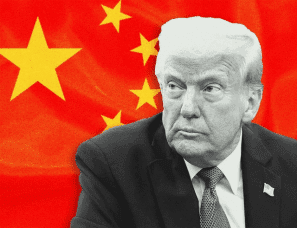
The global economic landscape is perennially shaped by political decisions, and few policies stir the pot quite like tariffs. Recent developments, including a significant Supreme Court decision and expert predictions, suggest that the specter of Trump-era tariffs could once again loom large by July. This potential shift isn't just a blip on the radar for traditional markets; it carries profound implications for global trade, inflation, and, crucially, the volatile world of cryptocurrency. As investors and traders navigate this uncertainty, understanding the potential impacts becomes paramount.
The Looming Threat of Trump Tariffs
According to macro strategist Michael Bessent, markets could see a return of certain Trump tariffs as early as July. This prediction follows a pivotal Supreme Court decision that declined to hear a challenge to the president's authority to impose tariffs under Section 232 of the Trade Expansion Act of 1962. While this doesn't automatically reinstate tariffs, it significantly clears the legal path for future (or even current) administrations to implement such measures without immediate judicial review on constitutional grounds.
The original tariffs, primarily on steel and aluminum imports, were justified on national security grounds. Their re-emergence, or the implementation of new ones, could signal a renewed focus on protectionist trade policies. Such moves are designed to protect domestic industries but often come with a cascade of unintended consequences for international trade relations and consumer prices.
Understanding the Supreme Court's Stance
The Supreme Court's recent decision was not a judgment on the merits of tariffs themselves but rather a procedural one. By refusing to hear a case challenging Section 232, the Court effectively upheld the broad authority of the executive branch to impose tariffs under this provision. This legal clarity, or lack of judicial oversight, empowers the President to act unilaterally on trade matters deemed vital for national security. For market participants, this means that the political will of the administration, rather than a lengthy legal battle, will be the primary determinant of future tariff policies.
How Tariffs Disrupt Global Supply Chains
The reintroduction of significant import duties would inevitably send ripples through global supply chains. Tariffs increase the cost of imported goods, making raw materials and components more expensive for domestic manufacturers. This can lead to:
- Higher Production Costs: Businesses face increased expenses, which are often passed on to consumers in the form of higher prices.
- Inflationary Pressures: Tariffs contribute to inflation, eroding purchasing power and potentially leading central banks to adopt tighter monetary policies.
- Trade Diversion: Countries and companies may seek alternative, often more expensive, suppliers, further complicating supply chains.
- Reduced Trade Volume: Overall international trade can shrink as goods become less competitive across borders.
- Geopolitical Tensions: Tariffs can spark retaliatory measures from other countries, escalating into trade wars that harm all parties involved.
For an economy already grappling with inflation and recovering from post-pandemic disruptions, a new wave of tariffs could exacerbate existing challenges, creating an environment of heightened economic uncertainty.
Ripple Effects on Cryptocurrency Markets
While tariffs directly impact traditional goods and services, their economic fallout inevitably extends to cryptocurrency markets. Crypto, despite its decentralized nature, is not immune to macroeconomic forces. Here's how tariffs could influence digital assets:
- Increased Volatility: Economic uncertainty and inflation concerns typically lead to increased volatility across all asset classes, including crypto. Investors may become more risk-averse, leading to sell-offs.
- Inflation Hedge Narrative: Bitcoin and other cryptocurrencies are often touted as inflation hedges. If tariffs fuel inflation, this narrative could gain traction, potentially driving some investors towards crypto as a store of value. However, this correlation is not always straightforward and can be influenced by broader market sentiment.
- Safe-Haven Asset Debate: In times of geopolitical and economic instability, some view Bitcoin as a digital safe haven. A return of trade wars could test this theory, with investors either fleeing to or from crypto depending on their perception of its stability relative to traditional assets.
- Impact on USD Strength: Tariffs can influence the strength of the U.S. dollar. A stronger dollar can sometimes put downward pressure on crypto prices, while a weaker dollar might have the opposite effect.
- Investor Sentiment: Overall market sentiment, driven by economic news, plays a huge role in crypto performance. Negative economic outlooks due to tariffs could dampen investor enthusiasm for risk assets like crypto.
Navigating Volatility with AI Trading Signals
In an environment of potential economic upheaval, traditional market analysis might struggle to keep pace with rapid shifts. This is where advanced tools become indispensable. Platforms like NexCrypto leverage artificial intelligence to provide real-time trading signals for both crypto and forex markets. AI algorithms can process vast amounts of data, identify complex patterns, and predict market movements with greater accuracy than human analysis alone. For traders looking to capitalize on, or protect against, the volatility spurred by potential tariff returns, AI-powered signals offer a crucial edge, helping to cut through the noise and make informed decisions.
Preparing Your Portfolio for Potential Shifts
Given the potential for significant portfolio shifts, proactive preparation is key. Here are some strategies to consider:
- Diversification: Ensure your portfolio is well-diversified across different asset classes, not just within crypto. Consider a mix of traditional assets and digital assets.
- Risk Management: Implement strict risk management protocols, including setting stop-loss orders and managing position sizes to mitigate potential losses during periods of high volatility.
- Stay Informed: Keep a close watch on global economic news, trade policy announcements, and expert analyses. Understanding the evolving landscape is critical.
- Leverage Technology: Utilize advanced trading platforms and tools that offer AI-powered insights and signals. These can help you react swiftly and intelligently to market changes.
The potential return of Trump-era tariffs by July represents a significant economic wildcard. From disrupting global supply chains and fueling inflation to creating ripples across cryptocurrency markets, the implications are vast. While uncertainty abounds, traders and investors equipped with knowledge and the right tools can navigate these turbulent waters. For those seeking a competitive advantage in an increasingly complex market, platforms like NexCrypto offer AI-powered trading signals to help make smarter, data-driven decisions. Don't get caught off guard; empower your trading strategy with intelligence. Sign up for NexCrypto today and stay ahead of the curve.
Source: Crypto Briefing
Ready to Trade Smarter?
Join thousands of traders using AI-powered signals, real-time analytics, and on-chain intelligence to stay ahead of the market.
Start Free — No Credit Card Needed