Trump's Tariff Shift: Market Impact & Trade Policy
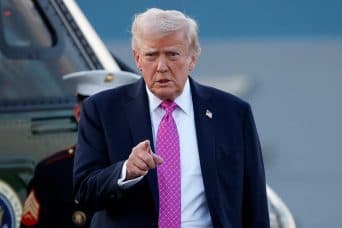
In the dynamic world of global finance, political rhetoric and policy shifts can send immediate ripples through markets. Few figures have demonstrated this more consistently than Donald Trump, whose trade policies have historically been a significant source of both volatility and opportunity for traders. Recent signals, including a notable shift in his tariff strategy and public praise for tech giants like Amazon and Apple, suggest an evolving approach that demands careful consideration from anyone navigating the crypto, forex, and traditional equity markets.
Understanding Trump's Evolving Trade Strategy
During his previous presidency, Donald Trump's trade policy was largely defined by an aggressive, protectionist stance, most notably characterized by the imposition of substantial tariffs on goods from China and other key trading partners. These actions aimed to rebalance trade deficits and protect domestic industries, often leading to retaliatory measures and heightened global trade tensions. However, recent rhetoric hints at a potential recalibration.
While the underlying protectionist philosophy may remain, the specific targets and methods appear to be undergoing a strategic review. The shift from broad-stroke tariffs to a more nuanced approach, potentially focusing on specific industries or countries for strategic advantage, could signal a new phase of economic nationalism. His unexpected praise for major U.S. technology companies like Amazon and Apple, which were once targets of his criticism, further complicates the picture, suggesting a potential alignment with domestic industry leaders even while maintaining a tough stance on international trade.
Global Economic Impact of Tariffs
Tariffs, essentially taxes on imported goods, have far-reaching consequences that extend beyond the immediate trade partners. When applied, they can disrupt established supply chains, increase manufacturing costs, and ultimately raise prices for consumers. This domino effect can slow global economic growth, impact corporate earnings, and influence investment decisions across various sectors.
Supply Chain Resilience and Manufacturing Shifts
The threat or implementation of tariffs compels multinational corporations to re-evaluate their global supply chain strategies. Businesses may seek to diversify their manufacturing bases, relocate production to countries with more favorable trade agreements, or even onshore operations to reduce exposure to trade disputes. This drive for supply chain resilience can lead to significant capital expenditures and shifts in global manufacturing hubs, creating both winners and losers in the economic landscape. Traders should monitor these industrial shifts closely, as they can indicate future growth areas or potential vulnerabilities for specific economies and companies.
Forex and Crypto Market Volatility
Trade policy changes are potent drivers of volatility in financial markets. In the forex market, the perceived strength or weakness of a nation's economy, heavily influenced by trade balances and policy certainty, directly impacts its currency valuation. A protectionist stance, for instance, could strengthen the USD in the short term by encouraging domestic production, but could also weaken it if retaliatory tariffs harm U.S. exports. Similarly, the crypto market, while often seen as uncorrelated, is not immune. During periods of heightened geopolitical or economic uncertainty stemming from trade wars, investors might flock to perceived safe-haven assets, including certain cryptocurrencies, or conversely, pull back from riskier assets, including digital ones, leading to significant price swings. Understanding these correlations is critical for informed trading decisions.
US Tech Leadership and Trade Policy
Donald Trump's recent commendations for Amazon and Apple mark a distinct departure from his past criticisms, which often centered on issues of market dominance, tax practices, or perceived anti-competitive behavior. This shift could be interpreted as a strategic move to align with powerful domestic entities that contribute significantly to U.S. employment, innovation, and global economic leadership. By embracing these tech giants, a future administration might aim to leverage their influence in international trade negotiations, promote American technological supremacy, or secure domestic job growth.
Such an alignment could lead to policies that favor U.S.-based tech companies on the global stage, potentially through targeted subsidies, intellectual property protections, or more favorable regulatory environments. For investors, this signals a potential era where U.S. tech stocks might receive governmental backing, making them attractive long-term holdings, while also influencing the broader market sentiment towards innovation and digital transformation.
Adapting Your Trading Strategy in Uncertain Times
Navigating the complex interplay of political policy, global trade, and market reactions requires more than just intuition; it demands a robust, data-driven approach. Traders must remain vigilant, constantly analyzing breaking news, economic indicators, and geopolitical developments to anticipate market movements. Key areas to monitor include:
- Economic Data Releases: GDP figures, inflation rates, employment statistics, and trade balance reports can provide early clues about the health of economies and the potential impact of trade policies.
- Geopolitical Developments: Keep a close watch on international relations, election outcomes, and diplomatic negotiations, as these can directly influence market sentiment and policy directions.
- Corporate Earnings and Guidance: Companies often provide insights into how trade policies affect their supply chains, costs, and revenue forecasts, which can be invaluable for equity and sector-specific trading.
In an environment where policy shifts can occur rapidly, leveraging advanced tools becomes paramount. AI-powered platforms, like NexCrypto, offer real-time trading signals and sophisticated market analysis, helping traders identify opportunities and manage risks effectively amidst political and economic uncertainty. These tools can process vast amounts of data, including news sentiment and technical indicators, to provide actionable insights faster than human analysis alone.
Conclusion
Donald Trump's evolving tariff strategy and his renewed praise for American tech giants underscore the persistent influence of political figures on global markets. For traders in crypto, forex, and traditional assets, staying informed about these shifts isn't just an advantage—it's a necessity. The ability to interpret policy changes, understand their economic ramifications, and adapt trading strategies accordingly will define success in the coming years. Equip yourself with the best tools and insights available. Explore how our blog and AI-powered signals at NexCrypto can help you navigate these complex market dynamics and capitalize on emerging opportunities.
Source: Crypto Briefing
Ready to Trade Smarter?
Join thousands of traders using AI-powered signals, real-time analytics, and on-chain intelligence to stay ahead of the market.
Start Free — No Credit Card Needed