Trump's Pro-Crypto Push: Banks Accused of Stalling Digital Asset Legislation
The Shifting Sands of Crypto Regulation
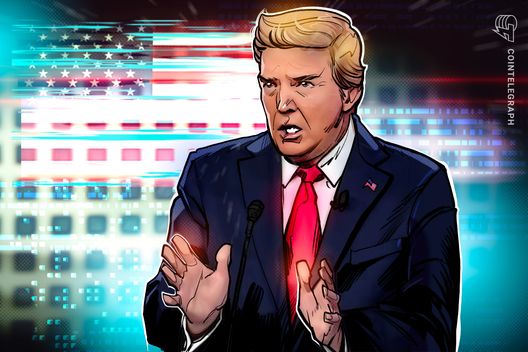
The regulatory landscape for digital assets in the United States remains a complex and often contentious terrain. While the crypto industry consistently calls for clear, comprehensive frameworks, progress on Capitol Hill has been painstakingly slow. Amidst this legislative logjam, a new and vocal advocate has emerged: former President Donald Trump, who recently leveled sharp criticism at traditional financial institutions, accusing them of actively sabotaging efforts to pass meaningful crypto legislation.
Trump's Direct Challenge to Traditional Finance
In a significant pivot from his previous skepticism towards digital currencies, Donald Trump has increasingly positioned himself as a champion for the crypto community. His recent remarks, delivered during a prominent political event, directly targeted the banking sector. Trump asserted that powerful traditional banks are lobbying against favorable crypto bills, fearing the disruptive innovation and potential competition posed by decentralized finance and digital assets.
This accusation underscores a growing narrative within the crypto space: that established financial players view the rise of cryptocurrencies as an existential threat to their long-held dominance. Trump's comments amplify this sentiment, suggesting that the inertia in crypto regulation is not merely due to political gridlock, but rather a deliberate campaign by vested interests to maintain the status quo.
The Legislative Bottleneck: Why Bills Stall
The U.S. Congress has seen several attempts to introduce and pass legislation aimed at providing regulatory clarity for cryptocurrencies. Bills like the Financial Innovation and Technology for the 21st Century Act (FIT21), while gaining some bipartisan support, have faced significant hurdles. These legislative efforts seek to define the roles of various regulatory bodies, establish consumer protections, and foster innovation within the digital asset ecosystem.
However, the journey from proposal to law is fraught with challenges. Lobbying groups representing traditional banks, investment firms, and other incumbent financial institutions often wield considerable influence. Their concerns typically revolve around:
- Risk Management: Perceived instability and potential for illicit activities associated with cryptocurrencies.
- Competitive Advantage: The desire to protect their existing market share and revenue streams from disruptive new technologies.
- Regulatory Compliance Burden: Concerns about the costs and complexities of integrating new digital asset regulations into existing frameworks.
Trump's recent statements explicitly connect these lobbying efforts to the stalled progress, suggesting a direct causal link between bank influence and legislative inaction.
The Banking Sector's Perspective (and Perceived Conflict)
From the perspective of traditional banks, the crypto space presents a multifaceted challenge. While some major financial institutions are cautiously exploring blockchain technology and digital assets, many others remain wary. Their primary arguments against rapid crypto integration often include:
- Lack of robust consumer protection.
- Potential for market manipulation.
- Concerns about money laundering and terrorist financing risks.
- The need for a clear, unified regulatory approach before widespread adoption.
However, critics argue that beneath these legitimate concerns lies a deeper motivation: self-preservation. The decentralized nature of cryptocurrencies threatens the centralized control that banks have historically exercised over financial transactions. A regulatory environment that fosters crypto innovation could inevitably diminish the power and profitability of traditional intermediaries.
Implications for the Crypto Market and Investors
For participants in the crypto market, including traders and investors, the political and regulatory tug-of-war has significant implications:
- Market Volatility: Regulatory uncertainty often contributes to price volatility, as markets react to headlines and legislative shifts.
- Institutional Adoption: A clear regulatory framework is crucial for attracting larger institutional capital into the crypto space, which could provide long-term stability and growth.
- Innovation and Development: Unclear rules can stifle innovation, pushing promising projects and talent to more crypto-friendly jurisdictions.
- Electoral Impact: As crypto becomes a more prominent political issue, the stances of candidates and parties could influence voter behavior, potentially shaping future policy.
Trump's outspoken pro-crypto stance and his willingness to challenge powerful banking lobbies could signal a potential shift in the political calculus. Should he or other pro-crypto politicians gain more influence, it could pave the way for accelerated legislative action, potentially unlocking significant growth for the digital asset sector.
The Road Ahead: Navigating Political and Financial Headwinds
The clash between a rapidly evolving digital asset industry and a cautious, often entrenched, traditional financial system is far from over. Donald Trump's recent accusations add another layer of complexity to an already intricate debate. As the U.S. heads into a pivotal election cycle, the fate of crypto legislation will likely remain a hot-button issue, influenced by political maneuvering, public sentiment, and the enduring power of lobbying efforts.
For crypto enthusiasts and investors, monitoring these developments is crucial. The eventual resolution of these regulatory battles will undoubtedly shape the future trajectory of digital assets, determining the extent to which they can integrate into the mainstream financial system and realize their full disruptive potential.
Ready to Trade Smarter?
Join thousands of traders using AI-powered signals, real-time analytics, and on-chain intelligence to stay ahead of the market.
Start Free — No Credit Card Needed