Trump's Unprecedented Dollar Signature: A Symbol of Shifting Financial Paradigms?
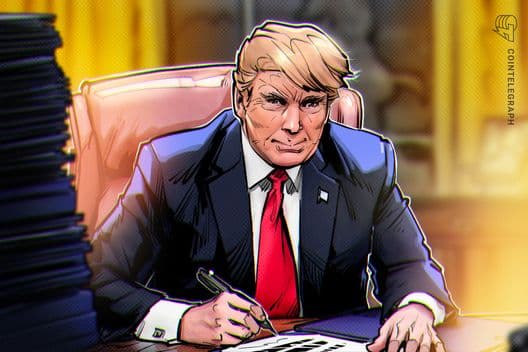
The Unprecedented Act: A President's Mark on the Greenback
In a move poised to etch his name not just in the history books, but literally onto U.S. currency, Donald Trump is reportedly set to become the first sitting President to sign new dollar bills. This decision marks a significant departure from a tradition upheld since 1861, where the signatures of the Secretary of the Treasury and the Treasurer of the United States have been the sole official marks on the nation's paper money.
For over a century and a half, the integrity and consistency of U.S. fiat currency have been underscored by this specific protocol. The Treasury Secretary, as the head of the department responsible for managing the government's finances, and the Treasurer, entrusted with the custody of government funds, have traditionally represented the institutional authority behind the dollar. A President's signature on the currency itself is an entirely new precedent, raising questions about symbolism, authority, and the future of traditional financial conventions.
Why Now? Unpacking the Symbolism Behind the Signature
The decision for a President to personally sign U.S. currency is undoubtedly a powerful symbolic gesture. In a political landscape increasingly defined by personal branding and direct communication, this act can be interpreted in several ways:
- Personal Legacy: It's a tangible way to leave an indelible mark on a foundational element of the nation's economy.
- Assertion of Authority: By placing the highest office's signature directly on the currency, it could be seen as a strong assertion of presidential authority over the nation's financial instruments.
- Breaking Tradition: Consistent with a political style that often challenges established norms, this move signals a willingness to redefine long-standing protocols.
While the economic impact on the dollar's value is expected to be negligible – a signature does not alter fiscal policy or monetary supply – the symbolic weight cannot be understated. It transforms a bureaucratic formality into a highly personalized statement, making the currency a direct artifact of a specific presidential term.
Fiat vs. Freedom: The Crypto Lens on a Centralized Act
For the NexCrypto audience, deeply entrenched in the world of decentralized finance, this development offers a fascinating point of contrast. The very concept of a single individual's signature, even that of a President, being added to a nation's currency highlights the fundamental differences between traditional fiat systems and cryptocurrencies.
In the world of fiat, trust is implicitly placed in central authorities – governments, central banks, and their appointed officials. The signatures on a dollar bill are a testament to this centralized trust model. They represent the backing of the state, the promise of its institutions, and the adherence to established protocols. When a President decides to personally sign the currency, it brings this centralized authority into sharp focus, making the personal connection to the state's financial instruments more direct and, perhaps, more vulnerable to political perception.
Contrast this with the ethos of cryptocurrencies. Bitcoin, for example, was born out of a desire for a monetary system free from central control, censorship, and the whims of any single entity or government. There is no 'signature' of a President or a Treasury Secretary on a Bitcoin. Its validity and trust are derived from cryptographic proof, a distributed ledger, and the consensus of a global network – not from the endorsement of a powerful individual. This distinction is crucial for understanding why many are drawn to crypto: the promise of financial sovereignty beyond the reach of political influence.
Market Sentiment and the Trust Factor in a Digital Age
While a President signing dollar bills won't directly trigger a crypto bull run or bear market, such events contribute to the broader narrative surrounding traditional financial systems and governmental trust. For those who view fiat currencies with skepticism due to inflationary policies, geopolitical instability, or political meddling, an act like this can subtly reinforce their belief in the need for alternatives.
The crypto market, though often driven by its own unique dynamics, is not entirely immune to global sentiment shifts. When traditional institutions make highly symbolic or controversial moves, it can trigger conversations about the stability and trustworthiness of legacy systems. This, in turn, can indirectly fuel interest in decentralized assets as a hedge against perceived political risks or as a fundamental shift towards more transparent and autonomous financial infrastructure.
Investors and traders on platforms like NexCrypto often look beyond immediate price action, seeking to understand underlying trends and narratives that shape the future of finance. A presidential signature on the dollar, while a minor event in the grand scheme of global economics, serves as a powerful reminder of the human element and political influence inherent in traditional money, further accentuating the appeal of crypto's decentralized, programmatic nature.
A Glimpse into the Future of Currency and Commerce
This unprecedented move by Donald Trump prompts us to consider the evolving landscape of currency and commerce. In an era where central bank digital currencies (CBDCs) are being explored, and the digital transformation of money is accelerating, the act of physically signing paper money feels both anachronistic and profoundly symbolic.
It highlights the tension between the physical, tangible representations of wealth, often tied to national identity and political figures, and the increasingly digital, global, and often permissionless nature of cryptocurrencies. As NexCrypto users navigate this complex financial world, understanding these contrasting philosophies – centralized control versus decentralized autonomy – becomes paramount. Trump's signature on the dollar is more than just ink on paper; it's a marker in the ongoing evolution of money, offering a stark reminder of what crypto aims to transcend.
Source: cointelegraph.com
Ready to Trade Smarter?
Join thousands of traders using AI-powered signals, real-time analytics, and on-chain intelligence to stay ahead of the market.
Start Free — No Credit Card Needed