Tokenized Real-World Assets Soar Past $23 Billion: A New Frontier for Crypto Investors
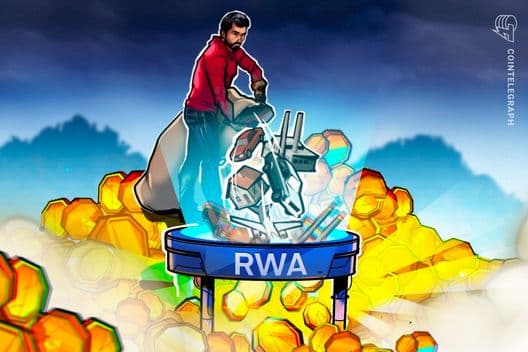
The Untapped Potential of Tokenized Real-World Assets (RWAs)
The cryptocurrency landscape is constantly evolving, and one of the most significant narratives gaining traction is the tokenization of real-world assets (RWAs). This innovative movement, which transforms tangible and intangible assets into digital tokens on a blockchain, has seen its market capitalization surge past an impressive $23 billion. For crypto traders and investors, this isn't just a technical curiosity; it represents a monumental shift, unlocking new avenues for diversification, yield generation, and market participation in an always-on global economy.
The appeal of RWAs lies in their ability to marry the stability and inherent value of traditional assets – like real estate, commodities, private credit, and even intellectual property – with the efficiency, transparency, and liquidity of blockchain technology. This fusion creates a powerful synergy, attracting both institutional capital seeking exposure to crypto innovation and retail investors looking for more stable, real-world backed investment opportunities.
Why Investors Are Flocking to Always-On Markets
The traditional financial world operates within restrictive hours, often limiting trading and settlement to specific timeframes. In stark contrast, blockchain-based markets are inherently 24/7, offering continuous access and instant settlement. This 'always-on' nature is a key driver behind the rapid growth of tokenized RWAs.
Bridging Traditional Finance and Decentralized Finance (DeFi)
- Uninterrupted Access: Investors can buy, sell, and trade tokenized assets at any time, from anywhere, eliminating geographical and temporal barriers.
- Enhanced Liquidity: By making illiquid assets tradable on global blockchain networks, tokenization significantly boosts their liquidity, allowing for easier entry and exit from positions.
- Increased Transparency: Blockchain's immutable ledger provides a clear, verifiable record of ownership and transactions, fostering trust and reducing counterparty risk.
This seamless integration between traditional and decentralized finance is particularly attractive to institutional players who are keen to leverage blockchain's efficiencies without abandoning the familiarity of real-world asset classes. For individual traders, it means new tools to diversify portfolios beyond volatile crypto-native assets, tapping into markets previously inaccessible or too cumbersome.
Unlocking New Opportunities: Fractionalization and Accessibility
One of the most revolutionary aspects of tokenization is fractional ownership. Imagine owning a fraction of a commercial building, a rare piece of art, or a high-yielding private credit portfolio without needing substantial upfront capital. RWAs make this a reality:
- Democratizing Investment: High-value assets can be divided into smaller, affordable tokens, opening up investment opportunities to a broader range of investors who might otherwise be priced out.
- Portfolio Diversification: Traders can easily diversify their portfolios by allocating small amounts across various tokenized assets, reducing overall risk exposure.
- New Yield Strategies: RWAs can be integrated into DeFi protocols, allowing investors to use them as collateral for loans, provide liquidity, or earn yield through various lending and borrowing platforms.
Key Players and Protocols Driving the RWA Revolution
The burgeoning RWA sector is supported by a growing ecosystem of specialized protocols and platforms. These innovators are building the infrastructure necessary to tokenize, manage, and trade real-world assets on-chain:
- Ondo Finance: A prominent player offering tokenized versions of U.S. Treasuries and money market funds, providing stable, yield-bearing assets on-chain.
- Centrifuge: Focuses on bringing real-world credit onto the blockchain, enabling businesses to access financing from DeFi liquidity pools and investors to earn yield from real-world invoices and assets.
- Maple Finance: A decentralized corporate credit market that allows institutional borrowers to access capital from DeFi lenders, bridging the gap between traditional lending and blockchain.
- MakerDAO: One of the largest DeFi protocols, which has increasingly diversified its collateral backing the DAI stablecoin to include RWAs like tokenized U.S. Treasury bonds, enhancing stability and yield.
These platforms are not just tokenizing existing assets; they are creating entirely new financial primitives, expanding the utility and reach of decentralized finance.
The Investment Edge: What This Means for Crypto Traders
For those navigating the often-volatile crypto markets, tokenized RWAs offer a compelling proposition:
Diversification and Stable Yields
RWAs can act as a counterbalance to the inherent volatility of crypto-native assets. By investing in tokenized versions of real estate, government bonds, or corporate credit, traders can introduce assets with more predictable cash flows and lower correlation to the broader crypto market. This can lead to more stable portfolio performance and access to yields derived from established, off-chain economic activity.
Identifying Emerging Trends and Signal Opportunities
The rapid growth of the RWA sector is a clear market signal. Traders should monitor the development of RWA protocols, the types of assets being tokenized, and the flow of institutional capital into this space. Early identification of promising RWA projects or categories could provide significant alpha opportunities. Furthermore, understanding which RWAs are gaining traction can offer insights into broader economic trends and investor sentiment.
Navigating the Future: Challenges and Opportunities
While the potential of tokenized RWAs is immense, challenges remain. Regulatory clarity is still evolving across different jurisdictions, and the legal frameworks for enforcing ownership of tokenized assets in the real world are being developed. Furthermore, reliance on robust oracle networks to bring off-chain data on-chain, and the inherent smart contract risks, require careful consideration.
Despite these hurdles, the trajectory for tokenized RWAs is overwhelmingly positive. Analysts project continued exponential growth, with some estimates suggesting a 66% rise by 2026. This indicates a strong belief in the long-term value proposition of connecting traditional finance with the efficiency and innovation of blockchain technology.
Conclusion
The surge of tokenized real-world assets past the $23 billion mark is more than just a statistic; it's a testament to a fundamental shift in how we perceive and interact with value. For crypto traders, RWAs represent a pivotal new frontier – offering enhanced diversification, access to stable yields, and the unique advantage of always-on markets. As this sector matures, understanding and strategically engaging with tokenized RWAs will become an increasingly vital component of a well-rounded and forward-looking investment strategy in the decentralized future.
Source: CoinTelegraph
Ready to Trade Smarter?
Join thousands of traders using AI-powered signals, real-time analytics, and on-chain intelligence to stay ahead of the market.
Start Free — No Credit Card Needed