Thailand's Major Crypto AML Crackdown Freezes 10,000 Accounts: What Traders Need to Know
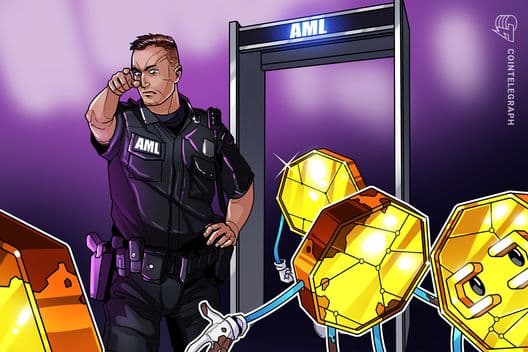
Thailand's Crypto Market Undergoes Major AML Scrutiny
The digital asset landscape in Thailand is currently experiencing a profound shift, as major crypto operators have collectively frozen more than 10,000 user accounts. This widespread action is a direct consequence of an intensified anti-money laundering (AML) crackdown, initiated in close collaboration with the Thai Anti-Money Laundering Office (AMLO) and the Securities and Exchange Commission (SEC). For active traders and investors in the crypto space, this development is not merely a localized event but a significant indicator of the evolving regulatory environment.
The move highlights a concerted effort by Thai authorities to enhance the integrity of its digital asset ecosystem, ensuring it aligns with international financial standards and combats illicit activities. While such measures can cause immediate disruption for affected users, they also underscore a growing global trend towards legitimizing the crypto sector through robust compliance frameworks.
The Imperative of Anti-Money Laundering in Digital Assets
Anti-Money Laundering (AML) regulations are the cornerstone of global financial security, designed to prevent criminals from disguising illegally obtained funds as legitimate income. In the rapidly evolving world of cryptocurrencies, the pseudo-anonymous nature and borderless transactions often make digital assets attractive for illicit finance, including drug trafficking, terrorism financing, and fraud.
International bodies like the Financial Action Task Force (FATF) have long advocated for stringent AML/CFT (Combating the Financing of Terrorism) standards to be applied to virtual assets and virtual asset service providers (VASPs). Thailand, as a member of the global financial community, is increasingly aligning its regulatory framework with these international benchmarks. This recent crackdown is a clear manifestation of that commitment, aiming to:
- Enhance Financial Integrity: Safeguard the Thai financial system from being exploited for criminal purposes.
- Protect Investors: While seemingly disruptive, AML measures ultimately create a safer and more trustworthy environment for legitimate investors by reducing the prevalence of scams and illicit schemes.
- Boost International Confidence: A robust regulatory stance can attract more institutional investment and foster greater confidence from traditional financial sectors.
Details of the Thai Crackdown: What Happened?
The freezing of over 10,000 accounts is an unprecedented coordinated effort among licensed digital asset exchanges in Thailand. The action was reportedly triggered by suspicious transaction patterns and concerns over incomplete or fraudulent Know Your Customer (KYC) information associated with these accounts. Collaborating closely with law enforcement agencies, the platforms identified and acted upon accounts flagged for potential involvement in money laundering or other financial crimes.
This is not a random or arbitrary move. It reflects a systematic review and tightening of compliance protocols across the industry. For users whose accounts have been frozen, it typically means their funds are inaccessible, and they will likely be required to provide additional documentation, clarify transaction histories, or face potential investigations. The scale of this operation indicates a deep dive into user data and transactional flows, signifying a new era of scrutiny for crypto users in the region.
Implications for Crypto Traders and the Wider Market
For individuals actively trading cryptocurrencies, the Thai account freeze serves as a potent reminder of several critical aspects:
1. The Primacy of KYC and Compliance
This incident underscores that KYC (Know Your Customer) and AML checks are not mere formalities but essential components of operating within regulated crypto markets. Traders must ensure their personal information on exchanges is accurate, up-to-date, and verifiable. Any discrepancies or suspicious activity can trigger account freezes and potentially lead to legal complications.
2. Regulatory Risk is Real
While crypto markets are known for volatility, regulatory risk is an often-underestimated factor. Changes in policy, stricter enforcement, or international pressure can significantly impact market access and the ability to move funds. Traders operating across different jurisdictions must stay informed about the local regulatory landscape.
3. Legitimacy vs. Anonymity
The crackdown reinforces the ongoing tension between crypto's foundational principles of decentralization and pseudonymity, and the demands of traditional financial regulation for transparency and accountability. As the industry matures, the balance is increasingly tipping towards greater oversight, which, while reducing privacy, aims to foster greater trust and broader adoption.
4. A Global Trend Toward Harmonization
Thailand's actions are not isolated. Jurisdictions worldwide are actively working to establish clearer regulatory frameworks for digital assets. From the EU's MiCA regulation to ongoing discussions in the US and other Asian markets, the trend is clear: crypto is moving out of the regulatory gray area and into a more structured, compliant environment. This means similar crackdowns could occur elsewhere.
What NexCrypto Traders Should Do
In light of these developments, prudent traders and investors should consider the following best practices:
- Choose Licensed and Regulated Platforms: Prioritize exchanges that are fully licensed and compliant with local financial regulations. These platforms often have more robust AML/KYC procedures, which, while sometimes cumbersome, offer a higher degree of security and legal recourse.
- Maintain Impeccable KYC Records: Ensure all your personal and financial information on exchanges is accurate, complete, and regularly updated. Be prepared to provide source-of-funds documentation if requested.
- Understand Regional Regulations: If you trade across multiple platforms or jurisdictions, familiarize yourself with the specific AML/KYC requirements and regulatory nuances of each region.
- Diversify and Manage Risk: While this advice is standard, it extends to regulatory risk. Do not keep all your funds on a single exchange, especially if you are concerned about potential regional crackdowns.
- Stay Informed: Regularly follow news and updates from regulatory bodies and reputable crypto news sources to anticipate potential policy changes that could impact your trading activities.
The Future of Crypto Regulation in Southeast Asia and Beyond
The Thai crackdown is a powerful signal that Southeast Asia is serious about bringing its digital asset markets into alignment with global financial crime prevention standards. This proactive stance, while potentially causing short-term friction, is ultimately beneficial for the long-term health and legitimacy of the crypto industry. It paves the way for greater institutional participation, clearer legal frameworks, and a safer environment for legitimate innovation.
As the line between traditional finance and decentralized finance continues to blur, expect more concerted efforts from governments worldwide to enforce compliance. For traders, adapting to this evolving regulatory landscape is no longer optional but a fundamental aspect of successful and secure engagement with digital assets.
Source: CoinTelegraph
Ready to Trade Smarter?
Join thousands of traders using AI-powered signals, real-time analytics, and on-chain intelligence to stay ahead of the market.
Start Free — No Credit Card Needed