TD Securities: NYSE Tokenization Signals Major Institutional Shift for Digital Assets
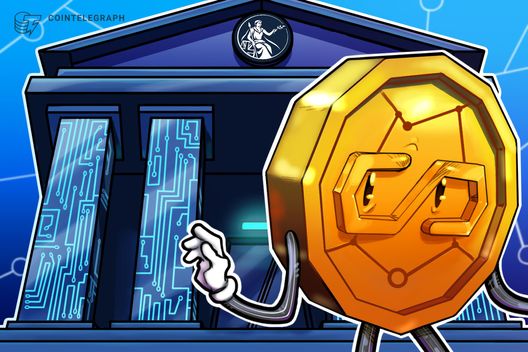
The Digital Transformation of Traditional Finance
The financial world is undergoing a seismic shift, with the robust infrastructure of traditional finance (TradFi) increasingly embracing the innovative power of blockchain technology. At the forefront of this evolution is the New York Stock Exchange (NYSE), which has openly signaled its intent to explore tokenized stocks. This isn't just a minor technical upgrade; it's a profound strategic move that leading financial institutions are recognizing as a game-changer. Among them, TD Securities stands out, viewing the NYSE's foray into tokenization as a critical turning point for institutional engagement with digital assets.
For crypto traders and investors, this development is more than just headline news. It represents a fundamental reshaping of market structures, liquidity pools, and the very nature of asset ownership. Understanding the implications of such a monumental shift is crucial for navigating the evolving landscape and identifying potential trading opportunities.
TD Securities' Perspective: A Game-Changer for Institutional Adoption
TD Securities, a major player in capital markets, isn't shy about its assessment: the NYSE's exploration of tokenization is a significant catalyst for institutional adoption. Their analysis suggests that the move by such a venerable and influential institution like the NYSE provides a powerful validation for blockchain-based assets. Why is this so crucial?
-
Regulatory Clarity and Trust:
The NYSE operating in a highly regulated environment means any tokenization efforts would likely adhere to stringent compliance standards. This provides a much-needed layer of regulatory clarity and trust, easing concerns for institutional investors who prioritize security and legal certainty above all else.
-
Scale and Infrastructure:
The NYSE possesses unparalleled scale and a robust infrastructure. Their entry into tokenization implies the development of systems that can handle vast volumes and complex transactions, a prerequisite for attracting large institutional capital that has previously been hesitant due to scalability concerns in nascent crypto markets.
-
Mainstream Validation:
When an institution like the NYSE adopts a technology, it sends a clear signal to the broader financial industry that digital assets are not a fringe phenomenon but a legitimate and integral part of the future financial ecosystem.
Unlocking Enhanced Market Efficiency and Liquidity
The promise of tokenization extends far beyond mere digital representation. It offers tangible improvements to market efficiency and liquidity that could revolutionize how assets are traded globally:
-
Fractional Ownership: Tokenization enables the fractional ownership of high-value assets (e.g., real estate, private equity, art), democratizing access and opening markets to a wider range of investors.
-
24/7 Trading: Unlike traditional markets with fixed trading hours, blockchain-based tokens can be traded around the clock, enhancing liquidity and price discovery.
-
Faster Settlement: Blockchain technology facilitates near-instantaneous settlement, drastically reducing the T+2 or T+3 settlement cycles common in traditional markets. This frees up capital and reduces counterparty risk.
-
Increased Transparency: The immutable ledger of a blockchain provides an unprecedented level of transparency and auditability for transactions.
Bridging the Gap: TradFi Meets DeFi
The NYSE's move is a significant step in the ongoing convergence of TradFi and decentralized finance (DeFi). While the NYSE's approach will likely be permissioned and centralized, it lays the groundwork for future interoperability and collaboration. This could lead to:
Hybrid models that blend the regulatory robustness of TradFi with the innovation and efficiency of DeFi.
New financial products that leverage both traditional asset classes and blockchain's unique capabilities.
A potential influx of institutional capital into DeFi protocols as trust and integration grow.
Opportunities and Challenges for Traders and Investors
For those actively involved in crypto trading, this institutional shift presents both exciting opportunities and critical challenges:
Opportunities:
New Asset Classes: Expect a proliferation of tokenized real-world assets, offering diversification beyond traditional crypto assets.
Enhanced Liquidity: Increased institutional participation often leads to deeper markets, potentially resulting in tighter spreads and more efficient execution.
Arbitrage Potential: Discrepancies between traditional and tokenized markets could create lucrative arbitrage opportunities for savvy traders.
Derivative Markets: The growth of tokenized assets will likely spur the development of new derivative products, offering advanced hedging and speculative strategies.
Challenges and Considerations:
Regulatory Landscape: While the NYSE's involvement brings some clarity, the global regulatory framework for tokenized securities is still evolving and can vary significantly by jurisdiction.
Interoperability: Ensuring seamless interaction between different blockchain networks and traditional systems remains a technical hurdle.
Market Fragmentation: The emergence of multiple tokenization platforms could initially lead to market fragmentation before consolidation occurs.
Technological Risk: Security vulnerabilities, smart contract risks, and potential exploits remain a concern, requiring robust due diligence.
The Road Ahead: What to Watch For
As this transformation gathers pace, traders should keep a close eye on several key areas:
Regulatory Milestones: Any guidance or rulings from bodies like the SEC regarding tokenized securities will be critical.
Pilot Programs: Observe the outcomes of any NYSE pilot programs or partnerships involving tokenized assets.
Technological Standards: The development of common standards for tokenized assets will be vital for widespread adoption and interoperability.
Institutional Adoption Metrics: Track the volume of institutional capital flowing into tokenized assets and the types of institutions participating.
Conclusion: A New Horizon for Digital Asset Trading
TD Securities' assessment underscores a profound shift in the financial paradigm. The NYSE's venture into tokenized stocks is not merely an experiment; it's a powerful affirmation of blockchain's potential to redefine capital markets. For traders and investors on platforms like NexCrypto, this signals a new horizon filled with unprecedented opportunities, but also demands a proactive approach to understanding evolving market dynamics, regulatory changes, and technological advancements. The future of finance is increasingly digital, and staying informed will be the key to success in this exciting new era.
Ready to Trade Smarter?
Join thousands of traders using AI-powered signals, real-time analytics, and on-chain intelligence to stay ahead of the market.
Start Free — No Credit Card Needed