Strait of Hormuz Transit Fees: Geopolitical & Crypto Impact
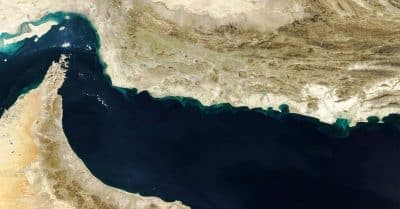
The Strait of Hormuz, a narrow waterway connecting the Persian Gulf to the open ocean, is arguably the world's most critical oil chokepoint. With roughly one-fifth of global petroleum consumption and one-third of the world's liquefied natural gas (LNG) passing through it daily, any development concerning its transit is bound to send ripples across international markets. Recent discussions between Iran and Oman regarding the imposition of transit fees during a potential ceasefire in the region introduce a new layer of complexity, threatening to reshape global energy dynamics and, by extension, influence the volatile cryptocurrency market. Understanding these geopolitical shifts is paramount for traders seeking to navigate an increasingly interconnected global economy.
Understanding the Strait of Hormuz Transit Fee Proposal
The Strait of Hormuz is more than just a shipping lane; it's a strategic artery vital for global energy security. For decades, its free passage has been a cornerstone of international trade, albeit often under the shadow of regional tensions. The proposal by Iran and Oman to levy transit fees on vessels passing through the Strait, particularly during a period of a potential ceasefire, marks a significant departure from existing norms. While the specifics of these fees and their implementation remain fluid, the very notion introduces a new economic variable into a region already fraught with geopolitical sensitivities.
Historical Context of the Strait's Importance
Historically, the Strait of Hormuz has been a flashpoint for numerous international incidents, underscoring its pivotal role. From tanker wars in the 1980s to more recent confrontations, the region's stability has always been a barometer for global oil prices. The 39-kilometer wide passage is governed by international maritime law, primarily the United Nations Convention on the Law of the Sea (UNCLOS), which guarantees the right of transit passage. Any unilateral imposition of fees would inevitably spark international debate regarding sovereignty, international law, and the economic burden placed on global trade. This latest development signals a potential shift in how key regional players seek to leverage their geographic advantage.
Geopolitical Implications and Regional Stability
The introduction of transit fees in the Strait of Hormuz carries profound geopolitical implications. For Iran and Oman, it could represent a new revenue stream, potentially bolstering their economies. However, for the international community, particularly major oil-consuming nations and shipping companies, it means increased costs and potential legal challenges. This move could redefine the balance of power in the Gulf, allowing Iran and Oman to exert greater economic influence over global energy flows.
Furthermore, the timing of this proposal, amidst discussions of a ceasefire, adds another layer of complexity. While a ceasefire generally implies a de-escalation of military conflict, linking it to new transit fees could be interpreted as an economic leveraging tactic. Such actions could strain diplomatic relations, potentially leading to retaliatory measures or efforts by other nations to seek alternative, albeit often more expensive, energy supply routes. The delicate equilibrium of regional stability could be further tested, impacting everything from insurance premiums for shipping to long-term investment decisions in the Middle East.
Potential Impact on Global Energy Markets and Trade
The direct consequence of new transit fees would be an increase in the cost of transporting oil and gas. Shipping companies would pass these costs onto consumers, leading to higher prices for crude oil, refined products, and LNG globally. This inflationary pressure would be felt across various sectors, from manufacturing to transportation, ultimately impacting household budgets worldwide. Energy markets, already sensitive to supply disruptions and demand fluctuations, would likely react with increased volatility.
Economic Repercussions for Oil Consumers
Major oil importers, such as China, India, Japan, and European nations, would face significant economic repercussions. Higher energy costs could dampen economic growth, accelerate inflation, and put pressure on national budgets. Companies reliant on global supply chains that traverse the Strait would also see their operational costs rise, potentially leading to price increases for a wide array of goods. Moreover, the uncertainty surrounding such fees could deter investment in the region and encourage a renewed focus on diversifying energy sources and routes, although such shifts take considerable time and capital.
How Geopolitical Shifts Influence Cryptocurrency Markets
While the Strait of Hormuz directly impacts traditional energy markets, its ripple effects are increasingly felt within the cryptocurrency ecosystem. Geopolitical events, especially those threatening global economic stability or fostering uncertainty, often trigger shifts in investor sentiment across all asset classes. Cryptocurrencies, particularly Bitcoin, are sometimes viewed as a hedge against traditional market instability or fiat currency devaluation, while at other times they are treated as risk assets that decline alongside equities.
When major geopolitical events, like new transit fees in a critical chokepoint, emerge, institutional and retail investors reassess their portfolios. Increased risk aversion in traditional markets can lead to capital flight into perceived safe havens, which for some, includes crypto. Conversely, extreme uncertainty can lead to a broad sell-off across all asset classes as investors seek liquidity. The interconnectedness of global finance means that disruptions in one sector, like energy, can quickly translate into volatility in others, including digital assets. Understanding these complex correlations is vital for making informed trading decisions.
Navigating Volatility with AI-Powered Trading Signals
In an era where geopolitical developments can instantly reshape market dynamics, staying ahead requires sophisticated tools. This is where platforms like NexCrypto become indispensable. Our AI-powered crypto and forex trading signal platform is designed to cut through the noise, providing traders with timely, data-driven insights to navigate market volatility.
NexCrypto's advanced algorithms continuously monitor global events, market trends, and technical indicators, including the potential impacts of geopolitical shifts like those in the Strait of Hormuz. By processing vast amounts of information far quicker and more accurately than human analysis, our platform generates precise trading signals, helping users identify potential opportunities and manage risks effectively. Whether the market reacts to rising oil prices or shifts in global trade policies, NexCrypto aims to equip you with the foresight needed to make smarter, more confident trades.
Leveraging Predictive Analytics for Smarter Trades
Our platform leverages predictive analytics to anticipate market movements. This means that instead of reacting to news after it breaks, NexCrypto aims to provide signals that factor in potential future scenarios. For instance, if geopolitical tensions surrounding the Strait of Hormuz escalate, potentially impacting oil prices and broader economic sentiment, our AI can analyze historical correlations and current market conditions to suggest optimal entry and exit points for relevant crypto or forex pairs. This proactive approach significantly enhances a trader's ability to capitalize on market shifts, turning potential threats into opportunities. Explore more insights on our blog.
The proposed transit fees in the Strait of Hormuz underscore the intricate web connecting geopolitics, energy markets, and the burgeoning world of digital assets. As global events continue to shape economic landscapes, the ability to interpret these signals and react decisively becomes a critical advantage for traders. NexCrypto empowers you with the cutting-edge AI technology needed to navigate these complex waters, transforming uncertainty into actionable intelligence. Don't let geopolitical shifts catch you off guard; leverage the power of AI to refine your trading strategy. Sign up for NexCrypto today and take control of your financial future.
Source: Crypto Briefing
Ready to Trade Smarter?
Join thousands of traders using AI-powered signals, real-time analytics, and on-chain intelligence to stay ahead of the market.
Start Free — No Credit Card Needed