Strait of Hormuz Security Escalates: What It Means for Crypto
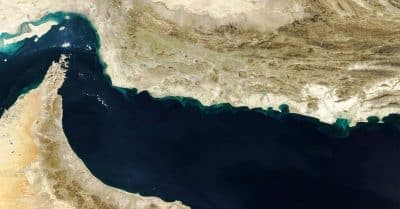
The geopolitical landscape is a constant ebb and flow, with regional decisions often sending ripples across global markets. Recently, reports indicate the United Arab Emirates (UAE) is contemplating joining a US-led coalition aimed at enhancing Strait of Hormuz security. This development, following a significant rescue operation, highlights the ongoing volatility in a critical global artery. For crypto and forex traders, such shifts are not mere headlines; they are potential catalysts for market movements, demanding keen attention and sophisticated tools to navigate.
The Strategic Importance of Strait of Hormuz Security
The Strait of Hormuz is more than just a waterway; it's a vital choke point connecting the Persian Gulf to the open ocean, through which roughly one-fifth of the world's oil supply, alongside vast quantities of liquefied natural gas (LNG), passes daily. Any disruption to Strait of Hormuz security has immediate and profound implications for global energy prices, shipping costs, and international trade. Historically, periods of heightened tension in this region have coincided with spikes in crude oil prices, impacting everything from manufacturing costs to consumer spending power worldwide. For crypto markets, which often react to broader economic sentiment and liquidity shifts, such events can trigger significant volatility.
Geopolitical Risks and Their Global Economic Fallout
Geopolitical events, particularly those involving critical trade routes, are major drivers of market uncertainty. A decision by the UAE, a key player in the Middle East, to formally join a security coalition in the Strait of Hormuz signals a perceived escalation of threats in the region. This perception alone can lead to a 'risk-off' sentiment among investors, prompting a flight to perceived safe-haven assets or a sell-off in more volatile ones, including cryptocurrencies.
Beyond Oil: Broader Implications for Global Trade Routes
While oil is the most immediate concern, the Strait's importance extends to other commodities and general cargo. Increased security measures or, conversely, perceived instability, can lead to higher insurance premiums for shipping, longer transit times, and ultimately, increased costs for goods globally. This can fuel inflation, impact supply chains, and reduce consumer confidence, all of which indirectly influence the crypto market's trajectory. Traders must consider how these macro-economic pressures might affect investor appetite for digital assets.
How Oil Prices Influence Crypto Market Volatility
The relationship between traditional commodities like oil and nascent markets like crypto is often underestimated. When oil prices surge due to geopolitical tensions, it can lead to inflationary pressures globally. Central banks might respond with tighter monetary policies, such as interest rate hikes, which tend to reduce liquidity in financial systems. Reduced liquidity often translates to less capital flowing into speculative assets like cryptocurrencies, leading to downward pressure or increased volatility. Conversely, a stable or declining oil price can ease inflationary fears, potentially creating a more favorable environment for crypto growth.
The Interconnectedness of Forex and Digital Assets
Geopolitical shifts also have a direct impact on the forex market. Currencies of oil-producing nations, or those heavily reliant on global trade, can experience significant fluctuations. These movements in major fiat currencies often have a knock-on effect on crypto. For instance, a stronger US dollar, often seen as a safe haven during global uncertainty, can make dollar-denominated assets like Bitcoin relatively more expensive for international buyers, potentially dampening demand. Understanding these intricate connections is crucial for holistic market analysis.
Navigating Uncertainty with AI-Powered Trading Signals
In an increasingly complex and interconnected global market, staying ahead of geopolitical developments and their multifarious impacts is a formidable challenge. This is where advanced tools become indispensable. Platforms like NexCrypto leverage sophisticated AI and machine learning algorithms to analyze vast amounts of market data, including geopolitical news, economic indicators, and historical price movements, to generate precise crypto and forex trading signals.
- Data-Driven Insights: AI can process geopolitical news and its historical market reactions far faster than any human, identifying patterns that might otherwise be missed.
- Reduced Emotional Trading: Signals provide objective entry and exit points, helping traders avoid impulsive decisions driven by fear or greed during volatile periods.
- Risk Management: By providing clear, actionable signals, AI tools empower traders to implement more effective risk management strategies, crucial when markets are unpredictable.
The potential for increased Strait of Hormuz security measures, while aimed at stability, introduces new variables into the global economic equation. For traders, this translates to heightened market sensitivity to geopolitical headlines, energy prices, and currency fluctuations.
As the world watches the developments in the Strait of Hormuz, the need for informed decision-making in trading becomes paramount. Geopolitical events will continue to shape financial markets, creating both risks and opportunities. By utilizing advanced AI-powered platforms like NexCrypto, traders can gain a competitive edge, transforming complex geopolitical narratives into actionable trading strategies. Don't let market uncertainty catch you off guard; leverage cutting-edge technology to stay informed and make smarter trades. Sign up for free at NexCrypto today and empower your trading journey.
Source: Crypto Briefing
Ready to Trade Smarter?
Join thousands of traders using AI-powered signals, real-time analytics, and on-chain intelligence to stay ahead of the market.
Start Free — No Credit Card Needed