South Korea's Tokenization Drive: A Capital Market Revolution, Not Just Crypto Hype
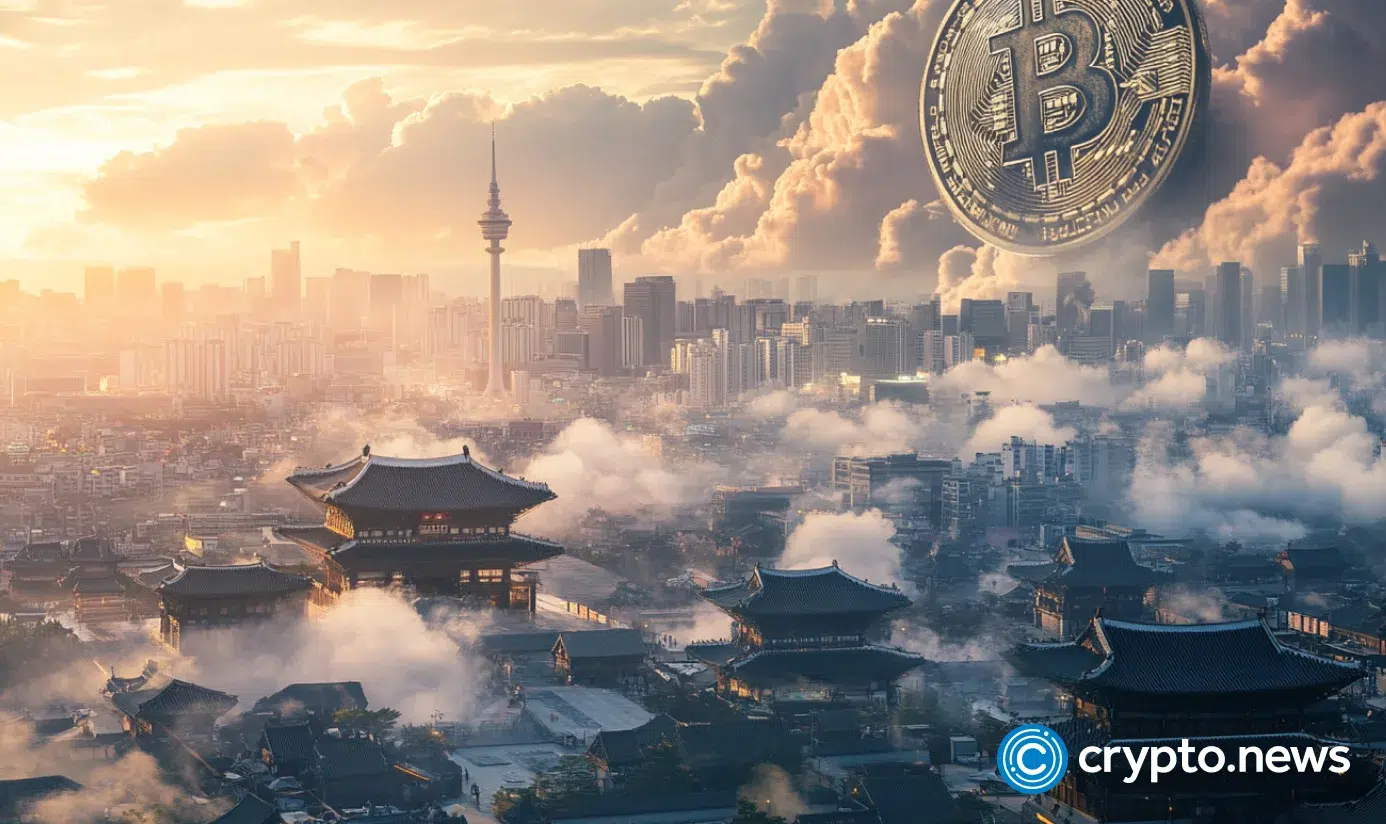
South Korea's Tokenization Drive: A Capital Market Revolution, Not Just Crypto Hype
The global financial landscape is undergoing a profound transformation, and South Korea is emerging as a pivotal player in shaping its future. While much of the recent buzz around digital assets has centered on volatile cryptocurrencies and NFTs, Korea's approach to tokenization reveals a far more strategic and institutionally focused ambition: a fundamental overhaul of its traditional capital markets.
For investors and traders accustomed to navigating the dynamic crypto space, understanding this nuanced distinction is crucial. Korea isn't merely jumping on the blockchain bandwagon; it's meticulously constructing a regulatory and technological framework designed to digitize real-world assets, from real estate and equities to bonds and funds, unlocking unprecedented efficiencies and investment opportunities.
Beyond Speculation: The Core of Korea's Tokenization Vision
Unlike the retail-driven speculative frenzy often associated with the broader crypto market, South Korea's tokenization initiative, spearheaded by its Financial Services Commission (FSC), is deeply rooted in enhancing the existing financial system. The primary drivers are clear:
- Increased Efficiency: Blockchain technology can streamline complex processes involved in issuance, trading, and settlement of traditional assets, reducing manual errors and processing times.
- Reduced Costs: By cutting out intermediaries and automating operations, the costs associated with managing and transacting traditional securities can be significantly lowered.
- Enhanced Liquidity: Tokenization enables fractional ownership of high-value assets, making them accessible to a broader range of investors and potentially improving their tradability in secondary markets.
- Broader Access: Traditionally illiquid assets can be democratized, allowing both institutional and qualified retail investors easier entry and exit points.
This isn't about creating new forms of digital cash; it's about making existing, regulated financial instruments more robust, transparent, and accessible through distributed ledger technology (DLT).
The Regulatory Backbone: Paving the Way for Security Tokens
A key differentiator in Korea's strategy is its proactive stance on regulation. The FSC has been instrumental in developing a comprehensive framework for Security Token Offerings (STOs) and the subsequent trading of tokenized securities. This framework aims to:
- Provide Legal Clarity: Defining what constitutes a security token and how it interacts with existing securities laws removes ambiguity, a major barrier for institutional adoption.
- Ensure Investor Protection: By subjecting tokenized securities to similar regulatory oversight as traditional securities, investor confidence is bolstered, and market integrity is maintained.
- Foster Innovation Responsibly: The regulations are designed to encourage the development of new financial products and services while mitigating systemic risks.
This regulatory clarity is a game-changer. It signifies a mature approach, recognizing blockchain's potential to revolutionize finance without compromising stability or consumer safeguards. For trading signals platforms, this means a more predictable and legitimate environment for identifying new opportunities.
Transforming Traditional Markets: What This Means for Investors
The implications of Korea's tokenization shift for traditional capital markets are profound, opening up new avenues for savvy investors:
1. Real Estate and Illiquid Assets: Imagine owning a fraction of a prime Seoul skyscraper or a piece of valuable art. Tokenization makes this a reality, converting traditionally illiquid assets into divisible, tradable digital units. This could unlock significant capital previously trapped in these markets.
2. Bonds and Debt Instruments: Tokenized bonds can facilitate faster issuance, more efficient secondary market trading, and potentially even direct peer-to-peer lending models, reducing reliance on costly intermediaries.
3. Equities and Funds: While direct tokenization of major listed equities might be further off, the technology could enable more efficient fund management, faster settlement of trades, and the creation of innovative structured products.
4. New Investment Products: Expect to see a proliferation of new financial instruments built on tokenized assets. These could range from fractional ownership of private equity to tokenized carbon credits, all operating within a regulated framework.
Navigating the Opportunity: A Trading Signals Perspective
For the NexCrypto audience, Korea's tokenization push presents several key areas to monitor:
- Infrastructure Plays: Keep an eye on companies building the underlying technology, platforms, and services for security token issuance and trading. These 'picks and shovels' providers could see significant growth.
- Early-Stage Tokenized Assets: As the market matures, identifying well-regulated, high-quality tokenized assets (e.g., real estate projects, specific funds) could offer unique diversification and growth potential.
- Regulatory Benchmarking: Korea's framework could become a blueprint for other nations. Understanding its successes and challenges will provide insights into global trends in digital asset regulation.
- Market Liquidity: Monitor the liquidity development of newly tokenized markets. Higher liquidity generally translates to better trading opportunities and price discovery.
Distinguishing True Innovation from Speculative Noise
It's crucial to reiterate that Korea's tokenization initiative is distinct from the speculative crypto market. While both utilize blockchain, tokenized securities are backed by tangible assets or legal rights, subject to stringent financial regulations, and typically aimed at sophisticated or institutional investors. They are not designed to be volatile, unbacked digital currencies.
This clear demarcation by the FSC helps to legitimize the underlying technology for mainstream finance, separating the wheat from the chaff and paving a credible path for blockchain's integration into the global economy.
Conclusion: Korea's Blueprint for the Future of Finance
South Korea's strategic pivot towards tokenizing its capital markets is more than just a technological upgrade; it's a forward-thinking blueprint for the future of finance. By focusing on enhancing efficiency, reducing costs, and broadening access within a robust regulatory framework, Korea is not only modernizing its own financial system but also setting a precedent for how other developed economies might embrace blockchain technology responsibly.
For investors and traders, this shift signals the emergence of new, regulated investment opportunities and a clearer distinction between speculative digital assets and asset-backed tokenized securities. Staying informed about these developments will be key to identifying the next wave of innovation and potential market gains in the evolving digital economy.
Ready to Trade Smarter?
Join thousands of traders using AI-powered signals, real-time analytics, and on-chain intelligence to stay ahead of the market.
Start Free — No Credit Card Needed