South Korea Proposes 20% Shareholder Cap for Crypto Exchanges: A New Era of Digital Asset Governance
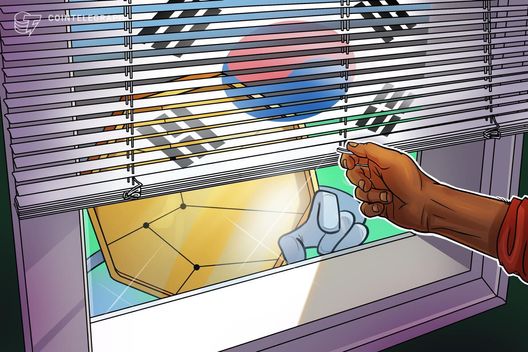
South Korea's Bold Regulatory Stance
The global cryptocurrency landscape is continually evolving, with regulatory bodies worldwide striving to establish robust frameworks that foster innovation while safeguarding investors. South Korea, a significant player in the digital asset space, is now making headlines with a groundbreaking proposal. The nation's financial authorities are reportedly advancing legislation to limit the ownership stakes of individuals and related entities in domestic crypto exchanges to a maximum of 20%. This move signals a strong intent to mature the digital asset market, bringing it closer to the stringent governance standards seen in traditional finance.
The Rationale Behind the 20% Cap
This proposed shareholder cap is not an arbitrary figure but a strategic decision rooted in several key objectives aimed at fortifying the integrity and stability of South Korea's crypto market.
Preventing Undue Influence and Market Manipulation
One of the primary drivers behind this regulation is the desire to prevent any single individual or closely-knit group from wielding excessive power over a crypto exchange's operations. In nascent markets, concentrated ownership can lead to potential conflicts of interest, decisions that favor specific parties over the broader market, or even facilitate market manipulation. By diversifying ownership, the authorities aim to create a more level playing field, reduce the risk of unilateral decisions impacting market liquidity, and enhance fairness for all participants.
Aligning with Traditional Financial Oversight
The 20% cap draws parallels with regulations already in place for traditional financial institutions in South Korea, such as banks and financial holding companies. These established limits are designed to prevent monopolistic control and ensure that critical financial infrastructure remains resilient and accountable to a wider range of stakeholders. Applying similar principles to crypto exchanges underscores the government's view of these platforms as integral components of the modern financial system, deserving of comparable oversight and governance structures.
Key Details of the Proposed Amendment
While specific details are still emerging, reports indicate that the proposed amendment to the Act on Reporting and Using Specified Financial Transaction Information will encompass not just direct individual ownership, but also stakes held by legal entities and special relationships. This comprehensive approach is crucial to prevent circumvention of the rules through complex corporate structures. The Financial Services Commission (FSC) is reportedly spearheading these efforts, signaling a serious and coordinated push towards tighter regulatory control.
Implications for Crypto Exchanges and Investors
The implementation of such a cap would undoubtedly have significant ramifications across the South Korean crypto ecosystem.
Restructuring Ownership and Enhancing Transparency
Existing exchanges with highly concentrated ownership structures may be compelled to undergo significant restructuring to comply with the new limits. This could lead to a wave of divestments, new equity issuances, and a broader distribution of shares. While potentially challenging in the short term, this process promises to enhance transparency, improve corporate governance, and make exchanges more resilient to internal pressures. For investors, this translates to greater confidence in the operational integrity of the platforms they use.
Impact on Liquidity and Institutional Interest
In the long run, enhanced governance and reduced risk of manipulation could make South Korea's crypto market more attractive to institutional investors. Institutions often shy away from markets perceived as lacking robust oversight or susceptible to single-entity influence. A more regulated and transparent environment could unlock new streams of institutional capital, potentially boosting liquidity and market depth across various digital assets.
What This Means for Traders and Market Stability
For traders using platforms like NexCrypto, regulatory developments like South Korea's proposed shareholder cap are crucial to monitor. Increased regulatory clarity and improved exchange governance generally lead to a more stable and predictable trading environment. Reduced potential for market manipulation or sudden policy shifts driven by concentrated ownership can lead to greater trust in exchange operations and asset pricing. This stability can translate into more reliable trading signals and a reduced risk profile for market participants. While immediate market reactions are always possible, the long-term outlook for a more robust and fair market could benefit all traders.
South Korea's Role in Global Crypto Regulation
South Korea has consistently been at the forefront of crypto adoption and innovation, making its regulatory moves influential on a global scale. This proposed shareholder cap positions the nation alongside other jurisdictions that are actively seeking to integrate digital assets into existing financial regulatory frameworks. It sets a precedent for how mature crypto markets might evolve, balancing the decentralized ethos of blockchain with the need for investor protection and systemic stability. This could inspire similar discussions and proposals in other countries grappling with the complexities of crypto oversight.
Conclusion: Towards a More Mature Digital Asset Ecosystem
South Korea's reported move to impose a 20% shareholder cap on crypto exchanges is a landmark development. It underscores a global trend towards greater financial oversight of the digital asset space, aiming to foster an environment of trust, transparency, and stability. While the immediate implications for exchanges and large investors will require careful navigation, the long-term benefits for market integrity, investor protection, and the overall maturation of the crypto industry could be profound. As these regulations take shape, NexCrypto will continue to monitor their impact, providing our community with the insights needed to navigate the evolving digital asset landscape.
Ready to Trade Smarter?
Join thousands of traders using AI-powered signals, real-time analytics, and on-chain intelligence to stay ahead of the market.
Start Free — No Credit Card Needed