SEC Chair Gensler Clarifies NFT Status: Why Most Aren't Securities (and What This Means for Traders)
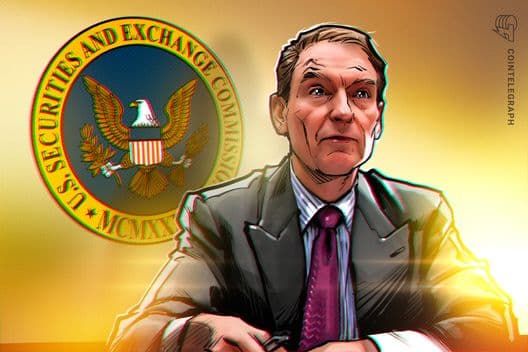
Decoding Gensler's Stance: A Breath of Fresh Air for NFT Enthusiasts?
In the often-murky waters of cryptocurrency regulation, any glimmer of clarity is welcomed. Recently, SEC Chair Gary Gensler, a figure frequently at the center of the debate surrounding digital assets, provided a significant insight: most Non-Fungible Tokens (NFTs) do not, in his view, qualify as securities. This statement, while offering a degree of relief and direction for the burgeoning NFT market, underscores the nuanced, case-by-case approach regulators are taking towards the vast and varied world of blockchain technology.
For traders and investors on platforms like NexCrypto, understanding these distinctions is paramount. It's not just about what an asset is, but also how it's perceived and regulated, as this can profoundly impact its market viability, liquidity, and long-term potential.
The Howey Test: The Litmus Paper for Digital Assets
At the heart of the SEC's classification framework for digital assets lies the venerable Howey Test. Originating from a 1946 Supreme Court case, this test determines whether a transaction qualifies as an "investment contract" and, therefore, a security. For an asset to be deemed a security under Howey, it must meet four criteria:
- An investment of money.
- In a common enterprise.
- With an expectation of profit.
- To be derived solely from the efforts of others.
Gensler's comments suggest that most NFTs, in their current form, typically fail to satisfy all elements of this test, particularly the final two prongs, which focus on the expectation of profit from the efforts of others.
Why Your PFP Might Not Be a Security
When we talk about "most NFTs," Gensler is primarily referring to the popular digital collectibles, often profile pictures (PFPs), generative art, or unique digital artifacts. Here's why these generally don't fit the Howey mold:
- Unique Collectible Nature: Unlike shares in a company or units in a speculative venture, many NFTs are valued for their artistic merit, scarcity, historical significance, or community membership rather than an explicit promise of financial return from the issuer's efforts.
- Lack of "Investment Contract" Expectation: While an NFT holder might hope their asset appreciates in value, this appreciation isn't typically tied to the ongoing, managerial, or entrepreneurial efforts of the initial issuer in the same way a stock's value is tied to a company's performance. The value often arises from secondary market demand, community enthusiasm, or the broader cultural relevance of the collection.
- Decentralized Value Creation: For many successful NFT projects, value creation is highly decentralized, driven by the community, independent artists, and a network effect, rather than a centralized entity promising profit.
This distinction is crucial. It differentiates a digital collectible from a share in a startup, even if both might increase in value over time.
The Slippery Slope: When an NFT *Could* Cross the Line
It's vital to emphasize that Gensler's statement is not a blanket exemption for all NFTs. The regulatory landscape is complex, and certain NFT structures or marketing strategies could indeed trigger securities laws. Traders must be acutely aware of these potential pitfalls:
- Fractionalized NFTs: When a single, high-value NFT is broken down into multiple tradable tokens, these fractions could be viewed as investment contracts. Investors are putting money into a common enterprise (the fractionalized asset) with an expectation of profit derived from the management or appreciation of the underlying NFT.
- NFTs Bundled with Investment Opportunities: If an NFT confers rights to a revenue stream, a share in a pool of assets, voting rights in a DAO that manages investable capital, or is explicitly marketed with promises of future returns generated by the issuer's active efforts, it could easily be deemed a security.
- Utility-Driven NFTs with Profit Expectation: NFTs that grant access to exclusive investment opportunities, yield-generating protocols, or other financial benefits directly tied to the issuer's ongoing efforts could also be scrutinized. The "utility" here blurs the line with an investment contract.
- Misleading Marketing: How an NFT is promoted plays a significant role. If a project heavily emphasizes the investment potential and guaranteed returns from the team's work, it leans closer to a security offering.
Broader Implications for the Crypto Market and Regulation
Gensler's specific comments on NFTs highlight the SEC's continued reliance on existing securities laws, particularly the Howey Test, for classifying digital assets. While this offers some clarity for the core NFT market, it also reinforces:
- Case-by-Case Analysis: There is no one-size-fits-all approach. Each digital asset, and even different iterations of NFTs, will be evaluated based on its specific facts and circumstances.
- Focus on "Investment Contract" Intent: The SEC is primarily concerned with offerings that resemble traditional investment contracts, where individuals put capital at risk with an expectation of profit from others' efforts.
- Ongoing Uncertainty for Other Assets: This clarity for NFTs does not necessarily extend to other categories of cryptocurrencies, particularly those that were funded through initial coin offerings (ICOs) or have centralized teams actively developing and promoting their utility with an expectation of profit for holders.
This evolving regulatory landscape means that while the NFT space might breathe a collective sigh of relief, other sectors of the crypto market remain under intense scrutiny, underscoring the need for comprehensive and clear regulatory frameworks.
What NexCrypto Traders Need to Know
For NexCrypto users, this regulatory nuance presents both opportunities and risks. Here's what to consider:
- Due Diligence is Paramount: Always research the underlying structure, utility, and most importantly, the marketing of any NFT project. Understand how its value is generated and whether it relies on the ongoing efforts of a centralized team promising returns.
- Identify Edge Cases: Be wary of NFTs that promise direct financial returns, revenue shares, or are fractionalized without clear regulatory guidance. These are the areas where an NFT could transition from a collectible to a security, carrying different legal and financial implications.
- Market Sentiment and Regulatory Impact: Regulatory statements, even those offering clarity, can influence market sentiment. Positive clarification for NFTs could boost investor confidence in the sector, while potential enforcement actions against projects that blur the lines could cause market jitters.
- Stay Informed: The regulatory environment is dynamic. Keep abreast of further SEC statements, potential new legislation, and enforcement actions that could reshape the classification of digital assets.
- Diversify and Manage Risk: As with any emerging asset class, prudent risk management and diversification remain crucial. Understand that even "non-security" NFTs can be highly volatile and speculative.
Conclusion
Gary Gensler's explanation regarding the non-security status of most NFTs provides a much-needed distinction in the complex world of crypto regulation. While it offers a degree of certainty for digital collectibles, it also serves as a critical reminder that not all digital assets are created equal under the eyes of the law. For NexCrypto traders, this means a continued need for vigilance, thorough research, and an understanding of the subtle but significant differences that determine an asset's regulatory classification and, consequently, its potential market trajectory.
Source: CoinTelegraph
Ready to Trade Smarter?
Join thousands of traders using AI-powered signals, real-time analytics, and on-chain intelligence to stay ahead of the market.
Start Free — No Credit Card Needed