SEC Drops BitClout Case Against Nader Al-Naji: A Landmark Win for Decentralized Social?
SEC Drops BitClout Case Against Nader Al-Naji: A Landmark Win for Decentralized Social?
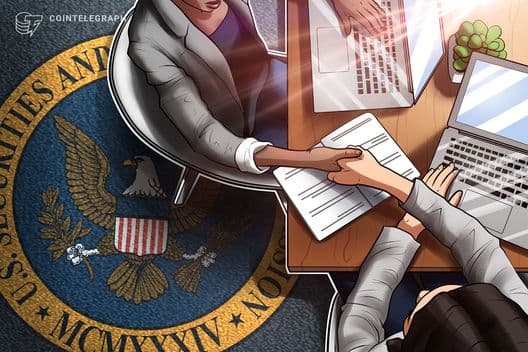
The U.S. Securities and Exchange Commission (SEC) has delivered a surprising turn in the ongoing saga of crypto regulation, dismissing its legal action against Nader Al-Naji, the founder behind the controversial BitClout project and its successor, the DeSo blockchain. This dismissal, notably “with prejudice,” signals a definitive end to the SEC’s pursuit against Al-Naji, raising questions and hopes across the decentralized finance (DeFi) and broader crypto communities.
The Genesis of BitClout and SEC Scrutiny
BitClout emerged in early 2021 as a novel, yet contentious, decentralized social media platform. Its core innovation revolved around “creator coins” – tokens tied to the reputation and influence of individuals, which could be bought and sold. While innovative, the platform quickly drew criticism for its initial pre-loading of profiles without user consent and, more importantly, for the nature of its native token, CLOUT, which the SEC later alleged was an unregistered security.
The SEC’s case against Al-Naji and his entities, Diamondhand Inc. and DeSo Foundation, centered on allegations that they offered and sold unregistered securities in the form of CLOUT tokens. The agency also claimed that Al-Naji failed to register as a broker-dealer. This move was part of a broader pattern of the SEC asserting jurisdiction over various digital assets, often through enforcement actions rather than clear regulatory guidelines.
What Does "Dismissed With Prejudice" Mean?
The term “dismissed with prejudice” is crucial in legal parlance. Unlike a dismissal “without prejudice,” which allows a plaintiff to refile the same case later, a dismissal “with prejudice” means the case is permanently closed and cannot be brought back to court on the same grounds. This makes the SEC’s decision a final and significant victory for Nader Al-Naji and, by extension, the DeSo ecosystem.
While the specific reasons for the SEC’s decision have not been explicitly detailed in public filings beyond the request for dismissal, it suggests a strategic choice by the agency not to pursue the matter further. This could be due to various factors, including the strength of the defense, evolving legal interpretations, or a reprioritization of enforcement efforts.
Implications for the DeSo Blockchain and Its Community
For the DeSo blockchain, which evolved from BitClout, this dismissal is an undeniable boon. The cloud of regulatory uncertainty that has hung over the project since the SEC’s allegations has now been lifted. This clarity can significantly boost investor confidence, encourage developer participation, and foster greater adoption of the decentralized social platform.
- Enhanced Trust: The legal victory can help rebuild trust among users and potential investors who may have been wary due to the ongoing lawsuit.
- Development Focus: With legal battles behind them, the DeSo team can fully concentrate on product development, innovation, and expanding their ecosystem.
- Market Reassessment: The market may now re-evaluate DeSo’s native token, DESO, potentially leading to increased trading activity and price stability as regulatory risk diminishes.
Broader Ramifications for Crypto Regulation
This dismissal arrives at a critical juncture for crypto regulation in the United States, where the industry has long clamored for clear guidelines rather than regulation by enforcement. While it's important not to overstate the precedent-setting nature of a single case dismissal, it does offer some intriguing insights:
- A Crack in the Enforcement Armor? The SEC has been aggressive in its stance that many cryptocurrencies are unregistered securities. This dismissal, while not a court ruling on the merits, suggests that even the SEC may find certain cases challenging to prosecute successfully.
- Decentralization Defense: It potentially highlights the efficacy of arguing genuine decentralization as a defense against securities claims, though the specifics of Al-Naji’s defense are not public.
- Contrast with Other Cases: This outcome stands in stark contrast to ongoing high-profile cases, such as the SEC's litigation against Ripple Labs over XRP, or its actions against major exchanges like Coinbase and Binance. It underscores the unique challenges and varying outcomes in the crypto legal landscape.
The crypto community will undoubtedly scrutinize this development for any signals regarding the SEC's future approach to digital assets, especially those with decentralized social or creator economy components.
What This Means for Traders and Investors
For NexCrypto's audience of traders and investors, this news carries several important takeaways:
- Reduced Regulatory FUD: For projects operating in the decentralized social and creator economy space, this dismissal could temporarily alleviate some of the regulatory fear, uncertainty, and doubt (FUD) that has plagued the sector.
- Due Diligence Remains Key: While a positive development, it doesn't mean all crypto projects are immune to regulatory scrutiny. Each project's structure, tokenomics, and level of decentralization will continue to be evaluated by regulators and the market.
- Market Sentiment Shift: A major legal win against the SEC can lead to a positive shift in overall market sentiment, particularly for projects perceived as being on the cutting edge of decentralization.
Conclusion: A Small Battle Won, The War for Clarity Continues
The SEC's dismissal of its case against Nader Al-Naji is a significant moment, offering a rare glimpse of a positive outcome for a crypto project facing federal enforcement. For the DeSo blockchain, it clears the path for renewed focus and growth. For the broader crypto industry, it's a testament to the complexities of applying existing securities laws to novel digital assets and perhaps a subtle indicator that the SEC's blanket approach isn't always ironclad.
While this particular battle has been won, the larger war for clear, comprehensive, and innovation-friendly crypto regulation in the United States is far from over. Traders and investors should continue to monitor regulatory developments closely, as they remain a primary driver of market sentiment and project viability.
Source: CoinTelegraph
Ready to Trade Smarter?
Join thousands of traders using AI-powered signals, real-time analytics, and on-chain intelligence to stay ahead of the market.
Start Free — No Credit Card Needed