SEC's Unprecedented Retreat: A 'Dismissal Wave' Shakes Crypto Regulatory Landscape
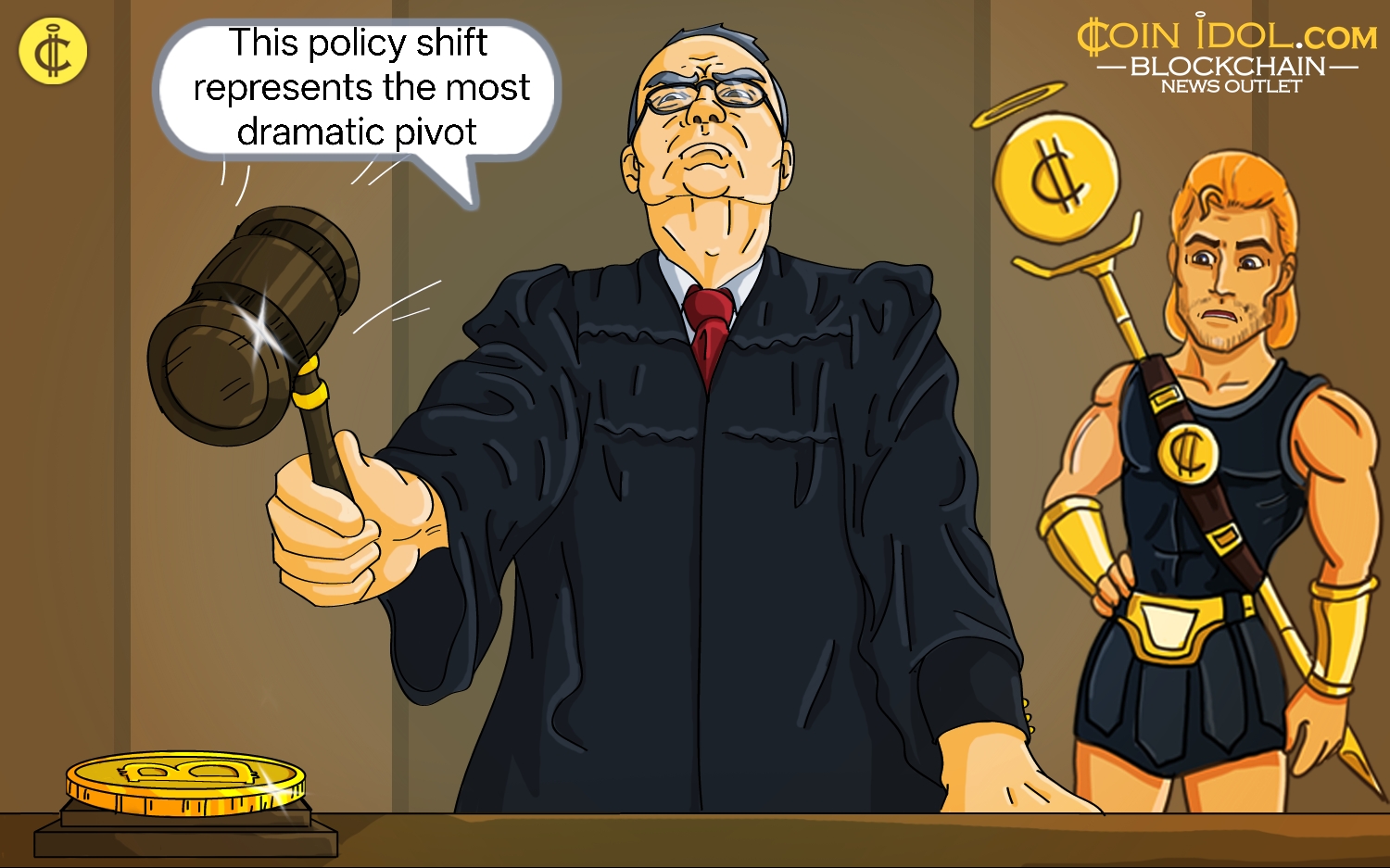
The Shifting Tides of Crypto Regulation: SEC's Unprecedented Retreat?
For years, the U.S. Securities and Exchange Commission (SEC) has been a formidable force in the cryptocurrency space, often perceived as an antagonist by many in the industry. Under Chairman Gary Gensler, the regulatory body has pursued an aggressive enforcement strategy, launching numerous lawsuits against crypto firms and individuals, asserting jurisdiction over digital assets. However, a recent and unexpected turn of events suggests a potential softening, or at least a recalibration, of this approach: an emerging 'dismissal wave' of cases.
This development is sending ripples through the crypto community, prompting speculation about the SEC's long-term strategy and its implications for market participants. For traders and investors reliant on signals and market insights, understanding the nuances of this regulatory pivot is paramount.
A Closer Look at the SEC's 'Dismissal Wave'
What exactly constitutes this 'dismissal wave'? It refers to the SEC's recent actions to withdraw or dismiss several lawsuits against various crypto entities and individuals. While the full scope of these dismissals is still unfolding, the very act of the SEC retreating from active litigation, especially after initiating it, is highly unusual and noteworthy.
This move stands in stark contrast to the SEC's prior posture, which often involved protracted legal battles and a steadfast refusal to back down. The current shift suggests either a strategic re-evaluation, an acknowledgment of weaknesses in certain cases, or perhaps a response to internal and external pressures.
The Debt Box Fiasco: A Catalyst for Change?
At the heart of this 'dismissal wave' and arguably its most significant catalyst is the SEC's deeply problematic lawsuit against Digital Licensing Inc., also known as Debt Box. This case has become a stark illustration of potential overreach and misconduct within the regulatory body itself.
-
Initial Accusations: The SEC initially accused Debt Box of operating an unregistered securities offering and a fraudulent scheme, leading to an asset freeze and other significant measures.
-
Court Findings of Misconduct: Crucially, the court overseeing the Debt Box case found that the SEC had made “materially false and misleading representations” to obtain a temporary restraining order and asset freeze. This included inaccuracies regarding the alleged transfer of funds and destruction of evidence by Debt Box.
-
Unprecedented Sanctions: In a highly unusual move, the court sanctioned the SEC, ordering it to pay hundreds of thousands of dollars in attorneys' fees to Debt Box. Furthermore, the court referred the conduct of the SEC's legal team for internal review and potential disciplinary action.
-
Internal Accountability: Following the court's findings, the SEC itself confirmed that it was investigating its own attorneys involved in the Debt Box case for potential misconduct. This level of internal accountability, forced by judicial intervention, is virtually unprecedented in recent SEC history.
The fallout from the Debt Box case has undoubtedly cast a long shadow over the SEC's enforcement tactics and may have forced a re-evaluation of its approach in other, potentially weaker, cases.
What This Means for the Crypto Landscape and Traders
The SEC's 'dismissal wave' carries profound implications for the entire crypto ecosystem, directly impacting market sentiment, regulatory outlook, and trading strategies.
Potential Softening of Regulatory Stance?
While it's too early to declare a complete shift, these dismissals could signal a more cautious or even less aggressive stance from the SEC moving forward. This might translate into:
- Fewer Aggressive Lawsuits: The SEC might be more selective in the cases it pursues, ensuring stronger evidence and clearer legal grounds.
- Increased Dialogue: Potentially, a greater willingness to engage in dialogue with crypto firms rather than immediately resorting to enforcement actions.
- Reduced Regulatory FUD: A decrease in the constant threat of litigation could alleviate some of the 'Fear, Uncertainty, and Doubt' (FUD) that often plagues the crypto markets, potentially fostering a more stable environment for innovation.
Repercussions for SEC Credibility
The Debt Box saga has undeniably dented the SEC's credibility. An agency tasked with protecting investors and ensuring fair markets being sanctioned for misleading the court raises serious questions about its internal processes and judgment. This could:
- Empower Defendants: Future crypto defendants might feel more emboldened to challenge the SEC's claims, knowing that the agency itself is not immune to judicial scrutiny.
- Demand for Clarity: Increase calls from lawmakers and industry participants for clearer regulatory frameworks, rather than regulation by enforcement.
Market Implications for Crypto Traders
For those leveraging trading signals and market analysis, these developments are crucial:
-
Short-Term Sentiment Boost: News of dismissals, especially following high-profile cases like Debt Box, can be perceived positively by the market, potentially leading to bullish sentiment for specific tokens or the broader market as regulatory pressure appears to ease.
-
Reduced Volatility (Potentially): A less confrontational regulatory environment could, in theory, lead to fewer sudden market shocks related to enforcement actions, contributing to more predictable price movements.
-
Focus on Fundamentals: With less regulatory FUD, market attention might shift back towards technological innovation, adoption rates, and project fundamentals, offering new opportunities for informed traders.
-
Caution is Key: It's important to remember that this is not a complete reversal of SEC policy. The agency still views many cryptocurrencies as securities. Traders should remain vigilant and not assume a complete 'green light' for all digital assets. Regulatory uncertainty remains a significant factor.
Navigating the Evolving Regulatory Waters
The crypto market thrives on information, and regulatory developments are often the most impactful. For NexCrypto users, staying informed about these shifts is critical. While a 'dismissal wave' might signal a temporary reprieve or a strategic adjustment, the underlying regulatory landscape remains complex and dynamic.
Platforms like NexCrypto provide valuable signals that can help interpret market reactions to such news, but understanding the root causes of these movements – like the SEC's evolving strategy – empowers traders to make more informed decisions. The ability to distinguish between genuine shifts and temporary fluctuations is what sets successful traders apart.
The Road Ahead: Uncertainty and Opportunity
The SEC's 'dismissal wave' marks a significant, perhaps transformative, moment in the history of crypto regulation. It challenges the established narrative of an unyielding regulatory body and opens the door for a potentially more nuanced approach to digital assets. While uncertainty persists, these developments also present unique opportunities for those who are prepared to adapt and capitalize on the changing tides.
As the crypto industry continues to mature, its relationship with regulators will undoubtedly remain a focal point. For now, the 'dismissal wave' offers a compelling narrative of an agency forced to confront its own missteps, potentially paving the way for a more measured and transparent regulatory future.
Ready to Trade Smarter?
Join thousands of traders using AI-powered signals, real-time analytics, and on-chain intelligence to stay ahead of the market.
Start Free — No Credit Card Needed