SEC's Crypto Stance: A Regulatory Marathon, Not a Sprint for Market Clarity
Navigating the Evolving Landscape of Digital Asset Regulation
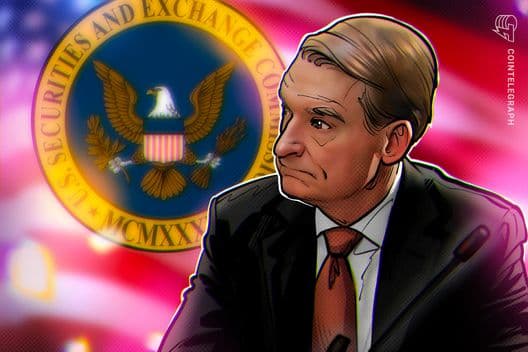
The cryptocurrency market, known for its rapid innovation and volatility, constantly grapples with the long shadow of regulatory uncertainty. In this dynamic environment, pronouncements from key figures within financial oversight bodies carry significant weight. A notable perspective comes from former U.S. Securities and Exchange Commission (SEC) Commissioner, Paul Atkins, who insightfully described the SEC's current interpretation of crypto laws as “a beginning, not an end.” For NexCrypto readers, understanding the implications of this ongoing regulatory journey is paramount for informed trading and investment strategies.
The 'Beginning, Not an End' Thesis: What It Means
Atkins' statement underscores a critical reality: the regulatory framework for digital assets is far from finalized. It's not a static set of rules but a continuous process of interpretation, adaptation, and, often, reactive enforcement. This means:
- Evolving Interpretations: The SEC is still figuring out how to apply existing securities laws, primarily the Securities Act of 1933 and the Securities Exchange Act of 1934, to a novel asset class that didn't exist when these laws were drafted.
- Lack of Tailored Legislation: There's no comprehensive, purpose-built federal legislation specifically for cryptocurrencies in the U.S. This forces the SEC to fit square pegs (digital assets) into round holes (traditional securities definitions).
- Enforcement-Driven Clarity: Much of the current 'guidance' comes through enforcement actions against projects and companies, rather than proactive rulemaking. This creates an environment where 'learning by doing' can be costly.
The Challenge of Retrofitting Old Laws to New Tech
The core of the regulatory dilemma lies in applying the Howey Test – a framework established in 1946 to determine what constitutes an 'investment contract' – to decentralized networks and utility tokens. While designed to protect investors, its application to crypto has led to significant debate:
- Decentralization vs. Centralization: Many argue that true decentralized protocols or utility tokens, which offer access to a network rather than a share in a common enterprise, shouldn't be classified as securities.
- The 'Investment Contract' Conundrum: Determining whether an asset involves an investment of money in a common enterprise with an expectation of profits derived solely from the efforts of others becomes incredibly complex in diverse crypto projects.
- Jurisdictional Patchwork: Different global jurisdictions are taking varying approaches, creating a fragmented international landscape for crypto businesses and investors.
Impact on Crypto Markets and Trading Strategies
For traders and investors subscribed to NexCrypto, understanding the implications of this regulatory 'beginning' is vital:
Increased Volatility and Uncertainty
Each new SEC action, court ruling, or even a statement from an official can trigger significant market movements. Fear, uncertainty, and doubt (FUD) often accompany regulatory crackdowns, leading to sell-offs, while signs of potential clarity or favorable rulings can spark rallies. Staying abreast of regulatory news is as crucial as technical analysis.
Due Diligence is Paramount
Projects operating in the U.S. or targeting U.S. investors face heightened scrutiny. Traders should prioritize projects demonstrating clear legal counsel, transparency, and a proactive approach to compliance. Understanding a project's tokenomics and its potential classification under securities law can be a significant de-risking factor.
Opportunities Amidst the Chaos
While uncertainty can be a hurdle, it also presents opportunities. Projects that successfully navigate the regulatory maze or operate in jurisdictions with clearer frameworks may gain a competitive advantage. Furthermore, the eventual arrival of comprehensive legislation could unlock significant institutional capital, leading to long-term market growth.
The Path Forward: Towards Regulatory Clarity?
What can the crypto community and traders expect as this regulatory marathon continues?
- Continued Enforcement: The SEC will likely continue its enforcement-first approach, using legal actions to define boundaries.
- Legislative Push: There's growing bipartisan interest in Congress to enact specific crypto legislation, which could provide much-needed clarity. However, this is a slow process.
- Industry Advocacy: Crypto businesses and advocacy groups will continue to lobby for sensible, innovation-friendly regulations.
- Global Harmonization (Eventually): As other major economies develop their frameworks, pressure for some level of international regulatory alignment may grow.
Conclusion: Stay Informed, Stay Agile
Paul Atkins' observation serves as a powerful reminder that the regulatory landscape for digital assets is a work in progress. For NexCrypto users, this means vigilance is not just recommended, but essential. By staying informed on regulatory developments, understanding their potential market impact, and adapting trading strategies accordingly, you can better navigate the complexities and capitalize on the opportunities within this ever-evolving digital frontier. The journey for regulatory clarity is long, but those who understand its contours will be best positioned for success.
Source: CoinTelegraph
Ready to Trade Smarter?
Join thousands of traders using AI-powered signals, real-time analytics, and on-chain intelligence to stay ahead of the market.
Start Free — No Credit Card Needed