SEC Greenlights Tokenized Securities: A New Era for Digital Assets on Wall Street
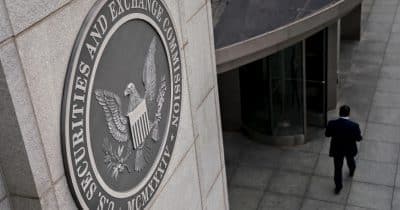
SEC Paves the Way for Tokenized Securities on Mainstream Exchanges
In a move set to redefine the landscape of digital finance, the U.S. Securities and Exchange Commission (SEC) has granted approval for a national securities exchange to list and trade tokenized securities alongside conventional stocks. This monumental decision, centered around the Boston Security Token Exchange (BSTX), a joint venture between BOX Digital Markets and tZERO, signifies a crucial step in bridging the chasm between traditional financial markets and the burgeoning world of blockchain technology.
For years, the promise of tokenized assets – digital representations of real-world securities like stocks, bonds, and real estate, secured by blockchain technology – has been lauded for its potential to revolutionize trading. Now, with regulatory backing from the SEC, this vision is moving from theoretical to tangible, offering unprecedented opportunities and challenges for investors, institutions, and the broader market.
Understanding Tokenized Securities and Their Significance
Tokenized securities are essentially traditional financial instruments that have been digitized and recorded on a blockchain. Unlike cryptocurrencies or utility tokens, they represent ownership rights or stakes in underlying assets and are subject to securities laws. The SEC's approval means that these digital assets can now be traded on a regulated national exchange, bringing a new layer of legitimacy and accessibility.
The significance of this approval cannot be overstated:
- Regulatory Clarity: It provides a clear regulatory framework for tokenized securities, reducing uncertainty and fostering greater institutional participation.
- Market Convergence: It accelerates the convergence of traditional finance (TradFi) and decentralized finance (DeFi), creating hybrid markets that leverage the best of both worlds.
- Enhanced Liquidity: By opening these assets to a broader investor base on regulated exchanges, it has the potential to significantly increase liquidity for traditionally illiquid assets.
Benefits for Traders and Investors
For individuals and institutions active in crypto trading signals platforms, this development unlocks a wealth of new possibilities:
1. Operational Efficiency and Speed
- Faster Settlement: Tokenized securities often leverage blockchain's ability for near-instantaneous settlement (T+0), a stark contrast to the T+2 or T+3 settlement cycles common in traditional markets. This reduces counterparty risk and frees up capital quicker.
- 24/7 Trading: The underlying blockchain technology allows for continuous trading, potentially enabling markets that operate around the clock, rather than being confined to traditional market hours. This opens up global trading opportunities and responsiveness to real-time events.
2. Increased Accessibility and Fractional Ownership
- Lower Barriers to Entry: Tokenization can enable fractional ownership of high-value assets like real estate, fine art, or expensive stocks, making them accessible to a wider range of investors who might not otherwise afford an entire share or property.
- Global Access: Blockchain's borderless nature can facilitate easier cross-border trading, potentially democratizing access to international markets.
3. Diversification and New Asset Classes
Traders can now explore diversifying their portfolios with a new class of regulated digital assets. Imagine trading tokenized shares of private companies, real estate portfolios, or even unique intellectual property on the same platform where you trade traditional stocks. This expands the universe of tradable assets significantly, offering new strategies for risk management and alpha generation.
Challenges and Considerations Ahead
While the benefits are substantial, the path forward is not without its challenges:
- Regulatory Evolution: The SEC's approval is a starting point. Further regulatory frameworks will be needed to address interoperability, custody, and cross-jurisdictional issues.
- Technological Scalability: The underlying blockchain infrastructure must be robust and scalable enough to handle the volume and speed required by mainstream financial markets.
- Investor Education: As with any nascent technology, educating investors about the nuances, risks, and benefits of tokenized securities will be paramount.
- Market Adoption: While regulatory approval is a major hurdle cleared, widespread adoption by institutional players and individual traders will take time and depend on the development of user-friendly platforms and robust liquidity.
The Future of Finance is Hybrid
The SEC's decision marks a definitive turning point, signaling that digital assets are no longer confined to the fringes of finance. Instead, they are being integrated into the very fabric of regulated capital markets. For NexCrypto blog readers and users of trading signals platforms, this means keeping a close watch on the evolving landscape. New trading pairs, market data, and analytical tools will emerge to support these tokenized securities, presenting fresh opportunities for profit and portfolio growth.
The future of finance appears increasingly hybrid, where the efficiency and innovation of blockchain technology merge with the stability and regulation of traditional exchanges. This approval is not just about tokenized securities; it's about validating a new paradigm for how value is represented, transferred, and traded globally.
Source: Crypto Briefing
Ready to Trade Smarter?
Join thousands of traders using AI-powered signals, real-time analytics, and on-chain intelligence to stay ahead of the market.
Start Free — No Credit Card Needed