Russia's Crypto Exchange Trading Launches November 22
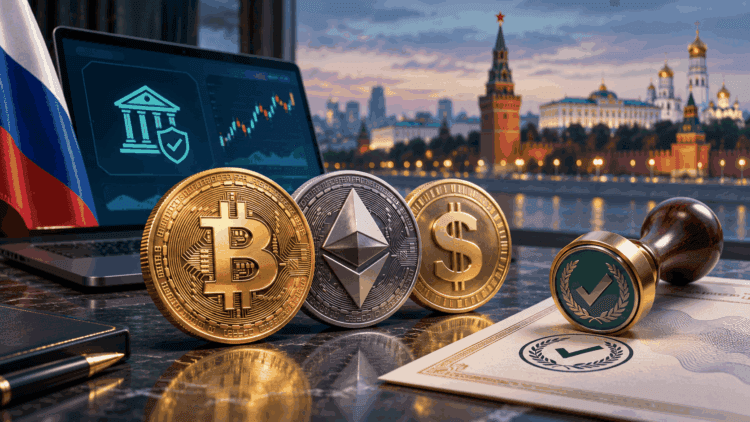
Russia has taken a significant step toward establishing a regulated cryptocurrency market, announcing November 22 as the potential launch date for digital asset trading on domestic exchanges. However, this timeline comes with important conditions that traders and investors need to understand before expecting immediate access to crypto markets.
Understanding Russia's Dual-Date Regulatory Framework
The Bank of Russia's November 11 announcement introduces a complex regulatory structure with two distinct milestones. November 22 marks the earliest date when exchanges may begin operations, but only after receiving explicit approval from the central bank for their trading arrangements. This isn't an automatic green light—it's a regulatory gateway that requires each venue to demonstrate compliance with specific operational requirements.
A separate ordinance taking effect on November 17 addresses asset eligibility, covering which cryptocurrencies non-qualified investors can access. This earlier date focuses on Bitcoin, Ethereum, and USDT, establishing the approved asset list and investment limits for retail participants. The distinction between these dates is crucial: one governs the assets themselves, while the other concerns the infrastructure for trading them.
Exchange Operational Requirements and Compliance Standards
Russian cryptocurrency exchanges face stringent operational mandates under the new framework. Platforms must maintain comprehensive systems for registering trading participants, recording all orders and transactions, and conducting continuous market monitoring. These requirements mirror standards applied to traditional securities markets, bringing crypto trading under the same supervisory umbrella.
The central bank expects exchanges to calculate standardized prices and submit trading data using established reporting protocols. This level of oversight addresses a key regulatory concern: creating transparent, auditable markets that supervisors can inspect. The Ministry of Justice has registered the ordinance, formalizing these requirements into law.
Investor Classification and Purchase Limits
Russia's framework divides market participants into two categories with dramatically different access levels. Non-qualified investors face an annual purchase ceiling of 300,000 rubles (approximately $3,000) through a single intermediary. This restriction applies to the approved asset list and aims to limit retail exposure to cryptocurrency volatility.
Qualified investors, by contrast, operate without these asset-list restrictions or purchase limits. However, both groups must complete relevant testing and acknowledge crypto investment risks before executing any transactions. This tiered approach attempts to balance market access with consumer protection.
The Gap Between Permission and Practical Access
A regulatory effective date doesn't guarantee immediate market access. While November 22 creates a legal framework for trading, it doesn't confirm that exchanges have completed technical preparations or that all prospective users can place orders. Each platform must individually receive central bank approval, implement required systems, and launch services on its own timeline.
The situation becomes more complex when considering international platforms. KuCoin's withdrawal from Russia and Belarus demonstrates that domestic regulatory changes don't influence foreign exchange operations. Traders previously using international venues may find themselves seeking NexCrypto and other domestic alternatives, but the transition won't happen uniformly across all platforms.
What Traders Should Monitor
Several practical questions remain unanswered in the current announcements. Which specific intermediaries will launch services first? What assets beyond the approved three will individual platforms support? How will purchase funding work, and where will holdings be custodied? These operational details determine whether the regulatory framework translates into usable trading infrastructure.
Market Impact and Future Outlook
The introduction of regulated domestic crypto trading could reshape Russia's digital asset landscape, but the actual market impact depends entirely on post-launch participation. An expanded legal route into Bitcoin and other cryptocurrencies might attract new capital, or it might simply redirect existing activity from unregulated channels into supervised venues. Permission alone cannot predict which outcome will materialize.
Historical context adds perspective. Previous reports indicated VTB's conditional plans for direct cryptocurrency trading in December 2025, demonstrating institutional interest in domestic access. However, these earlier proposals don't confirm that any bank has actually launched services under the November regulations.
The next meaningful indicators will come from venue-specific launch announcements, published trading volumes, and demonstrated platform reliability. Russia's regulatory framework provides the legal foundation, but market development requires functioning exchanges, adequate liquidity, and sustained user adoption.
For traders interested in navigating these evolving markets, platforms like our blog provide essential updates on regulatory changes and market developments. As Russia's crypto framework takes shape, staying informed about both regulatory permissions and actual platform launches will be critical for making sound trading decisions in this emerging regulated environment.
Source: NewsBTC
Ready to Trade Smarter?
Join thousands of traders using AI-powered signals, real-time analytics, and on-chain intelligence to stay ahead of the market.
Start Free — No Credit Card Needed