Robinhood's $1.5 Billion Buyback: A Strategic Bet Amidst Market Scrutiny and Crypto Ambitions
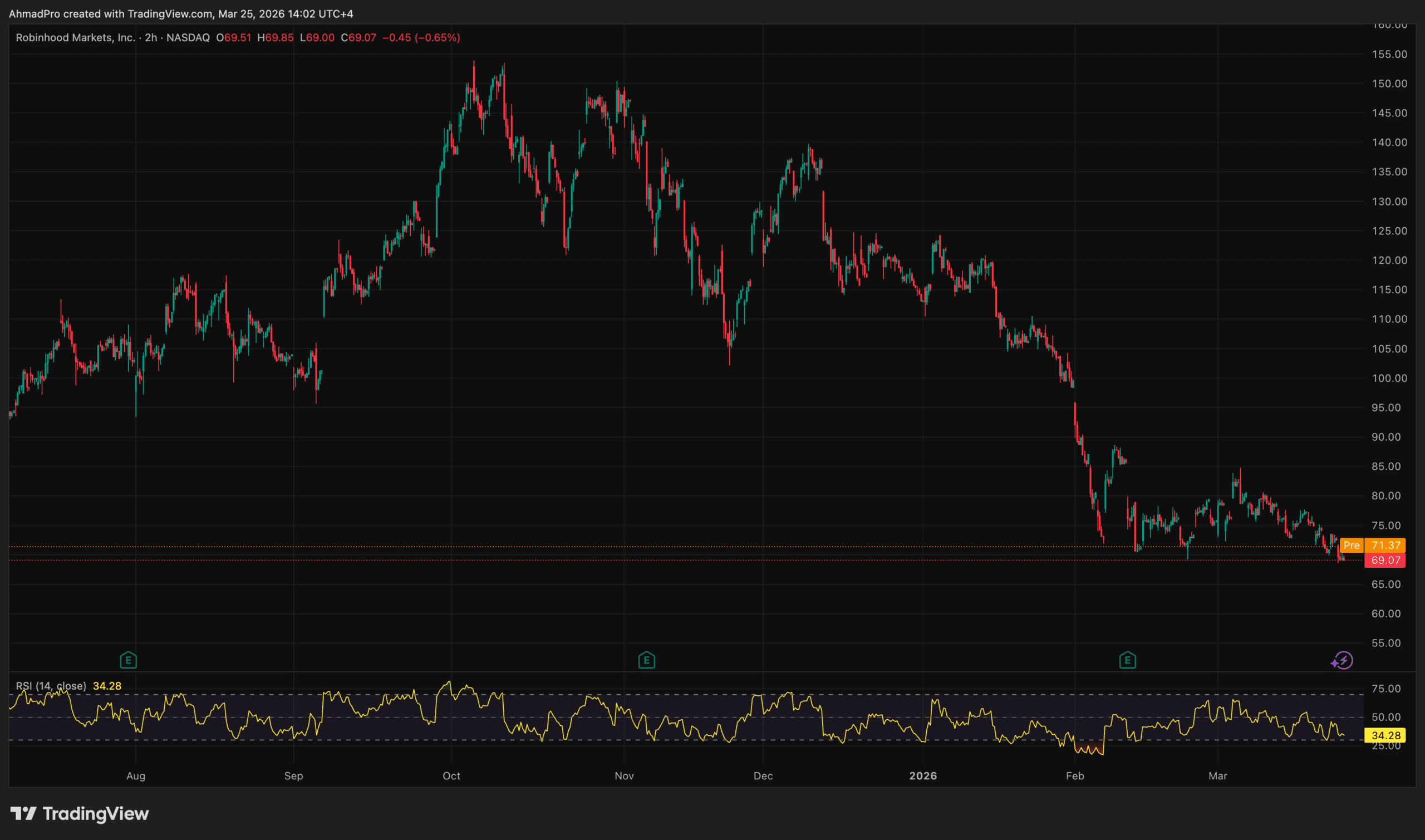
Robinhood Bets Big on Itself: A $1.5 Billion Share Buyback Unpacked
In a move that has captured the attention of both traditional finance and the crypto community, retail trading giant Robinhood (NASDAQ: HOOD) recently unveiled plans for a substantial $1.5 billion share buyback program. This bold declaration comes at a pivotal time for the company, as it navigates a complex market landscape marked by intense competition, evolving regulatory frameworks, and a persistent need to demonstrate long-term value to its investors. For crypto traders and enthusiasts, this development isn't just a Wall Street headline; it offers crucial insights into the financial health and strategic direction of one of the most prominent platforms bridging the gap between traditional assets and digital currencies.
Understanding the Share Buyback: More Than Just a Number
A share buyback, or share repurchase, is a corporate action where a company buys back its own outstanding shares from the open market. There are several strategic reasons why a company might undertake such a program:
- Boosting Shareholder Value: By reducing the number of outstanding shares, a company can increase its earnings per share (EPS) and often its stock price, as the same earnings are distributed among fewer shares.
- Signaling Confidence: A buyback often signals to the market that management believes its stock is undervalued, projecting confidence in the company's future prospects.
- Returning Capital to Shareholders: It's an alternative to dividends for returning capital, often more tax-efficient for investors.
- Offsetting Dilution: Companies often issue shares to employees as compensation. Buybacks can help offset the dilutive effect of these issuances.
Robinhood's commitment to repurchase $1.5 billion worth of its own stock is a significant capital allocation decision, reflecting a strong conviction in the company's intrinsic value and future growth potential, even as its stock has faced considerable volatility since its IPO.
The Broader Context: Navigating a Challenging Market
Robinhood's journey since its highly anticipated 2021 IPO has been a rollercoaster. After an initial surge, HOOD stock has struggled to maintain momentum, facing headwinds such as declining retail trading volumes, intense competition from established brokers, and increased regulatory scrutiny following the meme stock frenzy. The company has also contended with a shift in investor sentiment, moving away from high-growth, unprofitable tech stocks towards more stable, value-oriented investments.
Against this backdrop, the $1.5 billion buyback can be interpreted as a strategic maneuver to stabilize the stock, reassure investors, and potentially attract new capital. It suggests that Robinhood's leadership believes the current market valuation does not fully reflect the company's long-term potential, particularly as it continues to diversify its revenue streams and expand its product offerings.
Robinhood's Dual Identity: TradFi & Crypto Convergence
What makes Robinhood's buyback particularly relevant for our audience is its unique position at the nexus of traditional finance and the crypto economy. Robinhood was one of the first mainstream platforms to offer commission-free trading for both stocks and cryptocurrencies, attracting millions of new users to both markets. Its crypto offerings have grown significantly, now supporting a wider range of digital assets and recently launching crypto trading in Europe.
This share buyback, a distinctly TradFi corporate finance strategy, has direct implications for its crypto ambitions:
- Financial Stability: A healthier, more stable HOOD stock could provide the company with greater financial flexibility to invest in its crypto infrastructure, product development, and regulatory compliance.
- Investor Confidence: Stronger investor confidence in the parent company can translate into more resources and a clearer path for its crypto division, potentially leading to enhanced features, better liquidity, and a broader selection of digital assets.
- Strategic Focus: While the buyback signals confidence in its overall business model, it also prompts questions about the balance between its TradFi and crypto priorities. Will a stronger core business allow for more aggressive crypto expansion, or will it reinforce a cautious, integrated approach?
Implications for Crypto Traders and the Digital Asset Ecosystem
For individuals trading crypto on Robinhood, this buyback could be seen as a positive sign of platform stability and long-term viability. A financially robust Robinhood is better positioned to withstand market downturns, invest in security, and innovate its crypto trading experience.
More broadly, Robinhood's success or struggles impact the perception of hybrid platforms. If Robinhood can successfully navigate its stock challenges and demonstrate growth, it strengthens the case for integrated platforms that offer both traditional and digital asset exposure, potentially driving further mainstream adoption of crypto. Conversely, continued stock underperformance, even with buybacks, could cast a shadow on the viability of such hybrid models.
Looking Ahead: What's Next for HOOD and Crypto?
The $1.5 billion share buyback is a powerful statement, but it's just one piece of Robinhood's long-term strategy. Investors and crypto traders alike will be closely watching several key areas:
- Execution of the Buyback: How effectively and at what price points Robinhood executes the repurchase will be critical.
- Revenue Diversification: Continued progress in areas like interest income, Robinhood Gold subscriptions, and debit card usage will be vital for sustainable growth.
- Crypto Expansion: Further additions of new coins, enhanced staking or DeFi functionalities, and continued international expansion of its crypto services will demonstrate its commitment to the digital asset space.
- Regulatory Landscape: Robinhood's ability to navigate the complex and evolving regulatory environment for both securities and cryptocurrencies will be paramount.
In conclusion, Robinhood's substantial share buyback is a clear signal of management's conviction in its future. While primarily a TradFi maneuver, its ripple effects are undeniable for the crypto market, offering a glimpse into the strategic decisions shaping a major player bridging the two financial worlds. For active traders, understanding these corporate actions is key to anticipating broader market trends and making informed decisions on platforms like NexCrypto.
Source: 99bitcoins.com
Ready to Trade Smarter?
Join thousands of traders using AI-powered signals, real-time analytics, and on-chain intelligence to stay ahead of the market.
Start Free — No Credit Card Needed