Regulatory Spotlight on Influencer Marketing: Senator Warren Probes MrBeast's Crypto Potential and Youth Protection
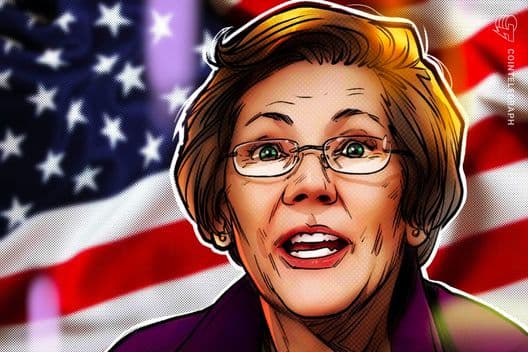
Senator Warren's Inquiry: A Closer Look at Crypto Marketing to Minors
The burgeoning world of digital assets constantly finds itself under the watchful eye of regulators, and the latest focus has shifted to the powerful intersection of crypto and influencer marketing. Senator Elizabeth Warren, a vocal critic of the cryptocurrency industry, has intensified her scrutiny by questioning whether YouTube phenomenon MrBeast, known for his philanthropic stunts and massive youth following, might venture into promoting digital assets to his impressionable audience.
This inquiry, directed not just at MrBeast but also implicitly at the broader ecosystem of content creators and crypto projects, underscores a critical and evolving debate: how to balance innovation and accessibility in the crypto space with robust consumer protection, especially for minors. For those navigating the crypto markets, understanding these regulatory currents is crucial, as they often foreshadow future legislative actions and industry standards.
The Heart of the Matter: Protecting Vulnerable Populations
Senator Warren's letter to various entities, including MrBeast's business partners and the relevant regulatory bodies, stems from a core concern: the potential for unfair, deceptive, or undisclosed marketing of speculative financial products to children and young adults. While MrBeast has not announced any specific crypto endorsements, the Senator's proactive stance reflects a broader apprehension among lawmakers about the unregulated nature of some crypto promotions and their potential impact on financially unsophisticated audiences.
Key concerns highlighted in such inquiries typically include:
- Lack of Disclosure: Influencers often fail to clearly disclose their financial ties or compensation for promoting products, blurring the lines between genuine endorsement and paid advertisement.
- Misleading Information: The inherent volatility and complexity of cryptocurrencies can be misrepresented, leading audiences to believe in guaranteed returns or downplaying significant risks.
- Targeting Minors: Children and adolescents, who may lack the financial literacy or critical thinking skills to evaluate investment opportunities, are particularly vulnerable to persuasive marketing.
- Regulatory Gaps: Current advertising standards and financial regulations may not adequately cover the nuances of decentralized digital assets and the dynamic world of online influencer marketing.
Why MrBeast? The Influence of a Digital Titan
With hundreds of millions of subscribers across his various YouTube channels, MrBeast (Jimmy Donaldson) commands an unparalleled reach, particularly within younger demographics. His content, ranging from elaborate challenges to large-scale charity initiatives, cultivates a highly engaged and trusting audience. This immense influence makes him an attractive, albeit controversial, target for any brand looking to penetrate new markets.
The potential for a figure of MrBeast's stature to endorse cryptocurrencies raises immediate flags for regulators. His past brand partnerships, while not crypto-related, demonstrate his capacity to drive massive engagement and consumer action. Should he ever choose to promote digital assets, the sheer scale of potential exposure to minors would be unprecedented, prompting legislators like Senator Warren to act preemptively.
Broader Implications for the Crypto Industry and Influencer Marketing
This inquiry is not an isolated event; it's a bellwether for increased regulatory scrutiny on crypto advertising, especially through social media and influencer channels. The industry has already seen enforcement actions from bodies like the SEC and CFTC against individuals and projects for unregistered securities offerings or misleading promotions.
For crypto projects and marketing agencies, this incident serves as a stark reminder of the evolving regulatory landscape. It necessitates a re-evaluation of marketing strategies, emphasizing:
- Transparency: Clear and unambiguous disclosure of all paid partnerships and financial interests.
- Responsible Advertising: Avoiding language that guarantees returns, downplays risks, or targets vulnerable populations.
- Compliance: Adhering to existing advertising standards, consumer protection laws, and financial regulations, even if they weren't initially designed for crypto.
- Education: Prioritizing genuine financial literacy and risk education over promotional hype.
The challenge lies in finding a balance. While influencer marketing can democratize access to information and foster community, the speculative nature of digital assets demands a higher degree of caution and responsibility, particularly when the audience includes minors.
Navigating the Future: A Call for Self-Regulation and Clear Guidelines
As the crypto industry matures, the imperative for self-regulation and robust ethical guidelines becomes ever more apparent. While legislative bodies work to define clearer frameworks for digital assets, the onus is also on platforms, content creators, and crypto projects to uphold high standards of integrity and consumer protection.
Senator Warren's inquiry into MrBeast's potential crypto marketing is a powerful signal that lawmakers are paying close attention to how digital assets are presented to the public, especially to younger generations. For traders and investors, this regulatory pressure could lead to a more regulated, and potentially more stable, marketing environment for crypto, ultimately impacting market sentiment and the broader adoption trajectory of digital assets. The conversation is no longer just about the technology itself, but about its societal impact and the ethical responsibilities that come with immense digital influence.
Source: cointelegraph.com
Ready to Trade Smarter?
Join thousands of traders using AI-powered signals, real-time analytics, and on-chain intelligence to stay ahead of the market.
Start Free — No Credit Card Needed