OpenAI Microsoft Deal Shifts: AI IP Rights Evolve
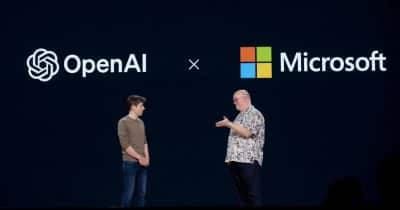
In a significant development poised to reshape the artificial intelligence industry, the long-standing partnership between Microsoft and OpenAI has undergone a fundamental change. Microsoft has reportedly lost its exclusive intellectual property (IP) rights to certain OpenAI models, a move that signals a profound re-evaluation of how strategic tech collaborations are structured in the rapidly advancing AI space. This shift, which also includes a cap on Microsoft's revenue share from specific OpenAI technologies, marks a pivotal moment, opening new avenues for competition and innovation while redefining the dynamics of influence between tech giants and groundbreaking AI developers.
Unpacking the Evolving OpenAI Microsoft Deal
The original alliance between Microsoft and OpenAI was heralded as a cornerstone of modern AI development. Microsoft's multi-billion dollar investment provided OpenAI with crucial computational resources via Azure cloud services, granting the tech giant substantial influence and, importantly, exclusive IP rights to some of OpenAI's most advanced models. This exclusivity was a key differentiator, allowing Microsoft to rapidly integrate cutting-edge AI into its product suite, from Bing to Office 365, giving it a significant edge in the generative AI race.
However, recent reports indicate a significant alteration to this arrangement. Microsoft's exclusive license for intellectual property related to certain OpenAI models, specifically GPT-4, has been rescinded. While Microsoft remains a premier partner and investor, this change means OpenAI now has greater freedom to license these foundational models to other entities, potentially broadening their reach and diversifying their revenue streams. Concurrently, a revenue cap has been placed on Microsoft’s returns from specific OpenAI technologies, further recalibrating the financial incentives of the partnership. This evolution reflects not just a contractual adjustment but a broader industry trend towards more flexible and less restrictive collaborations as AI technology matures and its applications proliferate.
The Broader Implications for AI Intellectual Property
The ownership and licensing of AI intellectual property are becoming increasingly critical as AI models move from research labs to mainstream applications. This shift in the Microsoft-OpenAI deal underscores the immense value placed on foundational AI models and the strategic importance of who controls their deployment and development. For OpenAI, shedding some exclusivity could mean greater agility, enabling them to pursue a wider array of partnerships and applications without the constraints of a single dominant patron. This could accelerate the development and adoption of their models across various industries.
For Microsoft, while losing exclusivity might seem like a setback, it doesn't diminish their substantial investment or their continued role as a primary partner. They still benefit from early access and deep integration capabilities. However, it does mean they will face increased competition from other companies leveraging OpenAI's technology, potentially prompting them to double down on their own proprietary AI research and development efforts. This dynamic could invigorate the entire AI ecosystem, pushing all players to innovate faster and more creatively.
Fostering Competition and Innovation in AI
The loosening of exclusive IP rights is likely to foster a more competitive and dynamic environment within the AI sector. When foundational models are accessible to a wider range of developers and businesses, it encourages diverse applications and novel integrations. This can lead to:
- Accelerated Development: More minds working with powerful tools can speed up innovation cycles.
- Diversified Applications: Non-exclusive access allows smaller players and startups to build specialized AI solutions.
- Reduced Monopolies: Prevents a single entity from dominating the entire AI landscape, promoting healthier market competition.
Navigating Strategic Tech Partnerships in the AI Era
This development serves as a crucial case study for how strategic tech partnerships will be formed and managed in the future, particularly in high-growth, high-stakes sectors like AI and blockchain. The initial Microsoft-OpenAI deal was a blueprint for deep integration and exclusive access. The revised terms suggest a move towards more balanced, perhaps less restrictive, alliances that allow for wider ecosystem participation while still providing significant benefits to core investors.
Companies looking to leverage cutting-edge technology must weigh the benefits of exclusive access against the potential for broader market reach and collaborative innovation. The rapid pace of AI development means that flexibility and adaptability in partnerships may ultimately prove more valuable than rigid exclusivity. This is a lesson that resonates across various technological frontiers, including the evolving crypto space, where collaborations often dictate the pace of adoption and innovation.
The Nexus of AI and Crypto: A Shared Future
The advancements in generative AI, exemplified by OpenAI's models, have direct implications for the crypto industry. AI-powered platforms, like NexCrypto, rely on sophisticated algorithms to analyze vast datasets, identify market trends, and generate accurate trading signals. The underlying power and accessibility of AI models are paramount to the effectiveness of such platforms. As AI IP becomes more distributed, it could lead to an explosion of specialized AI tools that further enhance the capabilities of crypto trading and analysis, making sophisticated insights more accessible to a broader audience. These tools are crucial for navigating the volatile crypto markets, offering users an edge through predictive analytics.
Charting the Future of the AI Innovation Landscape
The shift in the Microsoft-OpenAI agreement is more than just a contractual update; it's an indicator of the maturity and evolving dynamics within the AI innovation landscape. We can anticipate several trends emerging from this new paradigm:
- Increased Competition: Expect more companies to develop and offer their own foundational AI models or to aggressively license from multiple providers.
- Diversified AI Applications: A wider array of businesses, from startups to established enterprises, will gain access to powerful AI, leading to novel applications across sectors.
- Focus on Specialization: Companies may focus less on general AI models and more on developing highly specialized, industry-specific AI solutions.
- Evolving Partnership Models: Future collaborations may prioritize joint ventures, shared development, and open-source contributions over strict exclusivity.
This new era promises a more vibrant and competitive AI market, where innovation is driven by a broader set of players. It underscores the importance of strategic foresight and adaptability for any entity wishing to remain at the forefront of technological progress.
The redefinition of the Microsoft-OpenAI partnership marks a significant turning point for the AI industry, signaling a move towards a more open and competitive landscape for intellectual property and innovation. For those navigating the complex world of digital assets, understanding these shifts in core technologies like AI is crucial. Platforms like NexCrypto leverage the cutting-edge of AI to provide users with powerful trading signals, helping them make informed decisions in dynamic markets. Stay ahead of the curve by exploring how AI can empower your trading journey – sign up with NexCrypto today to experience the future of AI-powered crypto and forex trading.
Source: Crypto Briefing
Ready to Trade Smarter?
Join thousands of traders using AI-powered signals, real-time analytics, and on-chain intelligence to stay ahead of the market.
Start Free — No Credit Card Needed