Oil's Ascent and Bitcoin's Reign: Solidifying the Digital Gold Thesis Amidst Macroeconomic Shifts
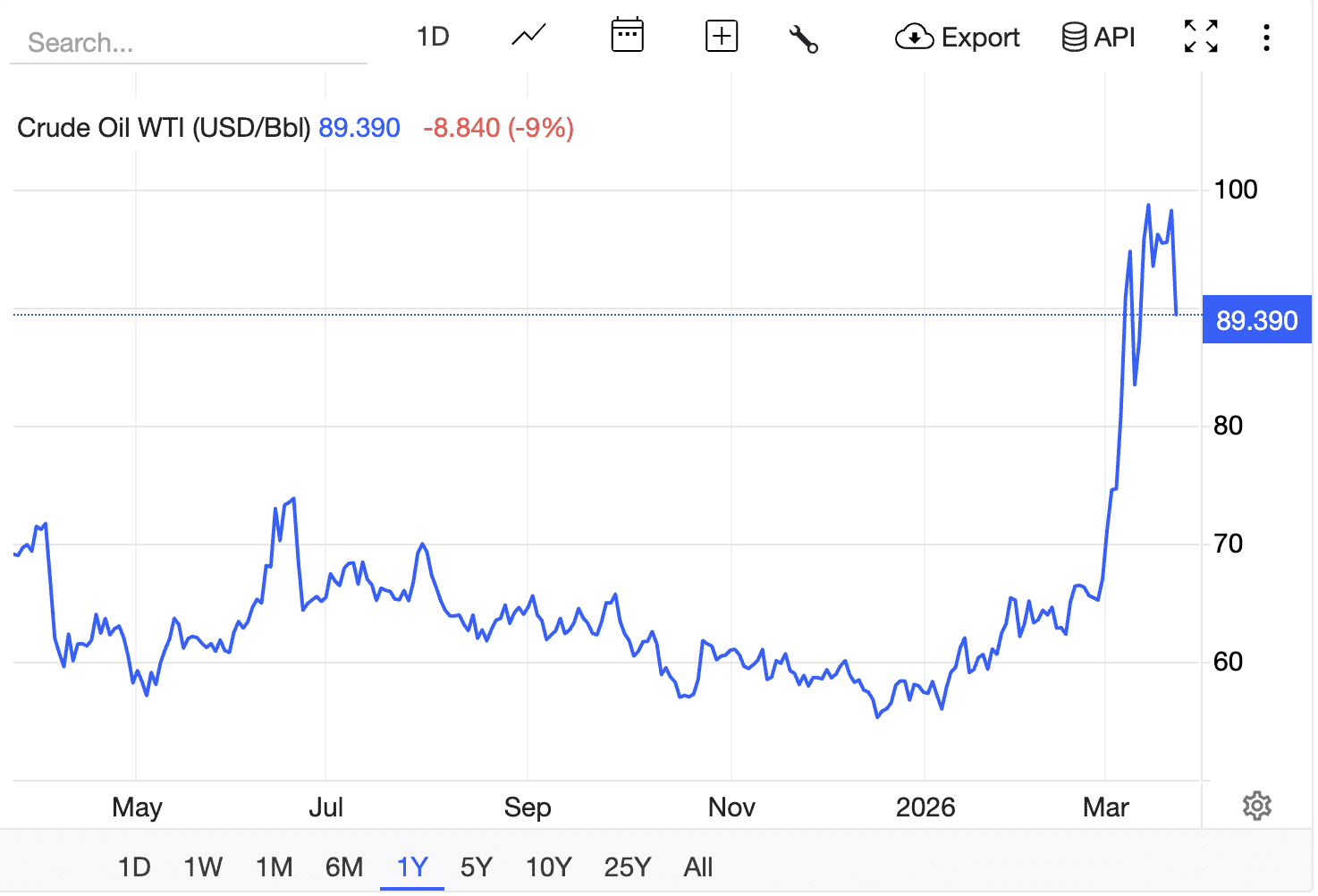
The Return of 'Black Gold' and Its Global Ripple Effect
The global economy is once again grappling with the specter of soaring oil prices. Geopolitical tensions, supply chain disruptions, and robust demand have pushed crude oil benchmarks well above the $100 per barrel mark, a level historically associated with significant economic headwinds. For investors and traders, this isn't just about the cost of gasoline; it's a critical indicator of broader macroeconomic instability.
High oil prices act as a potent inflationary force, driving up the cost of production and transportation across nearly every industry. This leads to increased consumer prices, reduced purchasing power, and often prompts central banks to consider tighter monetary policies, which can dampen economic growth. In such an environment, the search for assets that can preserve or even grow wealth becomes paramount.
The Enduring Appeal of 'Digital Gold'
For centuries, physical gold has served as the ultimate safe haven – a store of value revered for its scarcity, durability, and perceived independence from traditional financial systems. However, the digital age has introduced a formidable contender to this throne: Bitcoin.
The 'digital gold' thesis for Bitcoin rests on several foundational pillars:
- Scarcity: Like gold, Bitcoin has a finite supply, capped at 21 million coins. This hard cap, enforced by cryptographic protocols, makes it inherently deflationary and resistant to the inflationary pressures that plague fiat currencies.
- Decentralization: Bitcoin operates on a decentralized network, free from the control of any single government or financial institution. This independence is a significant draw for investors seeking refuge from geopolitical risks and potential currency debasement.
- Portability & Divisibility: Unlike physical gold, Bitcoin can be instantly transmitted across the globe with minimal cost and can be divided into tiny fractions (satoshis), making it highly liquid and accessible for various transaction sizes.
- Verifiable Authenticity: Bitcoin's blockchain ledger provides an immutable and transparent record of all transactions, making counterfeiting impossible and ownership easily verifiable.
Why Bitcoin Shines When Oil Prices Soar
The current macroeconomic climate, characterized by escalating oil prices and the resultant inflation, presents a compelling case for Bitcoin's role as a digital hedge:
1. An Inflationary Shield
When the cost of living rises and traditional currencies lose purchasing power, assets with a fixed supply tend to perform well. Bitcoin's programmatic scarcity positions it as a strong candidate to maintain value, or even appreciate, as inflationary pressures mount. Investors are increasingly viewing BTC not just as a speculative asset, but as a strategic component in their inflation-hedging portfolios.
2. Diversification Beyond Traditional Assets
Historically, investors have turned to commodities like oil or precious metals like gold to diversify away from equities and bonds during times of uncertainty. Bitcoin offers a new dimension to this diversification strategy. While its correlation with traditional markets can fluctuate, its underlying technology and independent monetary policy offer a unique uncorrelated asset class.
3. Global Accessibility and Liquidity
In a world where capital controls can be imposed and financial systems can become unstable, Bitcoin offers unparalleled global accessibility. Anyone with an internet connection can buy, sell, and hold Bitcoin, making it a truly global asset that transcends national borders and traditional banking hours. This liquidity is crucial for traders looking for flexible investment options during volatile periods.
Investor Sentiment and Market Dynamics
The narrative of Bitcoin as 'digital gold' is not merely theoretical; it's increasingly reflected in market behavior. Institutional investors, once skeptical, are now allocating significant capital to Bitcoin, recognizing its potential as a long-term store of value and a hedge against systemic risks. Public companies are adding BTC to their balance sheets, further legitimizing its role in the broader financial landscape.
While Bitcoin's price action can be volatile, especially in the short term, its long-term trajectory has shown resilience and growth, particularly when compared to the performance of traditional assets during periods of economic stress. The current surge in oil prices serves as another litmus test, reinforcing the argument for Bitcoin's place in a diversified, forward-looking investment strategy.
Navigating the Path Forward
For crypto traders and investors, understanding the interplay between global macroeconomic factors and Bitcoin's value proposition is crucial. The rising cost of oil is not just a headline; it's a catalyst that highlights the strengths of decentralized, scarce assets. While the journey of Bitcoin as 'digital gold' is still evolving, the current economic climate provides a powerful backdrop for its continued adoption and validation.
As we move deeper into an era of unpredictable global economics, Bitcoin's role as a potential safe haven and inflation hedge becomes increasingly compelling, inviting a closer look from those seeking to navigate market volatility with strategic foresight.
Source: 99bitcoins.com
Ready to Trade Smarter?
Join thousands of traders using AI-powered signals, real-time analytics, and on-chain intelligence to stay ahead of the market.
Start Free — No Credit Card Needed