Navigating the Storm: Bitcoin, Geopolitics, and the Shifting Safe Haven Debate
The global financial landscape is once again grappling with the tremors of geopolitical instability. Recent escalations in the Middle East, particularly involving Iran, have sent ripples across traditional markets, most notably impacting oil prices. As crude barrels surge, inflation fears loom larger, and investors instinctively seek refuge. Historically, assets like gold and the U.S. Dollar have served this purpose. But what about Bitcoin, often hailed as 'digital gold' and a hedge against traditional system failures? NexCrypto delves into the current market dynamics to assess Bitcoin's performance and its evolving role amidst global turmoil.
The Geopolitical Ripple Effect: Oil, Inflation, and Risk Aversion
Geopolitical conflicts, especially in critical oil-producing regions, inevitably lead to supply concerns and price volatility. A significant surge in oil prices has a cascading effect:
- Inflationary Pressure: Higher energy costs translate to increased expenses for businesses and consumers, fueling inflation and potentially prompting central banks to maintain or even hike interest rates.
- Economic Slowdown: Sustained high oil prices can curb consumer spending and business investment, raising the specter of an economic recession.
- Flight to Safety: In times of uncertainty, institutional and retail investors tend to shed riskier assets and flock to perceived safe havens. Traditionally, this includes government bonds, the U.S. Dollar, and physical gold.
This macro backdrop sets a challenging stage for all asset classes, including the relatively nascent cryptocurrency market.
Bitcoin Under Pressure: Dissecting the Downturn
Contrary to the expectations of some 'digital gold' proponents, Bitcoin has not been immune to the recent market jitters. Instead, it has shown correlation with risk-on assets, experiencing a downturn alongside equity markets. Several factors contribute to this:
1. Macro Correlation and Liquidation Events
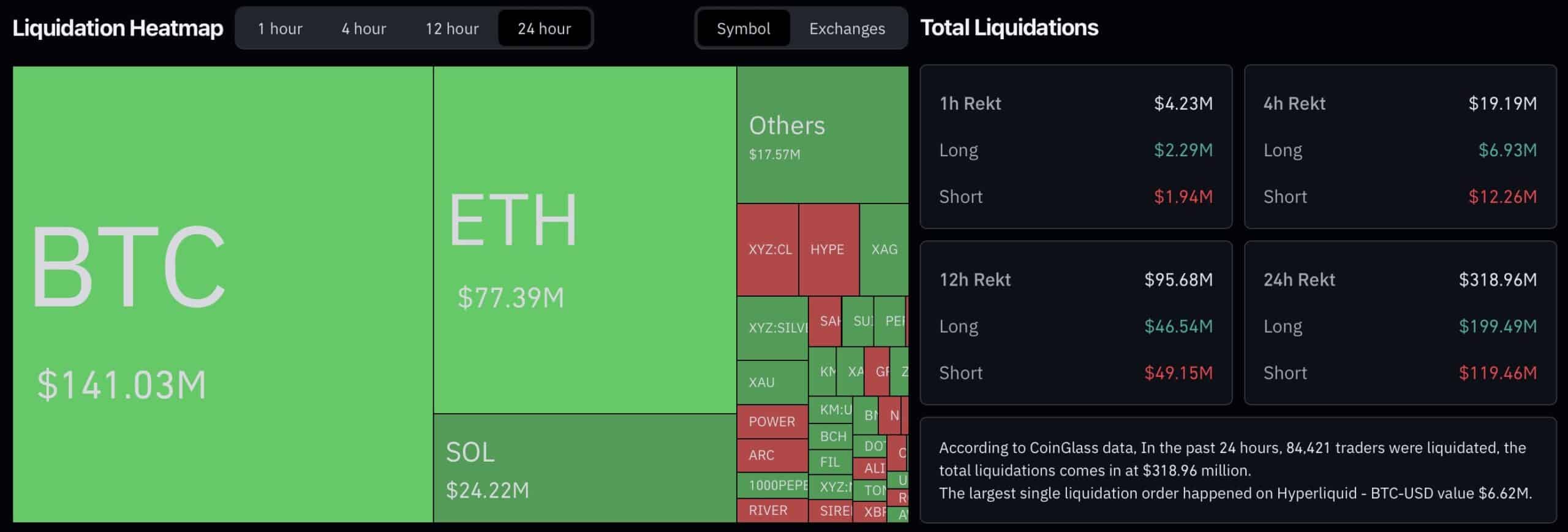
Despite its decentralized nature, Bitcoin has increasingly become intertwined with traditional financial markets, especially tech stocks. When broader markets experience a sell-off due to macroeconomic fears, Bitcoin often follows suit. Furthermore, sudden drops can trigger cascade liquidations in the highly leveraged derivatives market, exacerbating price declines.
2. Strong Dollar Dominance
In times of global crisis, the U.S. Dollar often strengthens significantly as it is considered the ultimate reserve currency. A stronger dollar makes dollar-denominated assets, including Bitcoin, less attractive to international investors, potentially leading to outflows and price pressure.
3. Investor Psychology and Capital Preservation
During extreme uncertainty, the primary concern for many investors shifts from capital growth to capital preservation. While Bitcoin offers long-term potential, its inherent volatility makes it a less attractive short-term safe haven compared to established alternatives like gold, which has thousands of years of history as a store of value.
Revisiting the 'Digital Gold' Thesis: Is Crypto a Safe Haven?
The narrative of Bitcoin as 'digital gold' or a hedge against traditional financial instability is compelling. Its finite supply (21 million coins), decentralized structure, and censorship resistance offer unique advantages. However, its performance during recent crises has led to a re-evaluation.
The Arguments For:
- Decentralization: Not tied to any single government or financial institution, theoretically immune to national economic policies.
- Scarcity: Fixed supply protects against inflation through quantitative easing.
- Accessibility: Can be moved across borders with ease, offering an alternative in regions with unstable local currencies.
The Current Realities:
- Market Immaturity: Compared to the multi-trillion dollar gold market, crypto is still relatively small and more susceptible to large price swings.
- Institutional Influence: As more institutional money enters crypto, its correlation with traditional markets tends to increase.
- Perceived Risk: For many mainstream investors, Bitcoin is still considered a high-risk, speculative asset rather than a stable store of value during crises.
While Bitcoin holds immense long-term potential as a hedge against fiat debasement, its short-term behavior during acute geopolitical crises suggests it has not yet fully decoupled from risk-on assets. It behaves more like a growth stock than a true safe haven in these moments.
Strategic Insights for Crypto Traders
For users of a crypto trading signals platform, understanding these dynamics is crucial. Volatility presents both risks and opportunities. Here are key considerations:
- Risk Management is Paramount: During periods of high uncertainty, stricter stop-loss orders and smaller position sizes are advisable.
- Diversification: While Bitcoin may be the flagship, explore other cryptocurrencies with potentially different correlation profiles, though most tend to move with BTC. Consider traditional assets for broader portfolio diversification.
- Long-Term vs. Short-Term: Differentiate between short-term market noise and long-term investment theses. Dollar-cost averaging (DCA) can be a powerful strategy during dips if you believe in Bitcoin's long-term value.
- Monitor Macroeconomic Indicators: Keep a close eye on oil prices, inflation reports, central bank statements, and geopolitical developments. These will heavily influence crypto's trajectory.
- Look for Decoupling Signs: While not currently a strong safe haven, observe if Bitcoin starts to show signs of decoupling from traditional markets during future crises. This would be a significant development.
The Road Ahead
The current geopolitical landscape serves as a stark reminder that no asset exists in a vacuum. While Bitcoin's journey to becoming a universally accepted safe haven is still underway, its fundamental value proposition remains strong. As global economies navigate inflationary pressures and political uncertainty, the demand for decentralized, scarce assets could grow. However, the path will likely be marked by continued volatility.
Conclusion
The recent dip in Bitcoin's price amidst escalating geopolitical tensions and surging oil prices challenges the immediate 'digital gold' narrative. While Bitcoin possesses many characteristics of a long-term safe haven, its current correlation with risk-on assets means it often reacts to crises with volatility rather than stability. For traders, this period demands heightened vigilance, robust risk management, and a clear understanding of both macroeconomics and crypto market specifics. NexCrypto encourages its community to stay informed and adapt strategies to navigate these complex and evolving market conditions.