Navigating the Regulatory Labyrinth: Gensler's Push for Unified US Crypto Oversight
The Fragmented Reality of US Crypto Regulation
The United States, a global hub for financial innovation, has grappled with establishing a cohesive regulatory framework for the burgeoning cryptocurrency market. Unlike traditional finance where agencies like the SEC, CFTC, and banking regulators have clearly defined roles, digital assets often fall into jurisdictional gray areas. This regulatory ambiguity has created a complex and often challenging environment for crypto projects, investors, and, crucially, traders.
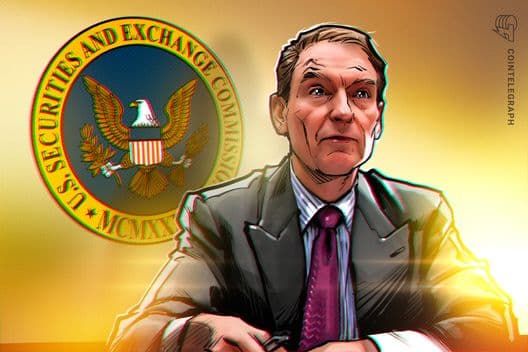
Against this backdrop, SEC Chair Gary Gensler has once again highlighted the urgent need for a more unified and coordinated approach among U.S. financial regulators. His recent call for inter-agency cooperation underscores the growing recognition that the current piecemeal strategy is unsustainable for a market that has ballooned to trillions of dollars.
Why Coordinated Oversight is Crucial
Gensler's advocacy for a harmonized regulatory strategy stems from several key concerns:
- Investor Protection: Without clear rules and enforcement, retail and institutional investors remain vulnerable to fraud, manipulation, and opaque practices. A unified front could establish consistent safeguards across the ecosystem.
- Market Integrity: Fragmented oversight can lead to regulatory arbitrage, where entities exploit jurisdictional gaps to operate with less scrutiny. Cohesion aims to ensure a level playing field and prevent systemic risks.
- Clarity for Innovation: While often seen as a barrier, clear regulation can actually foster responsible innovation. Projects know what rules they need to follow, reducing legal uncertainty and attracting legitimate capital.
- Global Competitiveness: Other jurisdictions, such as the European Union with its MiCA framework, are moving ahead with comprehensive crypto regulations. A coordinated US approach is vital to maintain its position as a financial leader.
Currently, various agencies — including the SEC, Commodity Futures Trading Commission (CFTC), Treasury Department, Federal Reserve, and Office of the Comptroller of the Currency (OCC) — all touch upon different aspects of crypto. The SEC often claims jurisdiction over tokens deemed securities, while the CFTC oversees commodities like Bitcoin and certain derivatives. The Treasury focuses on anti-money laundering (AML) and illicit finance, and banking regulators eye stablecoins and crypto-related services offered by traditional banks. This overlapping and sometimes conflicting authority creates confusion rather than clarity.
Potential Implications for the Crypto Market and Traders
A move towards coordinated oversight could have profound implications for the digital asset landscape:
1. Asset Classification Clarity
One of the most significant impacts would be clearer guidelines on whether a digital asset is classified as a security or a commodity. This distinction dictates which agency has primary oversight and which set of rules apply. For traders, this clarity could:
- Reduce Regulatory Risk: Less uncertainty surrounding a token's legal status could stabilize prices and attract more institutional investment.
- Impact Listing Decisions: Exchanges might be more willing to list tokens with clear classifications, increasing liquidity and trading opportunities.
2. Stablecoin and DeFi Regulation
Stablecoins and decentralized finance (DeFi) protocols are areas of particular interest for regulators. A unified approach could establish clear rules for stablecoin reserves, redemption mechanisms, and the oversight of DeFi lending and borrowing platforms. This might lead to:
- Enhanced Stability: Greater transparency and oversight could reduce risks associated with stablecoin de-pegging or DeFi exploits.
- Mainstream Adoption: Regulatory clarity could pave the way for wider acceptance of stablecoins in payments and traditional financial systems.
3. Institutional Adoption and Market Maturation
Institutional players often shy away from markets with significant regulatory uncertainty. A coordinated framework could be the catalyst for a new wave of institutional capital entering the crypto space, leading to:
- Increased Liquidity: More institutional participation typically means deeper markets and reduced volatility, beneficial for traders.
- Development of Regulated Products: Expect to see more regulated financial products like spot Bitcoin ETFs, further legitimizing the asset class.
4. The Balance Between Innovation and Compliance
While some fear that increased regulation could stifle innovation, a well-thought-out, coordinated approach aims to provide guardrails rather than roadblocks. The challenge will be to craft rules that protect investors without stifling the technological advancements that drive the crypto industry.
What Crypto Traders Should Monitor
For those actively involved in crypto trading, staying abreast of these regulatory developments is paramount. Here's what to watch:
- Inter-Agency Task Forces: Look for announcements regarding joint working groups or task forces formed by various US regulators.
- Legislative Proposals: Keep an eye on any bipartisan efforts in Congress to introduce comprehensive crypto legislation, which could codify agency roles.
- Key Enforcement Actions: Ongoing legal battles and enforcement actions (e.g., against exchanges or specific projects) will continue to set precedents and signal regulatory intent.
- Statements from Officials: Public comments from Gensler, CFTC Chair Behnam, and Treasury officials often provide clues about future policy directions.
- Global Regulatory Trends: Observe how other major economies are regulating crypto, as this can influence US policy.
Understanding the evolving regulatory landscape is crucial for risk management and identifying potential trading opportunities. Regulatory clarity, while potentially bringing short-term volatility as the market adjusts, is ultimately a positive step towards the long-term stability and growth of the digital asset economy.
Conclusion
SEC Chair Gary Gensler's persistent call for coordinated oversight among US financial regulators is a significant signal that the era of fragmented crypto regulation may be drawing to a close. While the path to a unified framework is fraught with political and logistical challenges, its realization could unlock unprecedented clarity, foster responsible innovation, and pave the way for greater institutional and mainstream adoption of digital assets. For crypto traders, navigating this complex regulatory journey with informed awareness will be key to success in the years to come.
Source: CoinTelegraph
Ready to Trade Smarter?
Join thousands of traders using AI-powered signals, real-time analytics, and on-chain intelligence to stay ahead of the market.
Start Free — No Credit Card Needed