Navigating AI Governance: White House Shapes Tech's Future
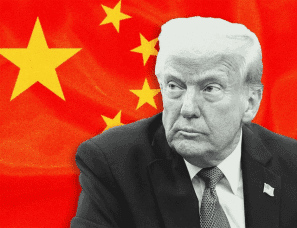
The rapid advancement of artificial intelligence stands as one of the defining technological shifts of our era, promising revolutionary benefits while simultaneously posing complex challenges. From transforming industries to redefining national security, AI's trajectory demands careful navigation. It's against this backdrop that governments worldwide are intensifying their focus on how to guide this powerful technology. A recent high-profile meeting between the White House and Anthropic CEO, Dario Amodei, underscores this critical juncture, highlighting the urgent need for robust AI governance amidst ongoing debates about its strategic deployment, particularly within defense.
The Urgent Need for AI Governance and Regulation
The Biden administration has made it clear that establishing a framework for AI governance is a top priority. This proactive stance aims to balance the imperative of fostering innovation with the crucial need to safeguard society from potential risks. The meeting with Anthropic, a leading AI safety-focused company, is part of a broader strategy to engage key industry players in shaping future policy. This dialogue follows the administration's executive order on AI, which outlines ambitious directives for federal agencies to develop new standards for AI safety and security.
The discussions at the White House are not merely theoretical; they address tangible concerns such as the potential for AI to generate deepfakes, spread misinformation, or exacerbate existing biases. By involving pioneers like Anthropic, policymakers gain invaluable insights into the capabilities and limitations of cutting-edge AI models, helping to inform regulations that are both effective and technologically feasible. This collaborative approach seeks to lay down guardrails that prevent misuse without stifling the incredible potential AI holds for economic growth and scientific discovery.
Fostering Innovation While Mitigating Risks
The challenge for policymakers is immense: how to encourage rapid technological progress in AI while simultaneously developing robust mechanisms to mitigate its inherent risks. This delicate balance requires a nuanced understanding of AI's dual nature. On one hand, AI offers unprecedented opportunities in healthcare, climate science, and productivity. On the other, unchecked development could lead to unforeseen societal disruptions, privacy infringements, and ethical dilemmas. Key areas of focus include:
- Transparency and Explainability: Ensuring that AI systems are understandable and their decision-making processes can be audited.
- Bias Detection and Mitigation: Actively working to prevent AI from perpetuating or amplifying societal biases.
- Security and Resilience: Protecting AI systems from adversarial attacks and ensuring their robustness.
- Accountability: Establishing clear lines of responsibility for AI-generated outcomes.
The goal is to create an environment where AI innovation can flourish responsibly, with ethical considerations embedded from the design phase onwards.
National Security and the Military AI Landscape
Beyond civilian applications, the strategic importance of AI extends deeply into national security. The Pentagon's increasing integration of AI technologies into defense systems has sparked intense internal and external debates. The dispute over the use of AI in military contexts, particularly regarding autonomous weapons, underscores the high stakes involved. While AI promises enhanced intelligence, surveillance, and reconnaissance capabilities, it also raises profound ethical questions about the role of human judgment in lethal decision-making.
The Department of Defense (DoD) is actively exploring AI for everything from logistics optimization to predictive maintenance and advanced targeting. However, the exact parameters for AI deployment, especially concerning 'human-in-the-loop' versus 'human-on-the-loop' systems, remain a contentious issue. The discussions at the White House, therefore, also serve as a platform to align private sector AI development with national security imperatives, ensuring that advancements in AI align with ethical guidelines and strategic defense objectives.
Securing a Competitive Edge in Global AI
The global race for AI dominance, particularly with rivals like China, adds another layer of urgency to these discussions. Both economic prosperity and national security in the 21st century are increasingly linked to leadership in AI. The US government is keen to maintain its technological edge, which necessitates not only significant investment in research and development but also strategic partnerships with leading AI firms. This competitive landscape means that decisions made today regarding AI policy and investment will have long-lasting implications for geopolitical power dynamics and future technological sovereignty.
Industry Collaboration: A Cornerstone of AI Policy
The engagement between the White House and leaders of companies like Anthropic, OpenAI, and Google highlights the indispensable role of industry collaboration in shaping effective AI policy. These companies are at the forefront of AI development, possessing the technical expertise and practical experience crucial for informed policymaking. Their voluntary commitments to safety standards, independent audits, and responsible development are vital steps toward building public trust and ensuring that AI serves humanity's best interests.
Such partnerships are essential for developing practical, enforceable standards that can keep pace with rapidly evolving technology. They provide a forum for discussing potential risks, sharing best practices, and collectively working towards solutions that address complex challenges like algorithmic bias, data privacy, and the ethical use of powerful AI models. This ongoing dialogue ensures that regulations are not just reactive but proactively designed to guide AI's future trajectory.
The Broader Implications for Technology & Markets
The evolving landscape of AI governance has profound implications extending beyond defense and into the broader technology and financial markets. Stricter regulations, while ensuring safety, could influence investment flows, R&D priorities, and the competitive dynamics within the tech sector. For investors and traders in the digital asset space, understanding these macro shifts in tech policy is crucial. As AI continues to integrate with other advanced technologies like blockchain, the regulatory environment for AI will inevitably shape the future of decentralized applications, Web3, and even algorithmic trading strategies.
The focus on responsible AI development could spur innovation in areas like privacy-preserving AI or explainable AI, creating new market opportunities. Conversely, overly burdensome regulations could slow down progress or shift development to less regulated jurisdictions. Monitoring these policy developments is key to anticipating future market trends and identifying emerging investment opportunities across the tech spectrum.
The White House's ongoing engagement with AI leaders marks a pivotal moment in the development of artificial intelligence. By actively shaping AI governance, the administration aims to steer this powerful technology towards a future that maximizes its benefits while minimizing its risks. The discussions underscore a shared responsibility among governments, industry, and society to ensure AI serves as a force for good. As AI continues to redefine our world, staying informed about these critical policy developments is more important than ever. For those looking to navigate the complex interplay of technology, policy, and market trends, platforms like NexCrypto offer cutting-edge insights and signals to help you stay ahead in an ever-evolving digital landscape.
Source: Crypto Briefing
Ready to Trade Smarter?
Join thousands of traders using AI-powered signals, real-time analytics, and on-chain intelligence to stay ahead of the market.
Start Free — No Credit Card Needed