Hong Kong's Stablecoin Future: HSBC & Standard Chartered Poised to Lead Institutional Digital Asset Revolution
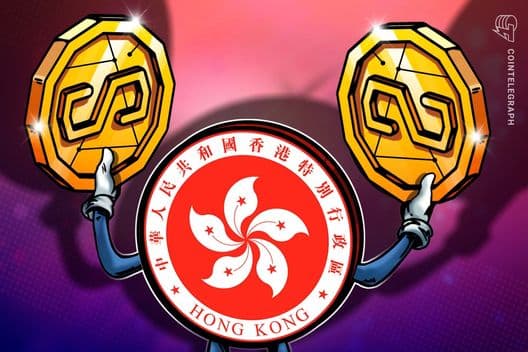
The global cryptocurrency landscape is constantly evolving, with regulatory clarity often dictating the pace of institutional adoption. In a significant development that underscores this trend, reports indicate that two of the world's most prominent traditional financial institutions, HSBC and Standard Chartered, are positioned to receive the very first stablecoin licenses in Hong Kong. This strategic move by the Hong Kong Monetary Authority (HKMA) could mark a watershed moment, bridging the gap between conventional finance and the burgeoning digital asset economy.
The Dawn of Regulated Stablecoins in Hong Kong
Hong Kong has been vocal about its ambition to establish itself as a premier Web3 and digital asset hub. The potential licensing of stablecoins, particularly to financial behemoths like HSBC and Standard Chartered, represents a tangible step towards realizing this vision. Stablecoins, digital assets pegged to a stable reserve asset like fiat currency or gold, are crucial for facilitating transactions and providing stability within the volatile crypto market. Regulating them under a robust framework is seen as essential for attracting institutional capital and fostering mainstream adoption.
A Strategic Move for Hong Kong's Web3 Ambitions
For years, Hong Kong has navigated a complex relationship with the crypto industry. However, recent policy shifts have signaled a clear pivot towards embracing digital assets, albeit under strict regulatory oversight. By positioning itself as a leader in regulated stablecoins, Hong Kong aims to build a secure and compliant ecosystem that can attract global Web3 innovators and investors. This move is not just about issuing licenses; it's about establishing trust and demonstrating a commitment to fostering a responsible and sustainable digital asset market.
The Role of Financial Giants: HSBC and Standard Chartered
The involvement of institutions like HSBC and Standard Chartered cannot be overstated. These banks command immense trust, possess vast global networks, and have extensive experience in navigating complex financial regulations. Their entry into the stablecoin market brings several advantages:
- Enhanced Credibility: Association with such reputable banks lends significant credibility to stablecoins, potentially alleviating concerns about transparency and solvency.
- Institutional Infrastructure: They bring existing infrastructure, compliance frameworks, and client bases that can accelerate the adoption of regulated stablecoins.
- Global Reach: Their international presence could facilitate cross-border stablecoin transactions and integration into global financial systems.
This development suggests a future where institutional-grade stablecoins, backed by established financial entities, could become a cornerstone of digital finance.
Implications for the Global Crypto Market
The potential licensing of HSBC and Standard Chartered to issue stablecoins in Hong Kong carries far-reaching implications, not just for the local market but for the entire global crypto ecosystem.
Bridging TradFi and DeFi
This move represents a significant step in bridging the gap between traditional finance (TradFi) and decentralized finance (DeFi). Institutional stablecoins could serve as a secure on-ramp and off-ramp for large capital flows into the digital asset space, fostering greater liquidity and reducing friction for institutional investors. This integration could lead to the development of new financial products and services that combine the best of both worlds.
Potential for New Liquidity and Market Stability
Regulated stablecoins, backed by robust financial institutions, are likely to attract substantial new liquidity into the crypto market. This influx of capital, coupled with enhanced regulatory certainty, could contribute to greater market stability. For traders, this might translate into more predictable trading environments and potentially narrower spreads on stablecoin-denominated pairs.
A Blueprint for Global Regulation?
Hong Kong's proactive stance on stablecoin regulation could serve as a blueprint for other jurisdictions grappling with how to integrate digital assets into their financial systems. The success of this model, particularly with the involvement of major banks, could encourage other countries to adopt similar frameworks, accelerating global institutional adoption of cryptocurrencies.
What Does This Mean for Traders and Investors?
For those actively engaged in crypto trading and investment, this development presents several key considerations:
- Enhanced Trust and Security: Trading with stablecoins issued by regulated banks could offer a higher degree of trust and security compared to some existing stablecoins, potentially reducing counterparty risk.
- New Trading Opportunities: The introduction of new, highly liquid, and regulated stablecoins could create fresh trading pairs and arbitrage opportunities across various exchanges and platforms.
- Impact on Existing Stablecoins: While USDT and USDC currently dominate the stablecoin market, the entry of institution-backed alternatives could introduce competition, potentially influencing their market share and regional usage, especially in Asia.
- Increased Institutional Participation: Greater institutional comfort with regulated stablecoins will likely lead to more institutional money flowing into the broader crypto market, potentially boosting asset prices and overall market capitalization.
Challenges and Future Outlook
While the prospects are exciting, the road ahead is not without challenges. Implementing a comprehensive regulatory framework for stablecoins, ensuring interoperability, and gaining widespread adoption will require careful planning and execution.
Regulatory Hurdles and Implementation
The HKMA will need to ensure that the regulatory framework is robust enough to mitigate risks such as money laundering, terrorist financing, and market manipulation, while also fostering innovation. The technical and operational challenges of integrating new stablecoins into existing banking systems and across various crypto platforms will also need to be addressed.
Competition and Adoption
The success of these new stablecoins will ultimately depend on their ability to compete with established players and gain traction among both institutional and retail users. Factors such as transaction costs, speed, and ease of use will be critical.
The Road Ahead
Hong Kong's move to license major banks for stablecoin issuance is a bold statement of intent. It signals a future where digital assets are seamlessly integrated into the mainstream financial system, driven by institutional trust and robust regulation. For NexCrypto readers, this development represents a pivotal shift that could reshape trading strategies and investment horizons in the years to come, solidifying Hong Kong's position as a vital node in the global digital asset network.
Source: CoinTelegraph
Ready to Trade Smarter?
Join thousands of traders using AI-powered signals, real-time analytics, and on-chain intelligence to stay ahead of the market.
Start Free — No Credit Card Needed