Harvard's Strategic Pivot: Trimming Bitcoin to Amplify Ethereum ETF Exposure
Harvard Management Company Shifts Gears in Digital Asset Strategy
The world of institutional investment is constantly evolving, and nowhere is this more evident than in the burgeoning digital asset space. Recent reports indicate a significant strategic maneuver by the venerable Harvard Management Company (HMC), the entity overseeing Harvard University's substantial endowment. HMC is reportedly adjusting its cryptocurrency portfolio, specifically by scaling back its Bitcoin (BTC) holdings to enhance its position in Ethereum (ETH) Exchange-Traded Funds (ETFs).
This move isn't merely a portfolio tweak; it represents a powerful signal from one of the most influential institutional investors globally. For traders and investors monitoring market trends, Harvard's decision underscores a deepening understanding and a more nuanced approach to digital asset allocation, moving beyond a sole focus on Bitcoin.
The Logic Behind the Institutional Rebalance
Harvard's reported rebalancing act from Bitcoin to Ethereum ETFs speaks volumes about the evolving institutional perception of digital assets. While Bitcoin has historically been the entry point for many traditional investors due to its 'digital gold' narrative and first-mover advantage, Ethereum is increasingly being recognized for its unique value proposition and broader utility.
- Diversification Beyond Bitcoin: Institutions are increasingly seeking diversification within the crypto sector itself. Relying solely on Bitcoin, while a strong asset, doesn't capture the full spectrum of innovation within Web3.
- Embracing Ethereum's Ecosystem: Ethereum powers the vast majority of decentralized finance (DeFi) applications, non-fungible tokens (NFTs), and a significant portion of the Web3 infrastructure. Its utility-driven model offers a different growth vector compared to Bitcoin's store-of-value proposition.
- ETF Appeal for Institutions: The preference for Ethereum ETFs over direct ETH purchases for a portion of their exposure is critical. ETFs provide a regulated, familiar, and liquid investment vehicle that simplifies compliance, custody, and operational overhead for large institutions like HMC. This makes accessing the underlying asset's price movements far more palatable within traditional investment frameworks.
- Yield and Growth Potential: With Ethereum's transition to Proof-of-Stake and its deflationary tokenomics (EIP-1559), some investors may perceive a higher growth potential or even opportunities for staking yield, which could be attractive to long-term endowment management.
Why Ethereum is Capturing Institutional Attention
Ethereum's journey from a niche technology to a global financial infrastructure has been remarkable. Its robust network, continuous innovation, and pivotal role in the decentralized economy make a compelling case for institutional adoption:
- Technological Superiority and Development: Ethereum boasts the largest developer community in crypto, constantly innovating and improving the network's scalability, security, and efficiency through upgrades like 'The Merge' and upcoming 'Dencun' and 'Pectra' upgrades.
- Deflationary Mechanics: The implementation of EIP-1559 and the burning of transaction fees, combined with the staking rewards from Proof-of-Stake, have introduced deflationary pressures on ETH supply, potentially increasing its scarcity over time.
- Global Platform for Innovation: Ethereum is not just a cryptocurrency; it's a global, programmable blockchain that enables smart contracts, dApps, and new financial paradigms. This broad utility distinguishes it from Bitcoin and positions it as a foundational layer for the future of digital commerce.
Implications for NexCrypto Traders and the Broader Market
Harvard's reported strategic shift holds several key implications for the broader crypto market and, specifically, for users of NexCrypto's trading signals:
- Validation for Ethereum: This move serves as a significant validation for Ethereum as an institutional-grade asset, potentially encouraging other endowments, pension funds, and asset managers to explore or increase their ETH allocations.
- Shifting Narrative: While Bitcoin remains dominant, this could signal a subtle shift in the institutional narrative, recognizing Ethereum's distinct value proposition and its role as a key player in the digital economy, not just an 'altcoin'.
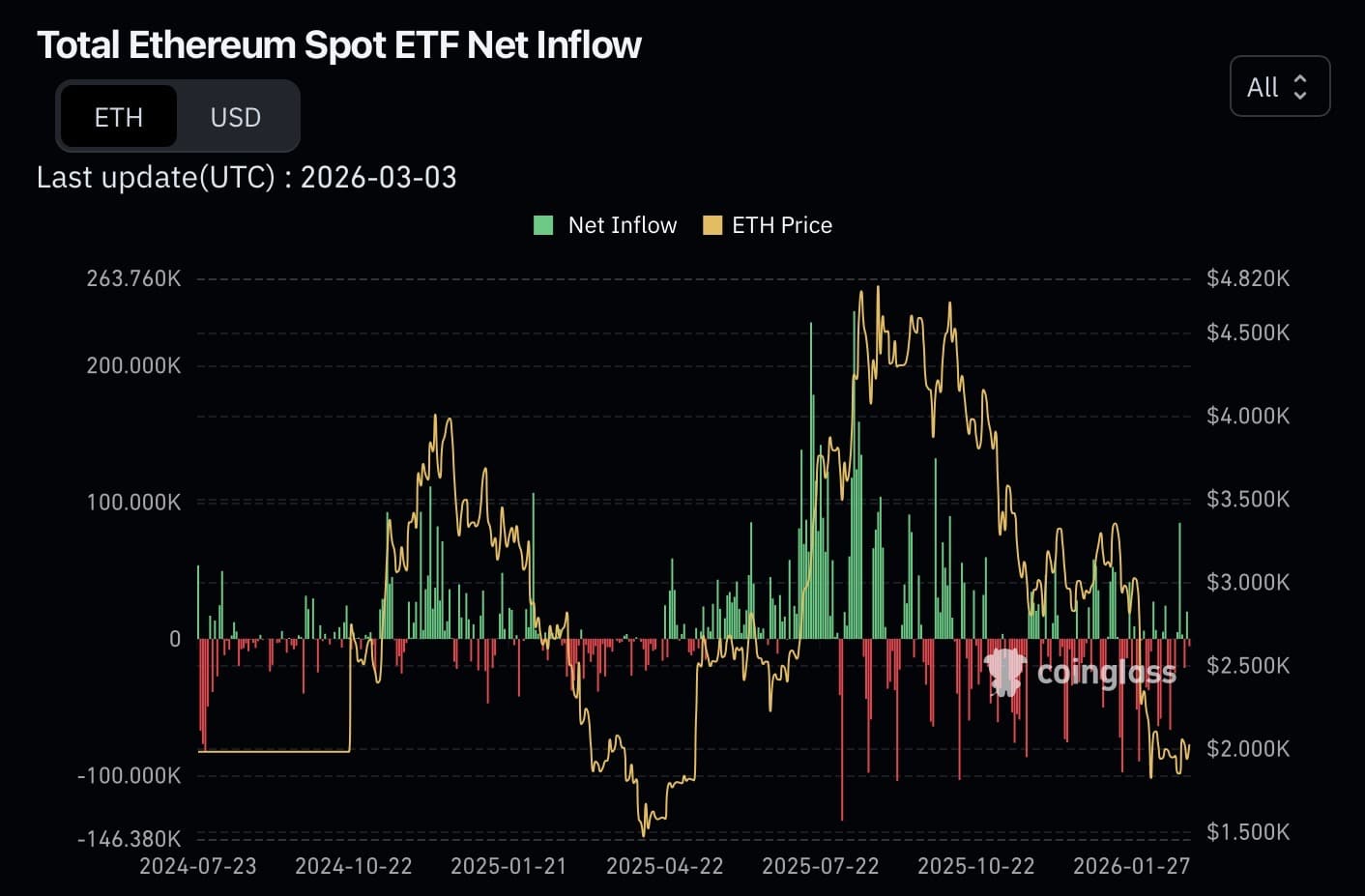
- Increased ETF Demand: The preference for ETH ETFs highlights the growing importance of these regulated products as gateways for traditional finance into the crypto space. Traders should monitor the performance and inflows into these ETFs as a proxy for institutional sentiment.
- Long-Term Bullish Signal for ETH: Sustained institutional interest and capital allocation into Ethereum could provide a significant long-term bullish tailwind for ETH's price and market capitalization.
- Portfolio Diversification: For individual traders, this institutional example reinforces the importance of a diversified crypto portfolio that considers assets beyond just Bitcoin, evaluating them based on their fundamental utility and growth potential.
Conclusion: A Maturing Institutional Approach to Digital Assets
Harvard Management Company's reported decision to reduce Bitcoin exposure in favor of Ethereum ETFs is a landmark event, reflecting a maturing and more sophisticated institutional approach to digital asset investment. It underscores the growing recognition of Ethereum's foundational role in the decentralized ecosystem and the increasing comfort of traditional finance with regulated crypto investment products. For NexCrypto traders, this move is a powerful reminder to stay informed, adapt strategies, and recognize the evolving dynamics of institutional capital shaping the future of the crypto market.
Ready to Trade Smarter?
Join thousands of traders using AI-powered signals, real-time analytics, and on-chain intelligence to stay ahead of the market.
Start Free — No Credit Card Needed