Geopolitical Shifts: Iran, Oil & Crypto Market Impact
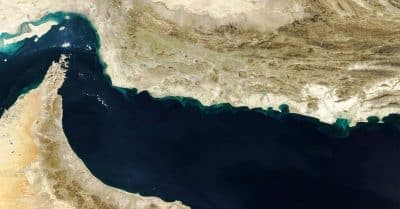
The global financial landscape is a complex web, intricately tied to geopolitical developments that can send ripples across continents and markets. From diplomatic breakthroughs to regional tensions, events far removed from trading screens often dictate the trajectory of commodities, currencies, and even digital assets. A prime example is the strategic positioning of Iran concerning the Strait of Hormuz, a critical chokepoint whose dynamics can profoundly influence global energy prices and, by extension, the broader economic outlook, including the ever-volatile crypto market.
The Strait of Hormuz: A Critical Chokepoint's Influence
Often dubbed the world's most important oil transit chokepoint, the Strait of Hormuz connects the Persian Gulf with the Arabian Sea and the Gulf of Oman. Over 20% of the world's petroleum and a significant portion of its liquefied natural gas (LNG) passes through this narrow waterway daily. Its strategic significance cannot be overstated; any disruption, perceived or real, can trigger immediate and dramatic shifts in global energy prices.
- Global Energy Supply: A blockage or heightened tensions in the Strait directly threaten a substantial portion of global oil and gas supplies, leading to price spikes.
- Trade Routes: Beyond energy, the Strait is vital for international shipping, impacting supply chains and global trade costs.
- Geopolitical Leverage: Control or significant influence over the Strait provides immense leverage in international relations, especially for regional powers like Iran.
Iran's Shifting Stance and Sanctions Dynamics
Iran's historical and ongoing relationship with the Strait of Hormuz is defined by its geographic proximity and strategic interests. The country's influence in the region, coupled with the ebb and flow of international sanctions, creates a volatile environment for global markets. Periods of sanctions relief can signal increased oil supply and economic stability, while re-imposed sanctions or escalations in rhetoric can trigger fears of supply disruption.
The assertion of control or perceived threats to the Strait by Iran, whether through military exercises or political statements, are closely watched by global markets. These actions are often intertwined with the international community's stance on Iranian nuclear programs and other geopolitical issues, directly influencing the confidence of energy producers and consumers worldwide.
Oil Market Volatility and Supply Concerns
The direct consequence of any development concerning Iran and the Strait of Hormuz is felt most acutely in the oil markets. Uncertainty surrounding the Strait's security directly translates into higher crude oil prices, as traders price in potential supply disruptions. This volatility isn't just a concern for energy companies; it has far-reaching implications:
- Inflationary Pressure: Higher oil prices increase production and transportation costs across industries, contributing to global inflation.
- Economic Growth: Sustained high energy costs can dampen consumer spending and business investment, potentially slowing global economic growth.
- Geopolitical Risk Premium: A constant state of tension in the region maintains a 'risk premium' on oil prices, making them inherently higher than they might be in a more stable environment.
Broader Economic Ripple Effects on Global Markets
The impact of geopolitical events like those involving Iran and the Strait of Hormuz extends far beyond the immediate oil market. These shifts create a domino effect across the entire financial ecosystem:
Investor sentiment becomes highly sensitive to geopolitical news, often leading to a 'flight to safety,' where capital moves from riskier assets to perceived safe havens like government bonds, gold, or certain major fiat currencies. Stock markets can experience sell-offs, and emerging markets, particularly those reliant on oil imports, may face significant economic headwinds. Currency exchange rates also react sharply, reflecting changes in trade balances and investor confidence. The interconnectedness of global finance means that a significant shock in one sector or region can rapidly cascade, affecting everything from interest rate expectations to corporate earnings forecasts.
Decoding the Impact on Crypto Assets
In this interconnected environment, how do geopolitical shifts and the resulting market volatility affect crypto assets? The relationship is complex and often dual-natured:
- Risk-Off Sentiment: In times of extreme global uncertainty and a broad 'risk-off' sentiment, cryptocurrencies, particularly those with higher market capitalization like Bitcoin and Ethereum, can sometimes correlate with traditional equity markets and experience downturns as investors liquidate assets across the board.
- Inflation Hedge/Safe Haven: Conversely, some proponents argue that Bitcoin, often dubbed 'digital gold,' can act as a hedge against inflation and fiat currency instability, especially when geopolitical events lead to concerns about traditional financial systems or national currencies.
- Increased Volatility: Regardless of direction, geopolitical events almost invariably increase volatility in the crypto market, creating both challenges and opportunities for traders.
Understanding these dynamics requires sophisticated tools and real-time analysis to discern underlying trends from short-term noise.
Navigating Uncertainty with Advanced Trading Tools
In an era defined by rapid information flow and unpredictable geopolitical events, relying solely on traditional analysis can leave traders at a disadvantage. This is where advanced AI-powered trading signals become invaluable. Platforms like NexCrypto leverage artificial intelligence and machine learning to process vast amounts of data – including geopolitical news, market sentiment, and technical indicators – to provide actionable insights.
These sophisticated algorithms can identify patterns and predict potential market movements with a higher degree of accuracy than human analysis alone, helping traders to:
- Identify Opportunities: Spot potential entry and exit points in volatile markets.
- Mitigate Risk: Receive alerts on significant market shifts that could impact their portfolio.
- Stay Informed: Gain a clearer understanding of how global events translate into market action across forex, commodities, and crypto.
For those looking to enhance their trading strategy amidst global uncertainties, exploring the capabilities of AI-driven signals is a crucial step. Visit NexCrypto to learn more about how our platform can empower your trading decisions.
Geopolitical developments, such as Iran's influence over the Strait of Hormuz and the complex dance of sanctions, are not isolated incidents; they are integral components of the global economic narrative. Their impact reverberates from oil prices to inflation rates, ultimately influencing investor sentiment and the performance of both traditional and crypto markets. For traders seeking to navigate this intricate landscape, staying informed and utilizing cutting-edge tools is paramount. NexCrypto offers the advanced AI-powered signals and insights needed to make confident, data-driven decisions in an ever-changing world. Don't just react to market shifts; anticipate them with our blog and trading signals.
Source: Crypto Briefing
Ready to Trade Smarter?
Join thousands of traders using AI-powered signals, real-time analytics, and on-chain intelligence to stay ahead of the market.
Start Free — No Credit Card Needed