$80 Million Lesson: FG Nexus's Ethereum Liquidation and Strategic Takeaways for Traders
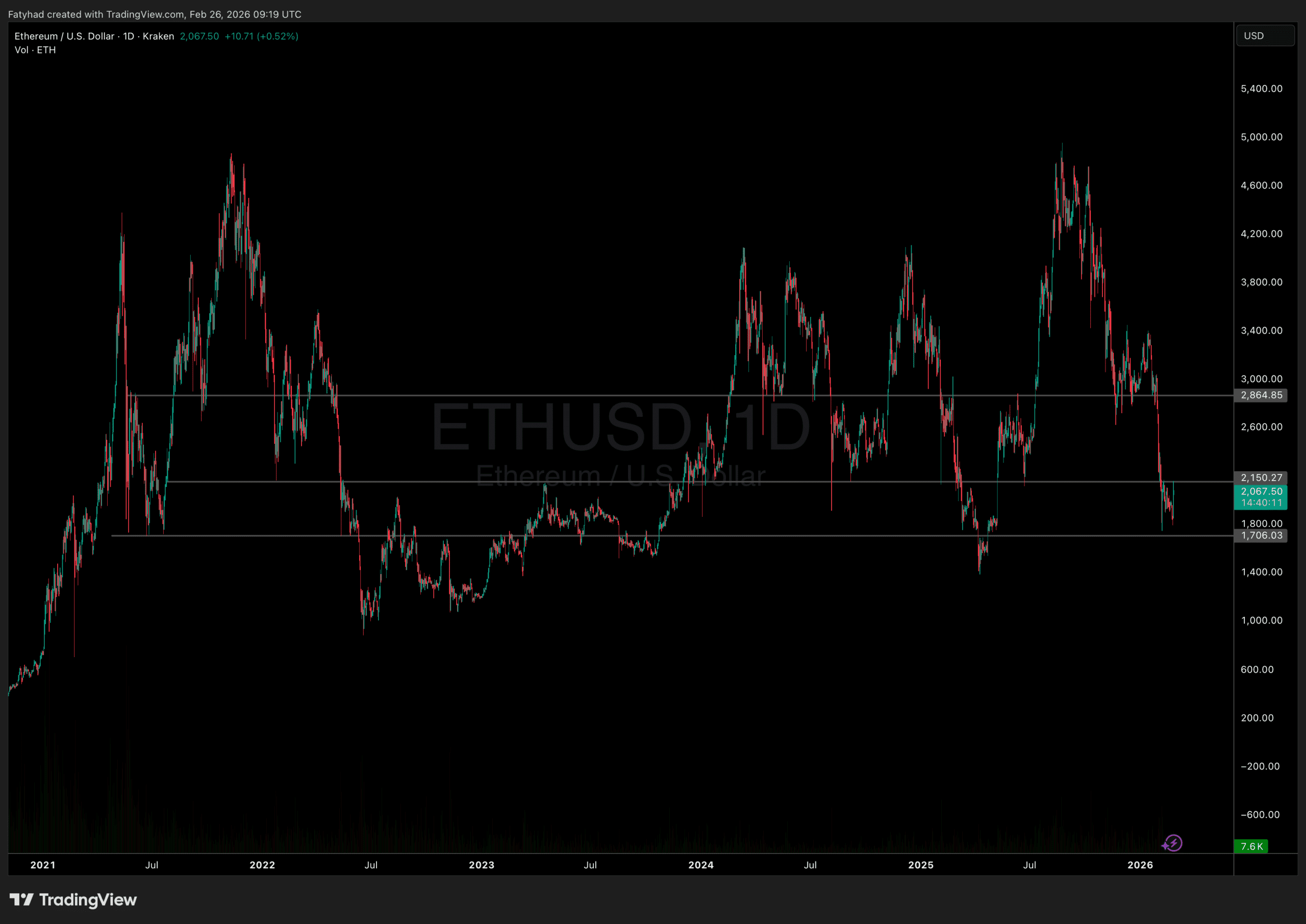
The Crypto Market's Unforgiving Nature: FG Nexus's $80M Ethereum Setback
The crypto market, renowned for its exhilarating highs and gut-wrenching lows, recently delivered a stark reminder of its unforgiving nature. Reports indicate that FG Nexus, a prominent institutional player in the digital asset space, faced an estimated $80 million loss by liquidating a substantial Ethereum (ETH) holding near what many now consider a significant market bottom. This colossal setback serves as a potent case study, offering invaluable insights for both seasoned and novice traders navigating the treacherous waters of cryptocurrency.
Unpacking the $80 Million Ethereum Sell-Off
While the exact circumstances leading to FG Nexus's reported $80 million deficit remain subject to market speculation, the core narrative points to a large-scale liquidation of Ethereum at a highly disadvantageous price point. Such events typically occur during periods of intense market pressure, often triggered by cascading margin calls or pre-set stop-loss levels being hit amidst a broader market downturn. For an entity of FG Nexus's presumed sophistication, offloading such a large position at a perceived bottom suggests either extreme leverage gone awry or a forced deleveraging in response to broader portfolio challenges.
This incident is a powerful illustration that even well-capitalized and experienced institutional investors are not immune to the market's volatility. It highlights the critical importance of anticipating and mitigating risks, especially when dealing with assets known for their rapid price movements.
The Peril of Leverage and Market Volatility
This incident vividly illustrates the dual-edged sword of leverage in cryptocurrency trading. While it can amplify gains during favorable market conditions, it equally magnifies losses when the market turns. Ethereum, despite its robust fundamentals and status as a leading altcoin, is not immune to wild price swings. The period during which FG Nexus reportedly sold off its ETH was likely characterized by intense FUD (fear, uncertainty, and doubt), capitulation from retail investors, and a general lack of liquidity, creating a perfect storm for forced sellers.
Several factors likely converged to create this scenario:
- Exaggerated Leverage: Over-reliance on borrowed capital, leaving little room for error during pullbacks, which can trigger automatic liquidations.
- Market Contagion: A broader crypto market downturn, potentially triggered by macroeconomic factors, regulatory concerns, or specific industry events, creating widespread panic.
- Liquidation Cascades: Forced sales by one large entity can trigger further price drops, leading to more liquidations across the market, creating a downward spiral.
- Emotional Trading: Even institutional desks, despite their analytical rigor, can succumb to panic selling under immense pressure and fear of further losses.
Lessons for the Savvy Trader from FG Nexus's Plight
For the individual trader or those utilizing crypto signals, the FG Nexus saga is more than just a cautionary tale; it's a masterclass in market dynamics and risk management. Here are critical takeaways that can help shape a more resilient trading strategy:
1. Master Risk Management Above All Else
This is arguably the most crucial lesson. Even institutional giants can be humbled by poor risk protocols. For retail traders, this means never allocating more capital than you can afford to lose, setting clear stop-loss orders, and understanding the implications of your position size relative to your total portfolio. A well-defined risk management strategy is your primary defense against market volatility and unexpected downturns.
2. Beware the Siren Song of Excessive Leverage
While leverage can be tempting, particularly with high-conviction trades, it dramatically increases your liquidation risk. The FG Nexus incident suggests that even sophisticated players can misjudge market movements when highly leveraged. Use leverage judiciously, if at all, and always be aware of your liquidation price. A small move against you can wipe out your capital if you're over-leveraged.
3. Understand Market Structure and Capitulation
Selling the bottom is every trader's nightmare. Often, major market bottoms are characterized by capitulation events – widespread panic selling where even strong hands give up. While impossible to perfectly time, understanding technical indicators, market sentiment, and volume spikes during extreme downturns can help identify potential reversal zones, rather than panicking and exiting at the worst possible moment. Look for signs of exhaustion in selling pressure.
4. The Importance of Long-Term Conviction vs. Short-Term Noise
For assets with strong fundamentals like Ethereum, major price corrections can sometimes present accumulation opportunities for long-term holders. While traders aim to profit from short-term swings, investors with conviction in an asset's future utility might view such downturns differently. FG Nexus's reported sale highlights the difference between being forced out of a position and strategically exiting based on a long-term thesis.
5. Diversification is Key
While the focus here is on Ethereum, a broader portfolio diversification strategy can mitigate the impact of a single asset's downturn. Spreading risk across different assets, sectors, or even asset classes can provide a buffer against significant losses in any one area, ensuring that a single event doesn't cripple your entire portfolio.
Moving Forward: Navigating the Crypto Landscape with Discipline
The crypto market will continue to be a wild ride. Events like the reported FG Nexus loss serve as powerful reminders that no entity, regardless of size or perceived expertise, is immune to the market's whims. For those relying on precise market signals and executing trades, these lessons are paramount. By prioritizing robust risk management, understanding market psychology, and maintaining a disciplined approach, traders can better navigate volatility and potentially avoid becoming another cautionary tale. Learn from the mistakes of others, even the giants, to fortify your own trading journey.
Ready to Trade Smarter?
Join thousands of traders using AI-powered signals, real-time analytics, and on-chain intelligence to stay ahead of the market.
Start Free — No Credit Card Needed