Fed Chair Nomination: Why Kevin Warsh's Potential Leadership Matters for Crypto Traders
The Immense Influence of the Federal Reserve Chair on Crypto Markets
In the intricate dance of global finance, few positions wield as much power and influence as the Chair of the Federal Reserve. The individual leading the U.S. central bank shapes monetary policy, guiding interest rates, controlling the money supply, and ultimately impacting everything from mortgage rates to the price of Bitcoin. When the White House submits a nomination for this critical role, as it did with Kevin Warsh, it's a moment that demands close attention from every investor, especially those navigating the volatile waters of the cryptocurrency market.
For NexCrypto traders, understanding the economic philosophy and potential policy leanings of a prospective Fed Chair isn't just an academic exercise; it's a vital component of strategic decision-making. A hawkish or dovish stance can dictate market liquidity, risk appetite, and the broader economic environment in which digital assets operate. Let's explore why Kevin Warsh's nomination carries significant weight and what it could mean for your crypto portfolio.
Who is Kevin Warsh? A Deep Dive into the Nominee's Economic Stance
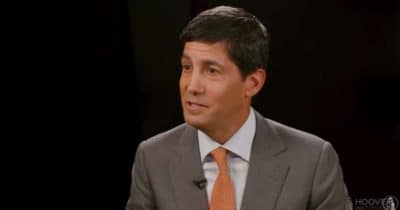
Kevin Warsh is a name well-known in economic and financial circles. A former Governor on the Federal Reserve Board from 2006 to 2011, Warsh served during a pivotal period that included the 2008 financial crisis. His tenure and subsequent commentary have painted a clear picture of his economic philosophy, often characterized as leaning towards monetary conservatism.
Key Aspects of Warsh's Economic Philosophy:
- Monetary Hawkishness: Warsh is generally perceived as a 'hawk,' meaning he prioritizes controlling inflation and maintaining price stability, even if it means higher interest rates and slower economic growth. This contrasts with 'doves,' who tend to favor lower rates to stimulate employment and growth.
- Less Interventionist Approach: He has often advocated for a more restrained role for the Fed, suggesting that the central bank should avoid excessive intervention in markets and allow natural economic forces to play out.
- Focus on Balance Sheet Normalization: During his time at the Fed and afterwards, Warsh has expressed concerns about the size of the Fed's balance sheet, built up through quantitative easing (QE). He typically favors efforts to reduce it, or at least cease its expansion.
- Market-Oriented Perspective: With a background in investment banking and as an economic advisor, Warsh brings a strong understanding of market dynamics and investor psychology to the table.
This profile suggests a leader who would likely advocate for tighter monetary policy, a departure from the ultra-accommodative stances seen during periods of economic uncertainty. Such a shift could have profound implications for assets across the board, particularly those in the high-risk, high-reward crypto space.
The Fed's Mandate and Its Ripple Effect on Financial Markets
The Federal Reserve operates under a dual mandate from Congress: to achieve maximum employment and stable prices (low, stable inflation). To fulfill this, the Fed utilizes several powerful tools:
- Interest Rate Adjustments: Raising or lowering the federal funds rate influences borrowing costs throughout the economy.
- Quantitative Easing (QE) / Tightening (QT): Buying or selling government bonds and other securities to expand or contract the money supply.
- Forward Guidance: Communicating the Fed's future policy intentions to influence market expectations.
These actions directly affect liquidity, the cost of capital, and investor sentiment. A hawkish Fed, for instance, typically leads to higher interest rates, which can make traditional, lower-risk investments (like bonds or savings accounts) more attractive relative to riskier assets. This capital reallocation can impact stock markets, bond yields, and, increasingly, the burgeoning digital asset ecosystem.
Decoding the Crypto Impact: A Hawkish Hand at the Helm?
For crypto traders, a Fed Chair with Kevin Warsh's perceived leanings could introduce several dynamics:
1. Interest Rates and Risk Appetite
A Warsh-led Fed might be more inclined to raise interest rates or maintain higher rates to combat inflation. Higher rates increase the cost of borrowing for businesses and consumers, potentially slowing economic growth. More critically for crypto, they often reduce the appeal of speculative, growth-oriented assets. When the 'risk-free' rate of return (e.g., U.S. Treasury yields) rises, investors demand a higher premium for holding riskier assets like cryptocurrencies, potentially leading to capital outflows from the crypto market.
2. Liquidity Contraction and Market Pressure
If Warsh pushes for aggressive quantitative tightening (reducing the Fed's balance sheet), it would pull liquidity out of the financial system. Less liquidity generally means less capital available to flow into speculative assets, potentially exerting downward pressure on crypto prices. Crypto markets thrive on abundant liquidity and easy money policies; a reversal of this trend could pose significant headwinds.
3. Dollar Strength and Global Implications
A hawkish Fed typically strengthens the U.S. Dollar (DXY). Since many cryptocurrencies are priced and traded against the USD, a stronger dollar can make crypto appear more expensive to international buyers or signal a broader shift away from risk assets towards the perceived safety of the dollar. This can be a negative correlation for crypto prices.
4. Inflation Narrative and Crypto's Role
While crypto, particularly Bitcoin, is often touted as an inflation hedge, a Fed Chair aggressively tackling inflation might alter this narrative. If the Fed is perceived as successfully bringing inflation under control through tighter policy, the immediate urgency for alternative inflation hedges might diminish. However, if their actions are seen as insufficient or too slow, the 'store of value' narrative for assets like Bitcoin could strengthen, albeit in a potentially more volatile environment.
5. Indirect Regulatory Environment
While the Fed Chair doesn't directly regulate cryptocurrencies, their overall economic philosophy and influence on financial stability can indirectly shape the regulatory landscape. A more conservative approach to monetary policy might coincide with a more cautious or even restrictive stance on nascent financial innovations, including digital assets, from other regulatory bodies.
What NexCrypto Traders Should Monitor
Should Kevin Warsh or a similarly hawkish figure be nominated and confirmed as Fed Chair, NexCrypto traders should keep a close eye on:
- Confirmation Hearings: Listen intently for clues on their specific views on interest rates, inflation targets, the Fed's balance sheet, and any indirect comments on digital assets or financial innovation.
- Economic Data: Inflation reports (CPI, PCE), employment figures, and GDP growth will be crucial. These data points will directly influence the Fed's policy decisions.
- Market Response: Observe how traditional markets (S&P 500, bond yields, DXY) react to Fed announcements and economic data. Crypto often follows these broader market trends.
- Liquidity Metrics: Monitor global liquidity indicators and trends in institutional capital flows.
Conclusion: Navigating the New Era of Monetary Policy
The nomination of a Federal Reserve Chair is a monumental event with far-reaching consequences for every corner of the financial world, including the rapidly evolving crypto market. A figure like Kevin Warsh, with a reputation for monetary hawkishness, could signal a shift towards tighter policies that prioritize inflation control and balance sheet reduction. For NexCrypto traders, this potential shift underscores the importance of staying informed, adapting strategies, and understanding how macro-economic forces continue to shape the digital asset landscape. Prepare for potential volatility and adjust your risk management as the world watches who will next steer the ship of the U.S. central bank.
Ready to Trade Smarter?
Join thousands of traders using AI-powered signals, real-time analytics, and on-chain intelligence to stay ahead of the market.
Start Free — No Credit Card Needed