Fed Chair's Crypto Ripples: What Monetary Policy Means
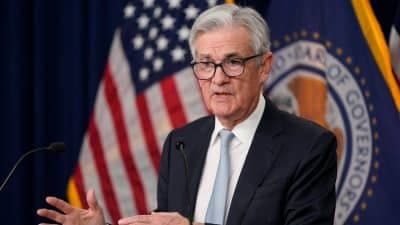
The Federal Reserve, often dubbed the world's most powerful central bank, holds immense sway over global financial markets. While its primary mandates revolve around maximizing employment and maintaining price stability, its decisions send ripple effects far beyond traditional stocks and bonds, reaching deep into the volatile world of cryptocurrencies. For crypto investors, understanding the nuances of the Fed's monetary policy and the philosophy of its leadership is not just academic; it's a crucial factor in navigating market cycles and identifying potential opportunities or risks. The individual at the helm of the Fed, the Chair, embodies this influence, shaping the institution's direction and, by extension, the economic tides that impact digital assets.
The Federal Reserve's Grip on Global Markets
At its core, the Federal Reserve influences the economy through a set of powerful tools designed to manage the money supply, credit conditions, and interest rates. These include setting the federal funds rate, engaging in quantitative easing (QE) or quantitative tightening (QT), and acting as a lender of last resort. When the Fed adopts an accommodative stance, typically involving lower interest rates and increased liquidity (QE), it encourages borrowing and spending, often leading to a 'risk-on' environment where investors are more willing to allocate capital to higher-risk, higher-reward assets. Conversely, a hawkish stance, characterized by rising rates and reduced liquidity (QT), aims to curb inflation but can temper investor enthusiasm for speculative assets.
For cryptocurrencies, which are still largely perceived as risk assets by institutional investors, these shifts in monetary policy are profoundly significant. A flood of cheap money can fuel speculative fervor, driving up prices across the board, including in crypto. When the taps tighten, however, the reverse often holds true, as investors de-risk and move capital into safer havens, or simply hold cash.
Monetary Policy & Crypto: A Deeper Dive
The relationship between monetary policy and crypto markets is multifaceted. During periods of aggressive quantitative easing, such as those seen post-2008 and during the COVID-19 pandemic, Bitcoin and other cryptocurrencies experienced significant rallies. This was partly due to the abundance of liquidity seeking returns and partly driven by a narrative that cryptocurrencies, particularly Bitcoin, could serve as a hedge against inflation caused by fiat currency debasement. Investors looked for alternatives to traditional financial systems, finding appeal in decentralized digital assets.
However, as central banks began to normalize policy and raise interest rates to combat soaring inflation, the crypto market faced significant headwinds. Higher interest rates increase the cost of capital and make future earnings less attractive, often leading to a re-evaluation of high-growth, speculative assets like many cryptocurrencies. The narrative of crypto as an inflation hedge also came under scrutiny during these periods, as digital assets often moved in correlation with tech stocks, demonstrating their sensitivity to broader economic conditions.
Inflationary Pressures and Digital Assets
Inflation is a double-edged sword for crypto. On one hand, the foundational premise of Bitcoin as a deflationary asset with a capped supply makes it an attractive store of value during times of currency devaluation. Many early adopters and maximalists view Bitcoin as 'digital gold,' a hedge against the erosion of purchasing power. On the other hand, the broader crypto market, encompassing thousands of altcoins, NFTs, and DeFi protocols, often behaves more like a growth stock sector. When the Fed aggressively tackles inflation through rate hikes, it can dampen overall economic activity and reduce the appetite for speculative investments, impacting even Bitcoin's performance.
The Fed Chair's Influence: Beyond Policy Statements
While the Federal Open Market Committee (FOMC) votes on policy decisions, the Fed Chair plays a pivotal role in shaping the committee's consensus, communicating its intentions to the public, and setting the overall tone for monetary policy. The Chair's public statements, congressional testimonies, and even subtle shifts in rhetoric can move markets dramatically. A hawkish Chair might signal a greater willingness to raise rates and tighten monetary conditions, sending jitters through risk asset markets, including crypto. Conversely, a dovish Chair could signal a more patient approach, potentially fostering a more favorable environment for digital assets.
Beyond immediate policy, the Fed Chair also influences the institution's long-term strategic direction, including its approach to emerging financial technologies. This includes potential stances on central bank digital currencies (CBDCs), stablecoin regulation, and the broader integration of digital assets into the financial system. A Chair with a forward-looking or cautious perspective on crypto could significantly impact the regulatory landscape for years to come.
Regulatory Landscape & Leadership Shifts
The Federal Reserve is not just an economic policymaker; it's also a key financial regulator. A new Fed Chair could bring a fresh perspective to how the central bank views and interacts with the burgeoning crypto industry. This could range from increased scrutiny on stablecoins and DeFi to a more collaborative approach in developing regulatory frameworks. The Fed's stance, alongside other agencies like the SEC and Treasury, is crucial for determining the operational environment for crypto businesses and the level of institutional adoption. Clarity and consistency in regulation, often influenced by the Chair's vision, can either foster innovation or stifle it.
Navigating Uncertainty with AI-Powered Insights
For individual traders and investors, deciphering the complex interplay between global monetary policy, Fed leadership, and crypto market dynamics can be overwhelming. The signals are often subtle, and the market reactions can be swift and unpredictable. This is where advanced tools and insights become invaluable. Platforms leveraging artificial intelligence can analyze vast amounts of financial data, economic indicators, and even sentiment from public statements to generate actionable trading signals.
By using AI to process information about interest rate expectations, inflation forecasts, and central bank rhetoric, investors can gain a clearer picture of potential market movements. Such technology helps cut through the noise, providing data-driven perspectives that can inform strategic decisions in a volatile market. Learn more about how AI can refine your trading strategy by visiting our blog.
The Federal Reserve's influence on the crypto market is undeniable and multifaceted. From setting interest rates to shaping regulatory perspectives, the decisions made by the Fed, and particularly by its Chair, reverberate throughout the digital asset ecosystem. Staying informed about monetary policy trends and understanding their potential impact is paramount for any serious crypto investor. By leveraging advanced tools and staying ahead of the curve, you can better position yourself to navigate these complex market dynamics. Empower your trading decisions with cutting-edge AI-powered signals. Sign up today and experience the future of crypto and forex trading with NexCrypto.
Source: Crypto Briefing
Ready to Trade Smarter?
Join thousands of traders using AI-powered signals, real-time analytics, and on-chain intelligence to stay ahead of the market.
Start Free — No Credit Card Needed