Fed Chair Decisions: How Central Bank Leadership Shapes Crypto
In the dynamic world of cryptocurrency, price movements often seem to be driven by a unique blend of technological innovation, community sentiment, and speculative fervor. However, beneath the surface, powerful macroeconomic forces exert an undeniable influence, none more significant than the actions and leadership of the U.S. Federal Reserve. The appointment of a Federal Reserve Chair, a process often shrouded in political intrigue and economic speculation, can send ripples through global markets – including the volatile realm of digital assets. Understanding this interplay is not just academic; it's essential for any serious crypto trader.
The Federal Reserve's Unseen Hand on Crypto Markets
The Federal Reserve, America's central bank, wields immense power over the global financial system. Its dual mandate—to maximize employment and maintain price stability—translates into decisions on interest rates, money supply, and financial regulation. These decisions directly impact liquidity, investor sentiment, and the appetite for risk, all of which are critical drivers for the cryptocurrency market.
- Interest Rates: Higher rates generally make traditional investments more attractive, potentially drawing capital away from riskier assets like crypto. Conversely, lower rates can encourage investors to seek higher returns in speculative markets.
- Quantitative Easing/Tightening: Expanding the money supply (QE) injects liquidity into the system, often fueling asset inflation. Reducing the money supply (QT) has the opposite effect, tightening financial conditions.
- Inflation Expectations: Crypto, particularly Bitcoin, is often seen as a hedge against inflation. Perceptions of the Fed's ability to control inflation can significantly influence its appeal.
Given the Fed's broad influence, the individual leading it—the Fed Chair—is arguably one of the most powerful economic figures in the world. Their economic philosophy and perceived stance on monetary policy can set the tone for years, shaping the trajectory of both traditional and digital financial landscapes.
Decoding Fed Chair Appointments and Market Reactions
The selection of a Federal Reserve Chair is a high-stakes event, scrutinized by investors worldwide. Each potential nominee brings a distinct economic philosophy, often categorized as either 'hawkish' (prioritizing inflation control, favoring higher rates) or 'dovish' (prioritizing employment, favoring lower rates and stimulus). Markets react not just to the final appointment, but to the speculation leading up to it.
The Warsh vs. Powell Dynamic: A Case Study
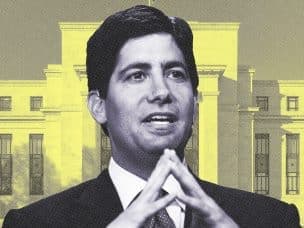
Consider the speculation surrounding the Fed Chair appointment in 2017. As Janet Yellen's term neared its end, names like Kevin Warsh and Jerome Powell emerged as leading candidates. Warsh, a former Fed Governor, was often perceived as more hawkish, potentially signaling a faster pace of interest rate hikes and a more aggressive approach to balance sheet reduction. Powell, also a Fed Governor at the time, was seen as more aligned with Yellen's measured approach, representing continuity and a less disruptive path.
During such periods of uncertainty, markets typically become more volatile. Traders attempt to price in the potential policy shifts associated with each candidate. For crypto, a perceived hawkish appointment could signal a 'risk-off' environment, potentially leading to sell-offs, while a dovish appointment might foster a 'risk-on' sentiment, encouraging investment in digital assets. The eventual appointment of Jerome Powell, following the conclusion of an investigation into his financial disclosures, brought a degree of clarity, but the lead-up demonstrated the profound impact of individual leadership on market expectations.
Monetary Policy Shifts and Digital Asset Volatility
Once a Fed Chair is in place, their policy decisions become the primary driver. The language used in Federal Open Market Committee (FOMC) statements, press conferences, and congressional testimonies is dissected for clues about future monetary policy shifts. These shifts directly impact the availability and cost of capital, which in turn influences the flow of funds into speculative assets like cryptocurrencies.
Navigating Interest Rate Hikes and Liquidity Squeeze
When the Fed embarks on a cycle of interest rate hikes, borrowing becomes more expensive, and the incentive to hold cash or invest in low-risk bonds increases. This can lead to a 'liquidity squeeze' in the broader market, where less capital is available to flow into higher-risk ventures, including crypto. Conversely, periods of quantitative easing (QE) and near-zero interest rates, as seen in the wake of the 2008 financial crisis and the COVID-19 pandemic, often correlate with significant rallies in crypto assets, as investors seek returns beyond traditional markets.
Digital assets, being global and often perceived as an alternative financial system, are particularly sensitive to these macro shifts. While crypto proponents often emphasize decentralization, the reality is that the market remains highly correlated with broader financial sentiment, which is heavily influenced by central bank actions.
Staying Ahead: Strategies for Savvy Crypto Traders
For crypto traders, simply understanding the Fed's influence isn't enough; you need to integrate this knowledge into your trading strategy. This means:
- Monitoring Fed Communications: Pay close attention to FOMC meeting minutes, speeches by Fed officials, and economic data releases (inflation reports, employment figures).
- Analyzing Market Sentiment: Gauge how the market is interpreting Fed signals. Are investors pricing in more rate hikes or anticipating a pivot?
- Diversifying Strategies: Relying solely on technical analysis without considering macroeconomic factors can be risky. Combine technical indicators with an understanding of the broader economic environment.
- Utilizing Advanced Tools: Platforms that offer AI-powered insights and real-time market analysis can help you process complex macroeconomic data and identify potential trading opportunities or risks.
The interplay between central bank policy and the crypto market is a constant dance. By staying informed and adapting your strategies, you can better navigate the volatility and position yourself for success.
The Federal Reserve's decisions, from the appointment of its Chair to its daily policy actions, cast a long shadow over the global financial landscape, profoundly impacting the trajectory of the crypto market. While the allure of decentralization remains strong, smart traders recognize that macroeconomics cannot be ignored. By integrating an understanding of central bank influence into your trading strategy, you gain a significant edge. Ready to make informed trading decisions based on comprehensive market analysis? Explore how AI-powered insights can transform your approach. Sign up for NexCrypto today and empower your trading journey.
Source: Crypto Briefing
Ready to Trade Smarter?
Join thousands of traders using AI-powered signals, real-time analytics, and on-chain intelligence to stay ahead of the market.
Start Free — No Credit Card Needed