Evernode's Nasdaq Play: A Pivotal Moment for XRP Ledger's Mainstream Integration
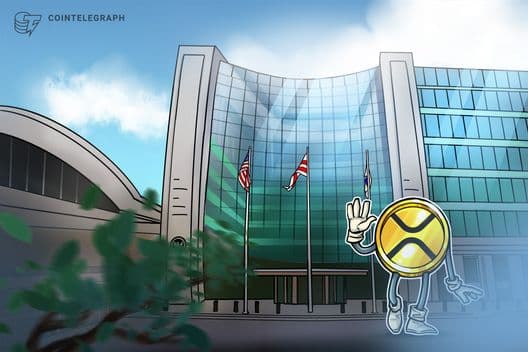
Evernode's Nasdaq Play: A Pivotal Moment for XRP Ledger's Mainstream Integration
In a development that underscores the accelerating convergence of cryptocurrency and traditional finance, Evernode (EVM), the innovative smart contract sidechain built for the XRP Ledger (XRPL), has taken a monumental step. The project has formally filed with the U.S. Securities and Exchange Commission (SEC) to list its shares on the Nasdaq stock exchange. This strategic move is not merely a corporate maneuver; it represents a profound validation and potential accelerator for the XRPL ecosystem's journey into mainstream financial markets.
Unpacking Evernode: Extending the XRPL's Capabilities
For those closely following the XRP Ledger, Evernode is a name synonymous with expanded utility. While the XRPL is renowned for its speed, efficiency, and low transaction costs, particularly for payments, its native smart contract capabilities have historically been limited. This is where Evernode steps in. Designed as a Layer 2 sidechain, Evernode brings Ethereum Virtual Machine (EVM) compatibility to the XRPL, enabling developers to deploy sophisticated smart contracts and build decentralized applications (dApps) previously unavailable on the mainnet.
- EVM Compatibility: Allows seamless migration for developers familiar with Ethereum.
- Smart Contract Functionality: Opens doors for DeFi, NFTs, and complex dApps on the XRPL.
- Interoperability: Enhances the XRPL's ability to interact with other blockchain networks.
By extending the XRPL's capabilities, Evernode aims to unlock new use cases and attract a broader developer and user base, positioning the XRP Ledger as a more versatile and competitive blockchain platform.
The Significance of a Nasdaq Listing: Beyond Capital Infusion
A Nasdaq listing for a crypto-native project like Evernode carries immense weight, far beyond simply raising capital. It's a powerful statement of intent and a testament to the project's maturity and adherence to stringent financial regulations.
Here’s why this move is particularly impactful:
- Regulatory Scrutiny and Legitimacy: Listing on Nasdaq requires rigorous due diligence from the SEC and adherence to strict reporting and governance standards. This process confers a significant degree of legitimacy and transparency, reassuring traditional investors wary of the often-unregulated crypto space.
- Access to Institutional Capital: A public listing opens the floodgates to a vast pool of institutional investors, hedge funds, and retail investors who typically cannot or will not invest directly in cryptocurrencies or early-stage blockchain projects.
- Increased Visibility and Brand Recognition: Being listed on one of the world's most prominent stock exchanges dramatically boosts Evernode's profile, bringing it into the purview of mainstream financial news and analysis, thereby increasing awareness of the XRPL ecosystem.
- Paving the Way: A successful listing could serve as a blueprint for other crypto projects looking to bridge the gap between decentralized innovation and traditional financial markets, setting a precedent for compliant integration.
Navigating the Regulatory Landscape: An SEC Filing's Implications
The decision to file with the SEC is particularly noteworthy given the historical regulatory challenges faced by Ripple and XRP. While Evernode is an independent project built on the XRPL, its success in navigating the SEC's stringent requirements could indirectly benefit the broader perception of the XRP ecosystem.
The SEC filing process involves:
- Detailed Financial Disclosures: Providing comprehensive financial statements and operational data.
- Legal and Compliance Reviews: Ensuring adherence to all securities laws and regulations.
- Risk Factor Analysis: Clearly outlining potential risks to investors.
Successfully traversing this regulatory gauntlet demonstrates Evernode's commitment to compliance and transparency, a critical factor for mainstream adoption and investor confidence.
Ripple Effects: What This Means for the XRP Ecosystem
Evernode's Nasdaq aspirations have significant positive implications for the entire XRP Ledger ecosystem:
- Enhanced Utility for XRP: While Evernode has its native token (EVN), the increased activity and developer engagement on the sidechain inherently boost the utility and relevance of the underlying XRPL, potentially driving demand for XRP for transaction fees or other ecosystem interactions.
- Developer Magnet: The prospect of a robust, EVM-compatible smart contract platform with mainstream financial backing will likely attract a new wave of developers and innovative projects to the XRPL.
- Positive Sentiment and Price Action: News of traditional finance integration and regulatory approval often generates positive sentiment within the crypto community, which can have favorable effects on associated assets like XRP.
- Validation of XRPL's Vision: Evernode's success on Nasdaq would validate the XRPL's long-term vision of becoming a foundational layer for a wide array of financial applications, both traditional and decentralized.
Conclusion: A Bridge to the Future
Evernode's pursuit of a Nasdaq listing is more than just a corporate milestone; it's a symbolic stride for the entire crypto industry. It exemplifies the growing maturity of blockchain projects and their determined efforts to integrate with, rather than merely disrupt, traditional financial systems. For the XRP Ledger and its community, this move promises a future of expanded utility, increased legitimacy, and a clearer path towards widespread adoption. Traders and investors in the crypto space would be wise to closely monitor Evernode's progress, as its journey could illuminate new pathways for value creation and mainstream acceptance across the digital asset landscape.
Source: CoinTelegraph
Ready to Trade Smarter?
Join thousands of traders using AI-powered signals, real-time analytics, and on-chain intelligence to stay ahead of the market.
Start Free — No Credit Card Needed