The Ethereum Enigma: Vitalik's Utility Focus vs. Wall Street's ETF Influx
The Ethereum Enigma: Vitalik's Utility Focus vs. Wall Street's ETF Influx
Ethereum, the powerhouse blockchain behind decentralized finance (DeFi), NFTs, and countless dApps, is currently at the heart of a compelling paradox. On one side stands its visionary co-founder, Vitalik Buterin, consistently articulating a view of ETH as 'productive capital' and a utility-driven network. On the other, the titans of traditional finance on Wall Street are eagerly throwing their weight behind spot Ethereum Exchange-Traded Funds (ETFs), signaling a strong belief in its investment potential as a legitimate asset class. For the astute NexCrypto trader, understanding this duality is crucial for navigating Ethereum’s evolving market dynamics.
Vitalik's Vision: Ethereum as Productive Capital, Not Just 'Money'
Vitalik Buterin has long championed a nuanced perspective on Ethereum's native token, ETH. While many in the crypto space instinctively view major cryptocurrencies like Bitcoin and Ethereum through the lens of 'digital gold' or 'programmable money,' Buterin's recent comments and long-held philosophy underscore a different primary function for ETH. He often emphasizes:
- Utility and Ecosystem: For Vitalik, Ethereum’s true strength lies in its sprawling ecosystem. It's the foundational layer for thousands of decentralized applications, from lending protocols and decentralized exchanges in DeFi to groundbreaking NFT projects and gaming platforms. ETH is the 'gas' that powers this engine, paying for transaction fees and securing the network through staking.
- Productive Capital: Rather than a mere store of value or a medium of exchange, Buterin sees ETH as 'productive capital.' This means it's an asset that generates value and contributes to the functionality of a larger economic system. Staking ETH to secure the network and earn rewards is a prime example of its productive nature, akin to owning shares in a company that pays dividends.
- Technological Advancement: His focus remains firmly on the network's long-term scalability, security, and sustainability. Upgrades like the Merge, and future developments like sharding and Danksharding, are about enhancing Ethereum's technological capabilities, further solidifying its role as the world's leading smart contract platform.
In essence, Vitalik's narrative positions ETH as the lifeblood of a decentralized internet, an asset whose value is intrinsically tied to its utility and the innovation it fosters, rather than solely its monetary properties.
Wall Street's Embrace: The Institutional Floodgates Open for Ethereum ETFs
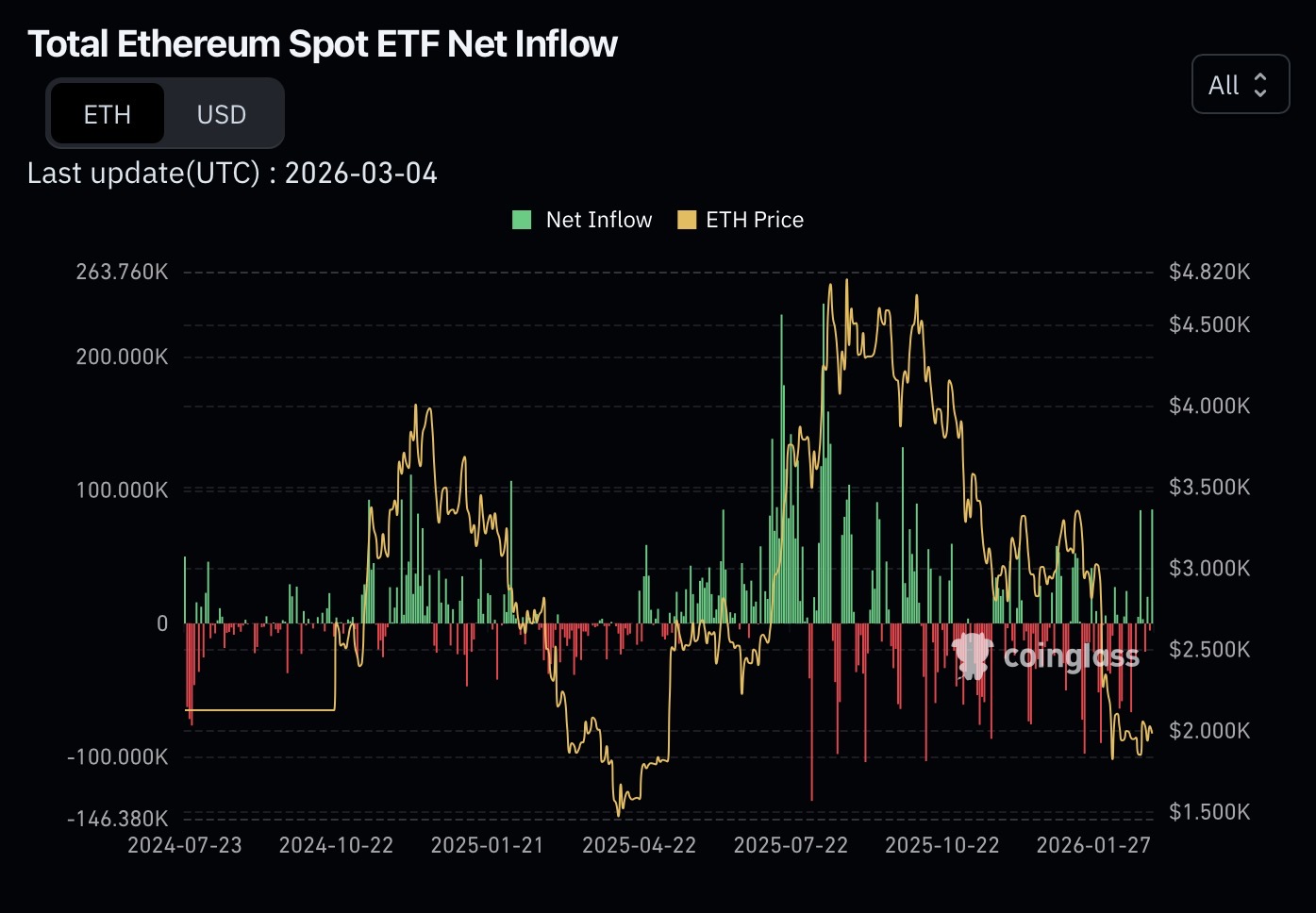
Contrasting Vitalik's utility-centric view is the undeniable gravitational pull Ethereum exerts on traditional finance. The recent approvals and anticipated launch of spot Ethereum ETFs, particularly in the United States following the success of Bitcoin ETFs, mark a significant turning point. This institutional embrace is driven by several factors:
- Legitimization and Accessibility: Spot ETFs provide a regulated, familiar, and highly accessible investment vehicle for institutional investors and traditional retail clients who might be hesitant to directly hold cryptocurrencies. It’s an 'easy button' for gaining exposure to Ethereum's price movements without the complexities of self-custody or navigating crypto exchanges.
- Diversification and Growth Potential: Institutional portfolios are constantly seeking diversification and exposure to high-growth asset classes. Ethereum, as the second-largest cryptocurrency by market cap and the backbone of the decentralized economy, presents a compelling opportunity for capital allocation. Many view ETH not just as a technology play, but as a significant investment asset with substantial upside.
- Growing Acceptance of Digital Assets: The success of Bitcoin ETFs has paved the way, demonstrating strong demand for regulated crypto investment products. Wall Street sees Ethereum as the next logical step, recognizing its distinct value proposition and ecosystem strength.
For Wall Street, ETH is increasingly being treated as a legitimate, investable asset class, capable of attracting significant capital inflows and becoming a staple in diversified investment portfolios.
The Core Paradox: Utility vs. Asset Class – A Tale of Two Ethers
The core of the Ethereum paradox lies in this fundamental divergence: the creator emphasizes technological utility and productive capital, while institutional investors primarily see an investable asset and a vehicle for capital growth. Both perspectives are valid, yet they highlight a fascinating tension:
- Is ETH's value primarily derived from its function within the network, or from its scarcity and potential for price appreciation driven by market demand?
- Can an asset be 'productive capital' in Vitalik's sense while simultaneously being a highly sought-after investment vehicle for traditional finance?
The answer is likely both. Ethereum's robust utility and technological innovation are precisely what make it attractive to institutions. Its ability to power a global, decentralized economy gives it intrinsic value that speculative assets lack. However, Wall Street's involvement translates this intrinsic value into market demand, liquidity, and potentially, significant price appreciation.
Implications for NexCrypto Traders: Navigating the Dual Narrative
For NexCrypto users focused on trading signals and market insights, this paradox presents a unique set of considerations:
- Sustained Bullish Pressure: Institutional inflows via ETFs are a powerful long-term bullish catalyst. Increased liquidity and broader market access mean more capital can flow into ETH, potentially driving up its price regardless of short-term market sentiment.
- Understanding Fundamental vs. Speculative Value: While ETFs focus on price exposure, Vitalik's perspective reminds us of the underlying fundamentals. A healthy, innovative Ethereum network (as Vitalik envisions) is ultimately what sustains its long-term value for investors.
- Market Volatility: The influx of traditional capital can bring increased volatility. Large institutional trades or shifts in sentiment from traditional markets could have amplified effects on ETH's price.
- Diversification Strategy: For those looking at portfolio construction, ETH's dual nature – both a technology investment and a potential store of value – offers unique diversification benefits within a crypto portfolio.
- Long-Term Outlook: The convergence of technological advancements (Vitalik's focus) and financial legitimization (Wall Street's adoption) paints a robust long-term picture for Ethereum. Traders should monitor both on-chain metrics and institutional interest.
Conclusion
The Ethereum Enigma is a testament to the asset's multifaceted nature. Vitalik Buterin's unwavering commitment to utility and technological progress provides the fundamental bedrock, while Wall Street's eager adoption through ETFs brings unprecedented capital and mainstream recognition. For NexCrypto traders, this dual narrative isn't a contradiction but rather a powerful synergy. By appreciating both perspectives, investors can better understand the forces shaping Ethereum's future and position themselves strategically in this dynamic market.
Source: 99Bitcoins
Ready to Trade Smarter?
Join thousands of traders using AI-powered signals, real-time analytics, and on-chain intelligence to stay ahead of the market.
Start Free — No Credit Card Needed