DeFi Yield Farming Risks: Why 1.5% Daily Returns Are Unsustainable
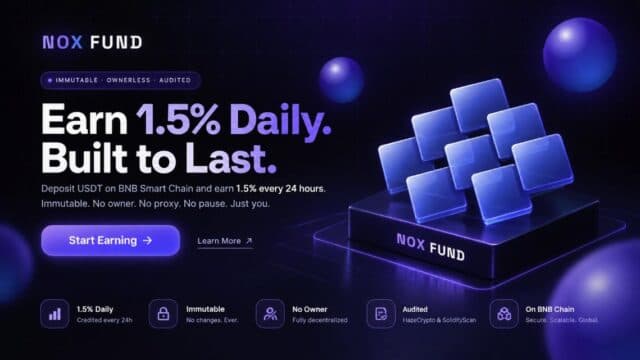
The decentralized finance ecosystem has witnessed an explosion of yield-generating protocols, with some platforms promising extraordinary daily returns that seem too good to be true. Recent projects claiming to offer 1.5% daily returns on stablecoins have attracted significant attention, but these astronomical yields raise critical questions about sustainability, risk, and the fundamental economics of DeFi.
The Mathematics Behind Unsustainable Yield Promises
When evaluating any DeFi yield opportunity, basic mathematics reveals important truths. A protocol offering 1.5% daily returns compounds to approximately 547% annually if reinvested, or 16,425% over three years. These numbers immediately signal unsustainability unless the underlying revenue generation mechanism can match this growth—which no legitimate business model can achieve consistently.
Traditional finance teaches us that risk and return are intrinsically linked. When protocols promise guaranteed high yields without corresponding risk disclosures, investors should immediately question the source of these returns. Legitimate DeFi protocols generate yield through lending, liquidity provision, or protocol fees—mechanisms with transparent, market-driven rates that fluctuate based on supply and demand.
Common Red Flags in High-Yield DeFi Protocols
Several warning signs characterize potentially problematic yield schemes:
- Guaranteed fixed returns: Real DeFi yields fluctuate based on market conditions and protocol usage
- Referral-heavy structures: Multi-level referral systems often indicate pyramid-like economics
- Lock-up periods: Restricting withdrawals creates liquidity mismatches that enable exit scams
- Lack of revenue source transparency: Legitimate protocols clearly explain how they generate yield
- Anonymous teams: Accountability matters in financial services, even decentralized ones
How Legitimate DeFi Yield Generation Works
Sustainable DeFi protocols operate on transparent economic models. Lending protocols like Aave and Compound generate yield by charging borrowers interest, which gets distributed to lenders. The rates fluctuate based on utilization—when more people borrow, lenders earn more. Liquidity pools on decentralized exchanges earn trading fees proportional to volume and liquidity depth.
These mechanisms create natural market equilibriums. If yields become too high, more capital flows in, increasing supply and reducing rates. If yields drop too low, capital exits, decreasing supply and raising rates. This dynamic balancing is absent from protocols promising fixed high returns regardless of market conditions.
The Role of Smart Contract Audits
While smart contract audits are essential for security, they don't validate business models or guarantee sustainability. An audit confirms that code functions as intended and lacks obvious vulnerabilities—it doesn't certify that a protocol's economics are sound or that promised returns are achievable long-term. Investors often conflate technical security with financial sustainability, a dangerous misunderstanding.
Understanding Ponzi Dynamics in DeFi
When protocols lack genuine revenue sources, they often rely on new deposits to pay existing users—the classic Ponzi structure. In DeFi, these schemes can operate longer than traditional Ponzis because:
Smart contracts automate payment distributions, creating an illusion of permanence and reliability. The decentralized nature makes regulatory intervention slower. Crypto's 24/7 global markets enable continuous recruitment. However, mathematical inevitability eventually catches up—when new deposits slow, the system collapses.
Referral-heavy structures particularly indicate Ponzi dynamics. When a protocol pays 20% in referral commissions across multiple levels, these payments must come from somewhere. If they're not generated by actual revenue-producing activities, they're funded by new deposits, making the system unsustainable by design.
Protecting Yourself in DeFi Yield Farming
Responsible DeFi participation requires due diligence and risk management. Before depositing funds into any yield protocol, investors should verify the revenue source, understand fee structures, research the team's background and track record, review multiple independent audits, and start with small test deposits.
Diversification remains crucial even in high-conviction plays. Concentrating capital in a single high-yield protocol, especially one with suspicious characteristics, violates basic risk management principles. At NexCrypto, we emphasize educated decision-making and proper risk assessment for all trading and investment activities.
The Regulatory Landscape
DeFi's regulatory environment continues evolving globally. Many jurisdictions are developing frameworks to address unregistered securities offerings, investor protection, and anti-money laundering compliance in decentralized protocols. Projects offering investment-like returns may face regulatory scrutiny regardless of their decentralized structure or lack of admin keys.
Immutability doesn't equal legality. While smart contracts may be unchangeable once deployed, this doesn't protect developers or promoters from legal liability when their projects function as unregistered securities or operate Ponzi schemes. Several DeFi projects have already faced enforcement actions despite their decentralized claims.
Building Sustainable DeFi Strategies
Successful long-term DeFi participation focuses on understanding protocol fundamentals, accepting market-rate returns rather than chasing unsustainable yields, managing risk through diversification and position sizing, and staying informed about regulatory developments and market conditions.
The most reliable DeFi opportunities often offer modest but sustainable yields—typically ranging from 3-15% annually depending on risk profile. These rates reflect actual economic activity and market conditions rather than marketing promises. While less exciting than 1.5% daily claims, they're backed by real revenue and sustainable business models.
As the cryptocurrency ecosystem matures, distinguishing between legitimate innovation and unsustainable schemes becomes increasingly important. Whether you're exploring DeFi yield opportunities, spot trading, or other crypto activities, thorough research and risk management are essential. For traders seeking reliable market signals and educational resources to navigate this complex landscape, explore our blog for ongoing analysis and insights. Remember that in both traditional and decentralized finance, if something seems too good to be true, it almost certainly is.
Source: Bitcoinist
Ready to Trade Smarter?
Join thousands of traders using AI-powered signals, real-time analytics, and on-chain intelligence to stay ahead of the market.
Start Free — No Credit Card Needed