China Real Estate Crisis: Global Market Implications
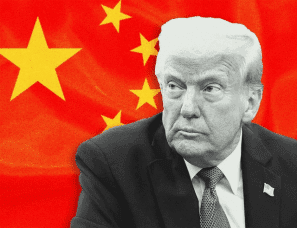
China, long a powerhouse driving global economic growth, now faces a significant challenge within its borders: a deepening real estate crisis. This sector, once a primary engine of the nation's prosperity, is now a source of instability, sending ripples across international markets. As the world's second-largest economy grapples with developer defaults, plummeting property values, and a crisis of confidence, the implications for global trade, commodity prices, and even the geopolitical landscape are profound. Understanding this complex situation is crucial for any investor navigating the intricate web of today's financial markets.
Understanding China's Property Sector Woes
The genesis of China's current real estate predicament can be traced back to years of aggressive expansion fueled by easy credit and speculative investment. Property development became synonymous with wealth creation, leading to an oversupply of housing and a massive build-up of debt. The government's introduction of the "Three Red Lines" policy in 2020, aimed at deleveraging the sector by capping developers' borrowings, inadvertently triggered a liquidity crunch for highly indebted firms.
- Developer Defaults: Giants like Evergrande and Country Garden, once symbols of China's economic might, have defaulted on massive debt obligations, shaking investor confidence and leaving countless unfinished projects.
- Falling Demand and Prices: A combination of demographic shifts, tighter lending, and a general loss of trust has led to a sharp decline in property sales and prices, impacting household wealth and consumer sentiment.
- Local Government Debt: Many local governments relied heavily on land sales for revenue. The property downturn has severely curtailed this income, exacerbating their own debt burdens and limiting their capacity to stimulate the economy.
The sheer scale of the property sector, estimated to account for up to 30% of China's GDP, means that its struggles are not isolated. They permeate through various industries, from construction and materials to banking and consumer spending, creating a significant drag on overall economic performance.
The Debt Mountain and Developer Defaults
The sheer volume of debt accumulated by Chinese developers is staggering. Billions of dollars in both domestic and international bonds have either defaulted or are at high risk. This has not only impacted global bondholders but also local suppliers and contractors, creating a domino effect across the supply chain. The government's measured approach to intervention, prioritizing stability over a full bailout, suggests a long and arduous path to recovery, with potential for further market volatility.
Global Economic Ripple Effects from China's Downturn
Given China's integral role in the global economy, the slowdown in its property sector inevitably sends shockwaves far beyond its borders. The world's factory and a voracious consumer of raw materials, China's struggles translate directly into challenges for other nations.
- Commodity Markets: China is the largest consumer of many key commodities, including iron ore, copper, and crude oil. A downturn in its construction sector directly reduces demand, leading to price declines that impact commodity-exporting nations globally.
- Trade and Supply Chains: Reduced economic activity in China affects global trade volumes. Countries that export goods and services to China, or those deeply embedded in Chinese-centric supply chains, face diminished demand and potential disruptions.
- Investor Sentiment: Concerns over China's stability can trigger broader risk-off sentiment in global financial markets, leading to capital flight from emerging markets and a general increase in market volatility.
The interconnectedness of modern economies means that a significant contraction in China's growth trajectory is a major headwind for global economic expansion, potentially slowing down recovery efforts in other regions.
Commodity Markets and Supply Chains
The impact on commodity markets is particularly acute. For instance, Australia, a major iron ore exporter, feels the direct consequences of reduced steel demand from China's construction sector. Similarly, oil-producing nations face downward pressure on prices due to a slower Chinese economy. Furthermore, complex global supply chains, many of which terminate or originate in China, experience disruptions and reduced throughput, affecting manufacturing and retail sectors worldwide.
Shifting Global Economic Power and the GDP Ratio
One of the most telling indicators of China's economic challenges is the recent shift in its GDP ratio relative to the United States. While China's economy has grown exponentially over the past few decades, narrowing the gap with the US, the current crisis is causing a reversal of this trend. This isn't merely a statistical anomaly; it signifies deeper structural issues and has profound implications for the balance of global economic power.
A shrinking GDP ratio reflects:
- Decelerated Growth: China's growth engine is sputtering, making it harder to catch up or even maintain its previous pace relative to other major economies.
- Currency Weakness: Economic woes often lead to currency depreciation, which can further impact the relative size of an economy when measured in US dollars.
- Investor Reassessment: Global investors may re-evaluate their long-term growth forecasts and investment strategies for China, potentially redirecting capital to other regions or asset classes.
This shift could influence international diplomacy, trade negotiations, and the broader geopolitical landscape, as nations reassess their economic dependencies and alliances.
Navigating Market Volatility with Informed Decisions
For traders and investors, the ongoing developments in China present both significant risks and potential opportunities. Understanding the macroeconomic currents and their likely impact on various asset classes is paramount. The volatility stemming from China's real estate crisis underscores the need for robust market analysis and timely insights.
Key considerations for investors include:
- Diversification: Spreading investments across different geographies and asset classes can mitigate risks associated with overexposure to any single market.
- Sectoral Analysis: Identifying sectors less exposed to Chinese demand or those that might benefit from shifts in global supply chains.
- Macroeconomic Monitoring: Keeping a close watch on key economic indicators from China and its major trading partners to anticipate market movements.
In times of such economic uncertainty, reliable data and predictive signals become invaluable. Platforms that leverage AI to analyze vast amounts of market data can provide a crucial edge, helping traders make more informed decisions.
The unfolding situation in China's real estate sector is a complex, multi-faceted challenge with far-reaching global implications. From commodity markets to international trade and the balance of global economic power, the ripples are undeniable. For investors, staying informed and agile is more critical than ever. Leveraging advanced tools and expert analysis can help decipher market signals amidst the noise. To gain an edge in understanding these intricate market dynamics and receive AI-powered trading signals, consider signing up with NexCrypto. Stay ahead of the curve and make strategic decisions in an ever-evolving global financial landscape.
Source: Crypto Briefing
Ready to Trade Smarter?
Join thousands of traders using AI-powered signals, real-time analytics, and on-chain intelligence to stay ahead of the market.
Start Free — No Credit Card Needed