China's Fiscal Shift: What It Means for Global Markets
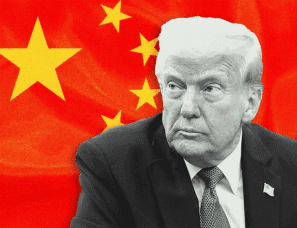
The global economy constantly recalibrates, with major players like China often setting the tone. Recent data from the first quarter of 2024 reveals a significant fiscal shift within the world's second-largest economy: a notable increase in government spending juxtaposed with a sharp decline in land sales revenue. This dynamic creates a complex economic landscape, signaling potential challenges and opportunities that extend far beyond China's borders, impacting everything from commodity prices to investor sentiment in the crypto space. Understanding these underlying currents is crucial for any astute trader or investor navigating today's interconnected financial world.
China's Economic Outlook: A Delicate Balancing Act
China's fiscal health in Q1 2024 presents a nuanced picture. While overall fiscal spending saw a 2.6% year-on-year increase, signaling continued government efforts to stimulate the economy, total fiscal revenue simultaneously dipped by 2.3%. The most striking figure, however, lies in the dramatic 24.4% drop in land sales income. This particular metric is a critical indicator, as local governments across China have historically relied heavily on land sales as a primary source of revenue, funding everything from infrastructure projects to public services.
This decline in land revenue, coupled with persistent challenges in the property sector, places immense pressure on local government finances. The government's ambitious growth targets, typically around 5%, now face a significant hurdle as traditional revenue streams dwindle. This delicate balancing act between stimulating growth and managing fiscal constraints will define China's economic trajectory in the coming quarters, with direct implications for global supply chains, commodity demand, and investment flows.
The Shrinking Lifeline of Land Sales
For decades, China's rapid urbanization and booming property market provided a seemingly endless wellspring of funds for local authorities. Land usage rights were sold to developers, generating substantial income that fueled local economic development and paid down debt. However, the ongoing property market downturn, characterized by developer defaults, housing oversupply, and cautious consumer sentiment, has severely curtailed this vital revenue stream. The 24.4% drop isn't just a statistic; it represents a fundamental shift in the financial foundation of local governance.
This situation forces a re-evaluation of funding mechanisms and project priorities at the local level. Without this traditional income, local governments face difficult choices: cutting spending, seeking greater transfers from the central government, or exploring new, potentially less stable, forms of financing. The ripple effect of this fiscal squeeze can impact everything from new construction projects to the provision of essential public services, potentially dampening internal demand and overall economic activity.
Fiscal Policy Challenges and Local Government Debt
A closer look at the Q1 data reveals a significant divergence: central government revenue saw a modest 2% increase, and its spending rose by a robust 11.1%. In contrast, local government revenue declined by 4.2%, while their spending increased by a mere 1.6%. This disparity underscores the growing financial strain on local administrations and highlights the central government's increasing role in propping up the economy. The central government appears to be taking on more of the fiscal burden, but this doesn't alleviate the underlying issues at the local level.
The accumulation of local government debt, often through off-balance-sheet financing vehicles, has been a long-standing concern for financial stability. With land sales revenue—a key source for servicing this debt—now significantly reduced, the risk of defaults and financial contagion rises. Policymakers are faced with the unenviable task of engineering a soft landing for the property sector while simultaneously shoring up local government finances, a challenge that will require innovative solutions and potentially significant structural reforms. The stability of China's financial system hinges on managing this complex web of debt and revenue shortfalls.
Global Market Ripple Effects and Commodity Demand
China's economic performance is not an isolated event; it sends significant ripple effects across the global economy. As the world's largest consumer of many raw materials, any slowdown in China's growth or shift in its fiscal priorities can profoundly impact global commodity markets. Reduced infrastructure spending or a sustained slump in the property sector could lead to decreased demand for industrial metals like copper and iron ore, as well as energy resources. This would, in turn, affect commodity-exporting nations and global inflation dynamics.
Furthermore, China's role as a manufacturing hub means its economic health influences global supply chains. A slowdown could impact production volumes, shipping costs, and the availability of goods worldwide. Investor sentiment is also highly susceptible to news from China, with concerns about its economy often triggering broader risk-off attitudes in global equity and bond markets. Navigating these interconnected forces requires a keen understanding of macroeconomic indicators and their potential impact on various asset classes.
Navigating Volatility in a Globalized Economy
The interconnectedness of today's financial markets means that macroeconomic shifts originating in one major economy, like China, inevitably create waves of volatility across traditional and digital assets. Periods of uncertainty in global trade, commodity prices, or national fiscal health can lead to rapid price swings in stocks, forex, and even cryptocurrencies. For traders, this volatility can present both significant risks and lucrative opportunities. The key lies in having access to timely, accurate insights and the tools to act on them decisively. Staying informed and utilizing advanced analytical platforms is paramount to thriving in such dynamic environments.
Crypto Investment Implications Amidst Macro Shifts
While often seen as a distinct asset class, the crypto market is not immune to global macroeconomic forces. China's economic shifts can indirectly influence crypto in several ways. If traditional investment avenues within China face increased uncertainty or if the yuan experiences significant fluctuations, some domestic capital might seek refuge in alternative assets, including cryptocurrencies, despite regulatory restrictions. Additionally, a global economic slowdown triggered by China could lead to a broader risk-off sentiment that impacts all speculative assets, including crypto.
Conversely, the decentralized nature of cryptocurrencies and the rise of stablecoins could make them attractive hedges for investors seeking to diversify away from traditional financial systems grappling with sovereign debt issues or currency devaluation concerns. As global economic landscapes continue to evolve, understanding these complex interdependencies becomes vital for making informed crypto investment decisions. For more insights and real-time market analysis, keep an eye on our blog.
The fiscal shifts observed in China during Q1 2024 underscore the ongoing evolution of the global economic landscape. The interplay between increased government spending and declining land sales revenue creates a complex scenario with far-reaching implications for China's internal stability and its impact on international markets, including the dynamic world of cryptocurrencies. For those looking to gain an edge in these turbulent times, exploring how NexCrypto's AI-powered trading signals can provide clarity and insight is essential. Our platform is designed to help you identify trends and make informed decisions amidst macro-economic volatility. Visit NexCrypto today to empower your trading decisions.
Source: Crypto Briefing
Ready to Trade Smarter?
Join thousands of traders using AI-powered signals, real-time analytics, and on-chain intelligence to stay ahead of the market.
Start Free — No Credit Card Needed