China Blocks Meta's AI Acquisition: Security Shakes Tech
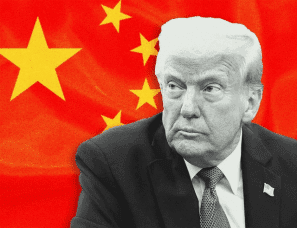
In a move that reverberated across global technology markets, China has reportedly ordered Meta to unwind its significant $2.5 billion acquisition of Manus AI, a leading artificial intelligence company. The directive, rooted in national security concerns, underscores a growing trend of geopolitical scrutiny over cross-border tech deals, particularly those involving advanced AI capabilities. For investors and market watchers, this decision isn't just about a single transaction; it signals a tightening regulatory environment that could reshape how tech giants operate and innovate on an international scale.
China's Stance: National Security Halts AI Acquisition
The core of China's objection to Meta's Manus AI acquisition reportedly stems from its assessment that the deal poses a threat to national security. While specific details of the alleged threats remain undisclosed, such concerns typically revolve around data sovereignty, the potential for technology transfer to foreign entities, and the dual-use nature of advanced AI. Manus AI, known for its cutting-edge work in areas like computer vision and natural language processing, operates in sectors increasingly deemed strategic by governments worldwide. This intervention highlights Beijing's assertive stance on regulating foreign investment in critical technology sectors, setting a precedent that will likely influence future mergers and acquisitions involving Chinese entities or assets.
The order to divest is a powerful statement, forcing Meta to reverse a strategic investment aimed at bolstering its AI capabilities. This isn't merely a financial setback but a significant hurdle in Meta's long-term vision, particularly as it continues to invest heavily in AI and the metaverse. The incident serves as a stark reminder for international corporations that even seemingly commercial transactions can become entangled in complex geopolitical dynamics, especially when involving technologies with potential military or surveillance applications.
Ripple Effect: Global Tech M&A Under Scrutiny
This forced unwinding of an AI acquisition sends a clear message to the broader global tech M&A landscape. Governments worldwide are increasingly viewing technology, especially AI, as a matter of national strategic importance rather than just economic competition. This means that future cross-border tech deals, particularly those involving sensitive data, advanced algorithms, or critical infrastructure, will likely face heightened scrutiny from regulatory bodies across multiple jurisdictions.
- Increased Due Diligence: Companies will need to conduct more rigorous geopolitical and regulatory risk assessments before pursuing international acquisitions.
- Fragmented Innovation: The trend could lead to a more fragmented global tech ecosystem, with companies opting for localized development or partnerships to avoid regulatory roadblocks.
- Valuation Impact: The added regulatory risk might depress valuations for certain tech companies, especially those with significant international exposure or sensitive technologies.
The Meta-Manus AI situation underscores a broader trend where economic globalization is increasingly being challenged by national security concerns, forcing tech companies to navigate a complex web of international regulations and political sensitivities.
The Geopolitics of AI: Data Security and Innovation
At the heart of China's decision lies the escalating geopolitical competition in artificial intelligence. AI is not just a commercial tool; it's a strategic asset for economic growth, national defense, and societal control. Countries are racing to establish dominance in AI, leading to concerns about who controls key technologies, algorithms, and, critically, the vast datasets that fuel AI development. Data security, in particular, has emerged as a paramount concern, with nations enacting stricter laws regarding data localization and cross-border data flows.
Evolving Regulatory Landscape for Tech Giants
The regulatory environment for global tech giants is in constant flux. Beyond China, the European Union, the United States, and other major economies are also tightening their grip on big tech, focusing on antitrust, data privacy, and national security. This creates a challenging operational environment for companies like Meta, which rely on global markets and cross-border data flows for their business models. The Meta-Manus AI case is a prime example of how quickly regulatory hurdles can materialize, disrupting even well-advanced strategic plans. Companies must stay abreast of these shifting policies to avoid costly missteps.
Broader Market Implications for Digital Assets
While this particular event directly impacts traditional tech, the ripple effects can be felt across the broader financial markets, including digital assets. Geopolitical tensions and regulatory crackdowns on major tech players often fuel uncertainty, which can influence investor sentiment in more speculative markets like cryptocurrency. When confidence in global tech collaboration falters, investors may re-evaluate risk exposures across all asset classes. Platforms like NexCrypto, which leverage AI for trading signals, understand that macroeconomic and geopolitical shifts are crucial factors influencing market volatility and direction. Staying informed on these global trends is vital for making strategic trading decisions.
Navigating Future AI Innovation Challenges
For Meta and other tech innovators, this incident presents significant challenges for future AI innovation and expansion. It forces a re-evaluation of how international partnerships are formed and how sensitive technologies are developed and deployed. Companies may need to consider more decentralized or regionally focused AI strategies to mitigate regulatory risks. This could slow the pace of global AI integration but also foster localized innovation hubs. The long-term impact will depend on whether this becomes an isolated incident or part of a broader, sustained effort by nations to ring-fence their technological ecosystems.
The Chinese order for Meta to divest its Manus AI acquisition is a landmark decision, highlighting the intensifying intersection of technology, national security, and geopolitics. It underscores a global shift where critical technologies like AI are increasingly seen as strategic national assets, subject to stringent oversight. For traders and investors navigating volatile markets, understanding these macro-level shifts is crucial. Staying informed and leveraging advanced tools can help you adapt to an ever-changing landscape. Explore how our blog and AI-powered insights at NexCrypto can empower your trading strategy amidst these evolving global dynamics.
Source: Crypto Briefing
Ready to Trade Smarter?
Join thousands of traders using AI-powered signals, real-time analytics, and on-chain intelligence to stay ahead of the market.
Start Free — No Credit Card Needed