Cardano Treasury Rejects $5M Copper Investment Proposal
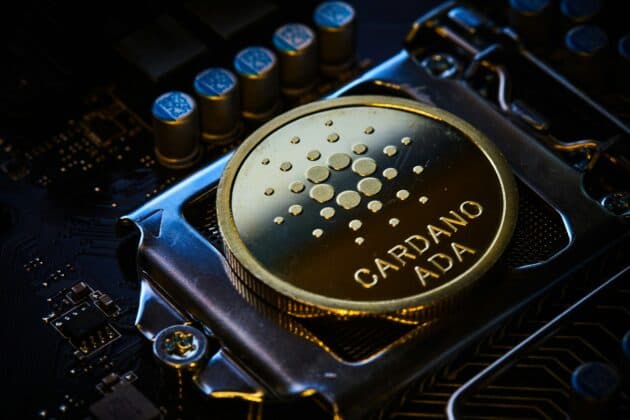
In a decisive move that underscores the Cardano community's cautious approach to treasury management, ADA holders have overwhelmingly rejected an unconventional proposal seeking $5 million to invest in physical copper. The vote, which concluded on November 15, saw opposition outweigh support by a staggering 140 to 1 ratio, marking one of the most lopsided governance decisions in Cardano's history.
The Cardano Copper Reserve Proposal Explained
Toto Finance submitted the ambitious request on October 15, proposing to allocate 22 million ADA from Cardano's treasury for an innovative real-world asset project. The initiative, branded as the Cardano Strategic Copper Reserve, aimed to purchase, store, and tokenize physical copper held in warehouses, creating a bridge between traditional commodities and blockchain technology.
Under Cardano's governance framework, treasury withdrawal proposals must navigate a rigorous approval process involving delegated representatives (DReps) and the Constitutional Committee. To succeed, any proposal needs backing from at least 67% of the active voting stake—a threshold designed to ensure broad community consensus for significant financial decisions.
The Voting Results Were Overwhelmingly Clear
When the voting period closed, the numbers told a stark story. DReps controlling approximately 2.86 billion ADA voted against the copper investment, while a mere 20.02 million ADA supported it. This meant less than 1% of participating stake favored the proposal, representing one of the most decisive rejections in Cardano's governance history.
The Constitutional Committee added another layer of opposition. Three of its seven members formally voted against the proposal's constitutionality, while the remaining four abstained. Without satisfying either governance requirement, the request expired automatically, leaving Cardano's treasury funds intact.
Key Concerns Behind the Rejection
Multiple factors contributed to the community's overwhelming opposition to this tokenized commodity initiative. The dual-asset risk structure emerged as a primary concern, as the investment would expose the treasury to both copper and ADA price volatility simultaneously.
Price Appreciation Requirements: According to Toto Finance's own calculations, copper prices would need to increase by approximately 49% just for the treasury to break even—assuming ADA's dollar value remained stable and the full budget was deployed. This high break-even threshold raised red flags among community members who questioned whether the potential returns justified the substantial risk.
Management Fees and Control Issues
The proposal's fee structure attracted significant scrutiny. Toto Finance stood to receive up to 3.36 million ADA through various arrangements covering technology development, management services, execution, storage, and insurance. This represented roughly 15% of the total requested funding—a proportion that many DReps considered excessive for what amounted to a commodity purchase and storage operation.
DRep John MacPherson, who voted against the measure, articulated concerns shared by many in the community. He highlighted the dual price exposure problem and questioned the substantial allocation to Toto Finance, though he acknowledged the proposal's relative transparency about associated risks. The our blog has previously covered similar governance debates in the cryptocurrency space, where transparency alone doesn't always translate to community approval.
Implications for Cardano Treasury Management
The Cardano Foundation had raised institutional concerns before the vote, particularly regarding fund concentration and the absence of adequate safeguards. These warnings resonated with a community increasingly wary of experimental treasury allocations without proven track records or robust risk management frameworks.
This rejection signals that Cardano holders prefer a conservative approach to treasury investments, especially when proposals involve real-world assets with complex risk profiles. The community appears unwilling to accept initiatives where returns depend on multiple volatile variables or where significant portions of funds flow to management fees rather than direct asset acquisition.
Lessons for Future Real-World Asset Proposals
The failed copper investment highlights several important considerations for future treasury proposals on Cardano and other blockchain platforms. First, dual-asset exposure creates compounding risks that require extraordinary potential returns to justify. Second, management fee structures must demonstrate clear value proposition relative to total investment size. Third, safeguards and control mechanisms need comprehensive documentation before community consideration.
Successful real-world asset integration likely requires simpler structures with clearer risk-reward profiles, stronger institutional partnerships, and more robust collateralization mechanisms. Projects seeking treasury funding should prioritize transparency while also demonstrating how proposed investments align with long-term ecosystem growth rather than experimental commodity trading.
Moving forward, this governance decision reinforces Cardano's commitment to prudent treasury management. While innovation in tokenized assets remains valuable, the community has clearly indicated its preference for calculated risk-taking backed by comprehensive due diligence. For traders and investors seeking professionally managed cryptocurrency opportunities with clear risk parameters, platforms like NexCrypto offer AI-powered signal services that help navigate market volatility without exposing users to experimental treasury proposals.
Source: Bitcoinist
Ready to Trade Smarter?
Join thousands of traders using AI-powered signals, real-time analytics, and on-chain intelligence to stay ahead of the market.
Start Free — No Credit Card Needed