Bulgaria's New Government: Crypto Regulation & Market Impact
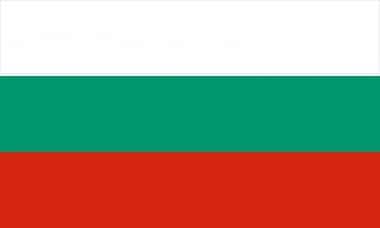
Political shifts, even in nations not typically considered crypto epicenters, can send ripples through the global digital asset landscape. The recent parliamentary majority secured by Rumen Radev’s Progressive Bulgaria coalition marks a significant turning point for the Balkan nation. As a member of the European Union, Bulgaria's governmental changes carry implications not just for its domestic economy, but also for its approach to technology, innovation, and crucially, the burgeoning crypto sector. For investors and enthusiasts alike, understanding how this new political landscape might influence crypto regulation and market dynamics in Bulgaria and beyond is paramount.
Understanding Bulgaria's Political Shift
The ascendancy of a new government, particularly one characterized as 'progressive,' often signals a departure from established norms and an openness to reform. In Bulgaria's context, this could translate into a renewed focus on economic modernization, digital transformation, and closer alignment with broader EU initiatives. While immediate crypto policy might not be at the top of the agenda, a progressive administration is generally expected to foster an environment conducive to technological advancement. This underlying ethos could indirectly benefit the blockchain and crypto ecosystem by promoting digital literacy, supporting innovation hubs, and streamlining bureaucratic processes that often hinder nascent industries.
Historically, Bulgaria has shown a cautious but present interest in digital assets, even being home to some early crypto exchanges. The new government's stance could either accelerate this interest through supportive frameworks or, conversely, introduce stricter oversight in line with broader regulatory trends. The key will be how they balance innovation with consumer protection and financial stability.
The EU Regulatory Landscape and MiCA's Influence
As an integral part of the European Union, Bulgaria's approach to crypto regulation will be heavily influenced by the bloc's landmark Markets in Crypto-Assets (MiCA) regulation. MiCA aims to create a harmonized regulatory framework for crypto-assets across all 27 EU member states, covering issuance, trading, and service provision. This means that while Bulgaria's new government will have some leeway in national implementation and specific domestic laws, the overarching structure for most crypto activities is already being set at the EU level.
MiCA Implementation: National Nuances
Despite MiCA's comprehensive nature, national governments retain the power to introduce additional rules, particularly concerning taxation, anti-money laundering (AML) directives, and specific licensing requirements for non-MiCA-covered activities. A progressive Bulgarian government might choose to interpret MiCA with a pro-innovation lens, seeking to attract blockchain businesses and talent. Alternatively, they might prioritize robust consumer protection measures, potentially leading to stricter national interpretations in certain areas. This national nuance will be critical for businesses looking to operate within Bulgaria's borders.
Potential for Crypto Adoption and Innovation in Bulgaria
A 'progressive' label often implies an openness to new technologies and a drive for digital transformation. This could bode well for crypto adoption and blockchain innovation within Bulgaria. Such a government might actively explore the use of blockchain for public services, land registries, or digital identity, thereby normalizing the technology and potentially fostering a more favorable public perception of cryptocurrencies.
Investment in fintech and blockchain startups could see a boost if the government establishes supportive grant programs or tax incentives. This proactive approach could position Bulgaria as a regional hub for crypto innovation, attracting both domestic and international ventures. Enhanced digital infrastructure and educational initiatives could also contribute to higher rates of crypto literacy and adoption among the general populace.
Blockchain Initiatives and Digital Transformation
Beyond direct crypto regulation, the government's broader digital strategy will impact the ecosystem. Initiatives promoting digital skills, cybersecurity, and e-governance can inadvertently create a more fertile ground for blockchain applications. As citizens become more comfortable with digital interactions and secure online transactions, the leap to utilizing digital assets becomes less daunting. This long-term vision for digital transformation is where a progressive government could truly make its mark on Bulgaria's crypto future.
Navigating Future Bulgaria Crypto Regulation
The evolving regulatory landscape under the new government presents both opportunities and challenges. On one hand, clearer, more consistent regulation could provide much-needed certainty for investors and businesses, fostering growth and reducing risks. On the other hand, increased oversight, while beneficial for stability, could also introduce compliance burdens that smaller entities find challenging to meet. The government's precise approach to areas like DeFi, NFTs, and stablecoins—areas where MiCA still leaves some room for national interpretation—will be closely watched.
For individuals and institutions engaged in digital asset trading, staying informed about these changes will be crucial. Platforms like NexCrypto provide AI-powered insights and signals that can help users navigate market volatility and regulatory shifts, ensuring they are well-positioned regardless of the policy direction. Understanding the local implementation of MiCA and any specific Bulgarian amendments will be key to compliant and successful crypto operations.
Economic Stability and Digital Asset Investment
The overall economic policies of the new Bulgarian government will inevitably influence the local crypto market. Policies promoting economic stability, combating inflation, and encouraging foreign investment could create a more robust environment for digital asset investment. A stable economy often means more disposable income for investment and greater confidence in financial markets, including crypto. Conversely, economic uncertainty or restrictive financial policies could dampen enthusiasm for riskier assets like cryptocurrencies.
Furthermore, the government's stance on fiscal transparency and combating illicit financial activities could impact how international investors perceive Bulgaria's crypto market. A strong commitment to AML/CFT standards, coupled with a progressive regulatory framework, could enhance the country's appeal as a legitimate jurisdiction for crypto-related businesses.
The parliamentary majority secured by Progressive Bulgaria opens a new chapter for the nation, and with it, a fresh perspective on digital assets. While the precise contours of future Bulgaria crypto regulation and adoption remain to be fully defined, the shift towards a potentially more reform-minded government suggests an environment ripe for change. For those looking to capitalize on emerging opportunities or mitigate risks in this evolving landscape, staying informed and leveraging advanced analytical tools is essential. Don't navigate the complex world of crypto alone; empower your trading decisions with NexCrypto's AI-powered signals. Sign up today to gain a competitive edge and explore the latest market insights on our blog.
Source: Crypto Briefing
Ready to Trade Smarter?
Join thousands of traders using AI-powered signals, real-time analytics, and on-chain intelligence to stay ahead of the market.
Start Free — No Credit Card Needed