Bulgaria Crypto Policy: Election Impact & EU Regulation
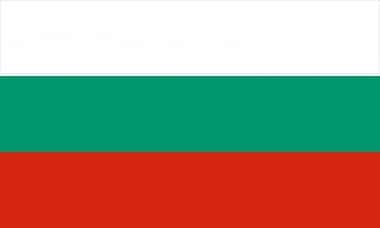
The political landscape in Bulgaria has recently seen significant shifts, with a new coalition emerging victorious from the latest general election. While national elections might seem far removed from the daily volatility of Bitcoin or Ethereum, for astute crypto traders and investors, these political developments in European Union member states can signal crucial shifts in regulatory environments, economic stability, and ultimately, market sentiment. As a key player in the Balkans and the EU, Bulgaria’s governmental direction can have ripple effects on how digital assets are perceived, regulated, and adopted within its borders and potentially across the broader European financial ecosystem.
Understanding Bulgaria's Evolving Crypto Stance
The outcome of Bulgaria's recent election, leading to a new ruling coalition, brings with it a fresh set of priorities and potential policy directions. For the crypto community, the focus immediately shifts to how this new administration might approach digital assets. Historically, Bulgaria has had a somewhat cautious but evolving relationship with cryptocurrency. While not a major global crypto hub, its status as an EU member means it must align with overarching European directives. The new government's stance—whether pro-innovation, strictly regulatory, or somewhere in between—will be critical in shaping the local crypto environment.
- Regulatory Clarity: A stable government can provide the necessary framework for clearer crypto regulations, reducing uncertainty for businesses and investors.
- Economic Priorities: The new coalition's economic agenda could impact foreign investment, technological adoption, and the overall appeal of Bulgaria as a place for crypto enterprises.
- Technological Adoption: A forward-thinking government might foster blockchain innovation, digital payments, and the integration of crypto into mainstream finance.
These internal political dynamics are essential to monitor, as they lay the groundwork for how international regulatory mandates are implemented at a national level, directly influencing the operational landscape for crypto businesses and the investment climate for traders.
Navigating EU Crypto Regulation: Bulgaria's Role
As a member of the European Union, Bulgaria is not an isolated actor in the global crypto space. It is directly subject to the comprehensive regulatory frameworks being developed and implemented across the EU, most notably the Markets in Crypto-Assets (MiCA) regulation and the Digital Operational Resilience Act (DORA). MiCA, in particular, aims to provide a harmonized legal framework for crypto-assets not covered by existing financial services legislation, offering consumer protection and market integrity across all member states.
Bulgaria's new government will be responsible for transposing these EU-wide regulations into national law. The speed and specific interpretation of this transposition can vary, influencing how crypto-asset service providers (CASPs) operate within the country. A government keen on attracting tech investment might adopt a more facilitative approach, while one prioritizing strict oversight might implement more stringent national rules within the MiCA framework. Understanding these nuances is vital for anyone trading or investing in the region. The political stability that a new coalition brings could accelerate the implementation of these crucial EU directives, providing much-needed clarity for the market.
Market Implications for Crypto Trading
For crypto traders, political stability and regulatory clarity translate directly into market confidence. Uncertainty, conversely, often leads to volatility and hesitancy. A newly formed, stable government in Bulgaria, particularly one that articulates a clear and progressive stance on digital assets, could potentially:
- Boost Local Investment: Attract more domestic and foreign investment into Bulgarian crypto projects and companies.
- Enhance Market Liquidity: Increased confidence and participation can lead to higher trading volumes and liquidity for crypto assets.
- Influence Regional Trends: Bulgaria's approach could set a precedent or influence neighboring countries in the Balkans, creating broader regional market shifts.
Conversely, political instability or an unclear regulatory roadmap could deter investment and contribute to market stagnation. Traders on platforms like NexCrypto understand that macroeconomic and geopolitical factors are just as crucial as technical analysis. Keeping an eye on these developments allows for a more holistic trading strategy, anticipating potential shifts in sentiment and capital flows.
Leveraging AI for Informed Trading Decisions
In an environment shaped by evolving political and regulatory landscapes, relying solely on traditional analysis can be challenging. This is where advanced AI-powered trading signal platforms become indispensable. Tools like NexCrypto utilize sophisticated algorithms to analyze vast amounts of data, including market trends, news sentiment, and technical indicators, to provide timely and accurate trading signals. When political events like elections occur, these platforms can quickly process the potential market impact, offering insights that human analysts might take longer to discern. This capability empowers traders to react swiftly to new information, whether it signals an opportunity or a risk related to new Bulgaria crypto policy or broader EU developments.
The Future of Digital Assets in the Balkans
Bulgaria's trajectory in crypto regulation and adoption will inevitably influence the broader Balkan region. As a gateway between Eastern and Western Europe, its policies can have a ripple effect, potentially encouraging other non-EU Balkan states to develop their own crypto frameworks or align more closely with EU standards. A progressive approach could position Bulgaria as a leader in digital asset innovation within the region, attracting talent and investment.
Regional Adoption and Innovation
The Balkans have shown increasing interest in blockchain technology and cryptocurrencies, driven by a young, tech-savvy population and a desire for financial innovation. If Bulgaria embraces a clear, supportive regulatory framework under its new government, it could:
- Foster cross-border crypto initiatives.
- Encourage the development of regional blockchain hubs.
- Facilitate easier access to digital financial services for citizens across the Balkans.
This long-term view is crucial for investors looking beyond short-term gains, identifying regions poised for significant growth in the digital asset space.
The recent election in Bulgaria, leading to a new ruling coalition, marks a significant moment that could shape the nation's economic and regulatory future, including its stance on digital assets. For crypto traders and investors, understanding these political shifts and their potential impact on Bulgaria crypto policy and EU regulation is paramount. Staying informed and leveraging advanced tools like NexCrypto's AI-powered trading signals can provide a crucial edge in navigating these evolving market dynamics. Don't get left behind; empower your trading decisions by signing up for NexCrypto today and explore more insights on our blog.
Source: Crypto Briefing
Ready to Trade Smarter?
Join thousands of traders using AI-powered signals, real-time analytics, and on-chain intelligence to stay ahead of the market.
Start Free — No Credit Card Needed