Bithumb Under Regulatory Spotlight: Potential Six-Month Suspension Rocks South Korean Crypto Market
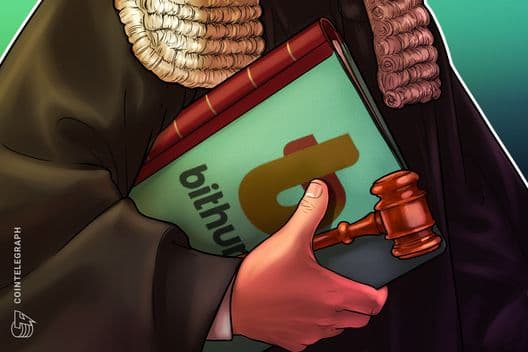
Bithumb Under Regulatory Spotlight: Potential Six-Month Suspension Rocks South Korean Crypto Market
The cryptocurrency world is no stranger to regulatory challenges, but when a major player like Bithumb, one of South Korea's largest exchanges, faces a potential partial suspension, it sends ripples across the market. Recent reports indicate that Bithumb could be hit with a six-month ban on new customer registrations and certain foreign transactions, a move stemming from alleged shortcomings in its Anti-Money Laundering (AML) and Know Your Customer (KYC) compliance.
For traders relying on robust, compliant platforms, this development serves as a stark reminder of the evolving regulatory landscape and the critical importance of choosing exchanges with impeccable operational standards. NexCrypto is here to break down what this means for you.
The FIU's Scrutiny: A Deeper Dive into Compliance Failures
The potential penalty against Bithumb originates from the Financial Intelligence Unit (FIU), a division of South Korea's Financial Services Commission (FSC). The FIU is tasked with overseeing financial institutions' adherence to anti-money laundering and counter-terrorist financing regulations. Their investigation into Bithumb reportedly uncovered several deficiencies, particularly concerning the exchange's ability to effectively monitor and report suspicious transactions, as well as its procedures for verifying customer identities.
While the specifics of Bithumb's alleged non-compliance remain under wraps, the proposed six-month partial suspension is a significant measure. It would primarily impact:
- New Customer Onboarding: Bithumb would be unable to register new users, potentially stifling its growth and market share during the suspension period.
- Foreign Transactions: There are indications that the suspension could also restrict certain foreign accounts or withdrawal services, adding complexity for international users or those engaged in cross-border trading.
This isn't an isolated incident; South Korean regulators have been progressively tightening their grip on the crypto sector, demanding higher levels of transparency and accountability from exchanges operating within their jurisdiction.
Why AML and KYC are Non-Negotiable
For many crypto enthusiasts, AML and KYC checks can feel like an inconvenience, an obstacle to the decentralized ethos of cryptocurrency. However, from a regulatory standpoint, they are foundational pillars for preventing illicit activities such as money laundering, terrorist financing, and fraud. Robust AML/KYC protocols are designed to:
- Protect Investors: By ensuring legitimate funds are used and preventing scams.
- Maintain Financial Integrity: Integrating crypto into the broader financial system requires adherence to global standards.
- Combat Illicit Finance: Stopping criminals from exploiting crypto for illegal purposes.
Exchanges that fail to meet these standards not only risk severe penalties but also undermine trust in the entire digital asset ecosystem. The FIU's action against Bithumb underscores a global trend where regulators are no longer treating crypto exchanges as fringe entities but as integral parts of the financial system, subject to the same stringent rules as traditional banks.
Ripple Effects: What This Means for Traders and the Market
The prospect of Bithumb's partial suspension carries several implications:
For Bithumb Users:
- Uncertainty and Disruption: Existing users might face apprehension regarding their assets and future trading capabilities, especially if the scope of the suspension extends beyond new registrations.
- Potential for Migration: Some users, particularly those seeking uninterrupted service or new trading opportunities, might consider migrating to other compliant exchanges.
For the South Korean Crypto Market:
- Market Volatility: News of regulatory crackdowns often introduces short-term volatility as traders react to perceived risks.
- Consolidation: Smaller or less compliant exchanges might face increased pressure, potentially leading to market consolidation around a few highly regulated platforms.
- Enhanced Due Diligence: This incident will likely prompt other South Korean exchanges to re-evaluate and strengthen their own compliance frameworks to avoid similar fates.
Broader Global Implications:
- Regulatory Precedent: South Korea's firm stance can serve as a precedent for other nations grappling with how to regulate their burgeoning crypto markets.
- Focus on Compliance: It reinforces the narrative that regulatory compliance is no longer optional but a fundamental requirement for the long-term viability and mainstream adoption of cryptocurrencies.
Navigating the Regulatory Tides: Advice for Traders
In an environment where regulatory actions can significantly impact market dynamics, it's crucial for traders to be informed and strategic:
- Choose Reputable Exchanges: Prioritize exchanges with a proven track record of regulatory compliance, strong security measures, and transparent operations.
- Stay Informed: Keep abreast of regulatory news and developments in key crypto markets, as these often precede significant market movements.
- Diversify Your Portfolio and Platforms: Avoid concentrating all your assets on a single exchange. Diversifying across multiple reputable platforms can mitigate risks associated with exchange-specific issues.
- Understand Local Regulations: Be aware of the specific AML/KYC requirements and other crypto regulations in your jurisdiction and those where your chosen exchanges operate.
Conclusion: A Defining Moment for Compliance
The potential partial suspension of Bithumb is more than just a headline; it's a defining moment for regulatory compliance in the cryptocurrency space. It underscores the unwavering commitment of financial authorities to integrate digital assets into a regulated framework, ensuring investor protection and combating illicit financial activities. For NexCrypto users, this situation highlights the critical need for vigilance, due diligence, and a strategic approach to trading in an increasingly regulated environment. As the crypto market matures, compliance will undoubtedly remain at the forefront, shaping the future of digital asset exchanges globally.
Source: CoinTelegraph
Ready to Trade Smarter?
Join thousands of traders using AI-powered signals, real-time analytics, and on-chain intelligence to stay ahead of the market.
Start Free — No Credit Card Needed