Beyond the Block: How Bitcoin Miners Are Fueling the AI Revolution and What It Means for Your Portfolio
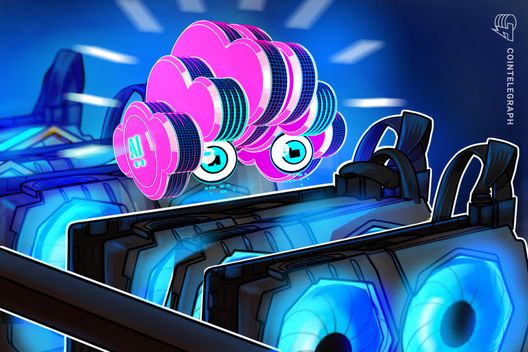
The Evolving Landscape of Bitcoin Mining: A Strategic Pivot
The world of Bitcoin mining, once characterized by single-minded focus on block rewards and transaction fees, is undergoing a profound transformation. As the industry matures and faces new challenges like the halving events and rising energy costs, leading mining companies are expanding their horizons. The new frontier? Artificial Intelligence (AI) and High-Performance Computing (HPC).
This strategic pivot isn't merely a minor adjustment; it represents a fundamental re-evaluation of business models, leveraging existing infrastructure and expertise to tap into the booming demand for computational power beyond just cryptographic hashing. For crypto traders and investors, understanding this shift is crucial, as it could significantly impact the valuation of mining stocks, market dynamics, and even the broader perception of the digital asset industry.
Why the Shift? Drivers Behind Miner Diversification
Several compelling factors are pushing Bitcoin miners to look beyond their traditional operations:
-
Post-Halving Revenue Pressures
Bitcoin's halving events, which reduce the block reward by 50% approximately every four years, inherently squeeze profit margins. To maintain profitability and growth, miners must either become significantly more efficient or find alternative revenue streams. AI and HPC offer a path to higher-margin services that are less directly tied to Bitcoin's issuance schedule.
-
Infrastructure Leverage
Bitcoin mining requires massive data center infrastructure, robust power grids, and sophisticated cooling systems. This infrastructure, while optimized for SHA-256 hashing, can be adapted or expanded to support GPU-intensive AI and HPC workloads. Miners are realizing they've built formidable computing facilities that have value beyond just crypto.
-
Energy Arbitrage and Stability
Many miners have secured access to cheap, often renewable, energy sources. By diversifying into AI/HPC, they can utilize this energy infrastructure for a broader range of computational services, potentially reducing reliance on Bitcoin price volatility and achieving more stable, predictable revenue streams.
-
The AI Boom
The explosive growth of AI applications, from machine learning to large language models, has created an insatiable demand for computational resources. Miners are uniquely positioned to meet some of this demand, transforming from pure crypto plays into critical infrastructure providers for the next generation of technology.
From Hash Rate to High Performance: What Does AI/HPC Integration Look Like?
The integration of AI and HPC capabilities involves more than just a simple flip of a switch. It typically includes:
-
GPU Farm Development: While Bitcoin mining uses ASICs (Application-Specific Integrated Circuits), AI/HPC often relies on powerful GPUs. Miners are investing in new GPU-based hardware alongside or in addition to their existing ASIC fleets.
-
Data Center Transformation: Existing data centers are being upgraded to handle the different power, cooling, and networking requirements of AI/HPC workloads.
-
Strategic Partnerships: Collaboration with AI developers, research institutions, and cloud providers is essential to secure clients and optimize infrastructure for specific computing tasks.
-
Software and Service Layer: Beyond raw compute, miners are developing the software and service layers necessary to offer HPC-as-a-Service, catering to diverse client needs.
Marathon Digital (MARA) and the Bitcoin Balance Sheet Question
Marathon Digital, a prominent player in the Bitcoin mining space, stands out as a prime example of this diversification trend. While specific details often emerge through company announcements, the broader industry expectation is that such pivots require significant capital investment. This brings up the strategic question of how these ventures are funded.
One potential funding mechanism for miners looking to invest heavily in AI/HPC infrastructure is the strategic management of their Bitcoin holdings. Historically, many miners have held onto a significant portion of the Bitcoin they mine, viewing it as a long-term asset. However, to fuel capital-intensive AI and HPC projects, some may consider:
-
Partial Bitcoin Sales: Selling a portion of their accumulated Bitcoin reserves could provide immediate capital without incurring debt or diluting equity.
-
Bitcoin-Backed Loans: Using Bitcoin as collateral for loans could also fund expansion while retaining exposure to Bitcoin's price appreciation.
-
Optimized Treasury Management: Developing more dynamic treasury strategies that balance Bitcoin accumulation with operational and expansion capital needs.
Such moves, if implemented by major miners like Marathon, could introduce temporary selling pressure on Bitcoin, but are often viewed by analysts as a responsible and strategic way to diversify and strengthen the company's long-term financial health and revenue potential.
Implications for Crypto Traders and Investors
This strategic shift by Bitcoin miners has several key implications for the trading community:
-
Miner Stock Re-rating: Companies successfully executing this pivot may see their stock valuations shift from being solely Bitcoin proxies to being valued as diversified technology infrastructure providers. This could lead to lower volatility and potentially higher, more stable growth trajectories.
-
New Investment Narratives: The narrative around mining stocks will broaden, attracting a wider range of institutional and retail investors interested in both crypto and AI/HPC sectors.
-
Bitcoin Market Dynamics: While strategic Bitcoin sales by miners could create short-term supply, the long-term health and diversification of the mining ecosystem could be seen as a positive for Bitcoin's overall stability and adoption.
-
Sector Differentiation: Traders will need to differentiate between pure-play Bitcoin miners and those actively diversifying. This will require deeper due diligence into company roadmaps and financial reporting.
The Future is Hybrid: Mining for More Than Just Bitcoin
The transformation of Bitcoin mining companies into hybrid crypto and AI/HPC powerhouses signifies a maturation of the industry. It demonstrates a proactive approach to evolving market conditions and a keen eye on emerging technological opportunities. For investors, this creates a more complex but potentially more rewarding landscape, where the synergy between decentralized finance and cutting-edge computing infrastructure is becoming increasingly apparent. Keep a close watch on these developments, as they are not just shaping the future of mining, but the future of digital infrastructure itself.
Ready to Trade Smarter?
Join thousands of traders using AI-powered signals, real-time analytics, and on-chain intelligence to stay ahead of the market.
Start Free — No Credit Card Needed